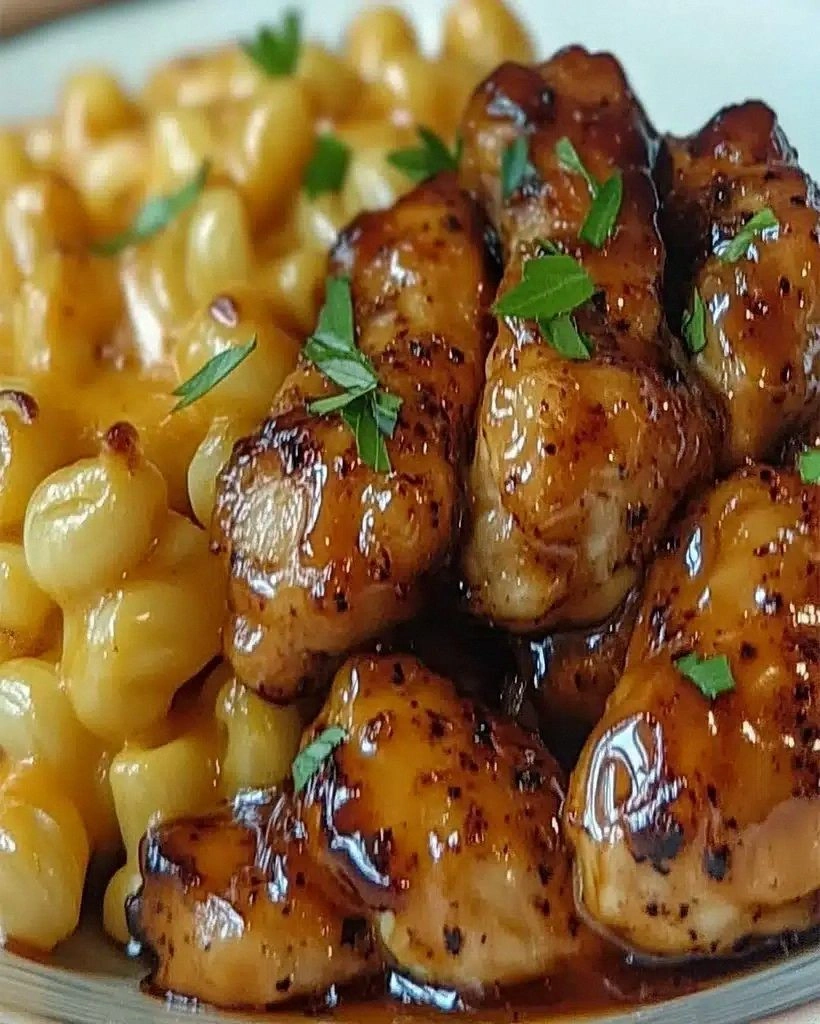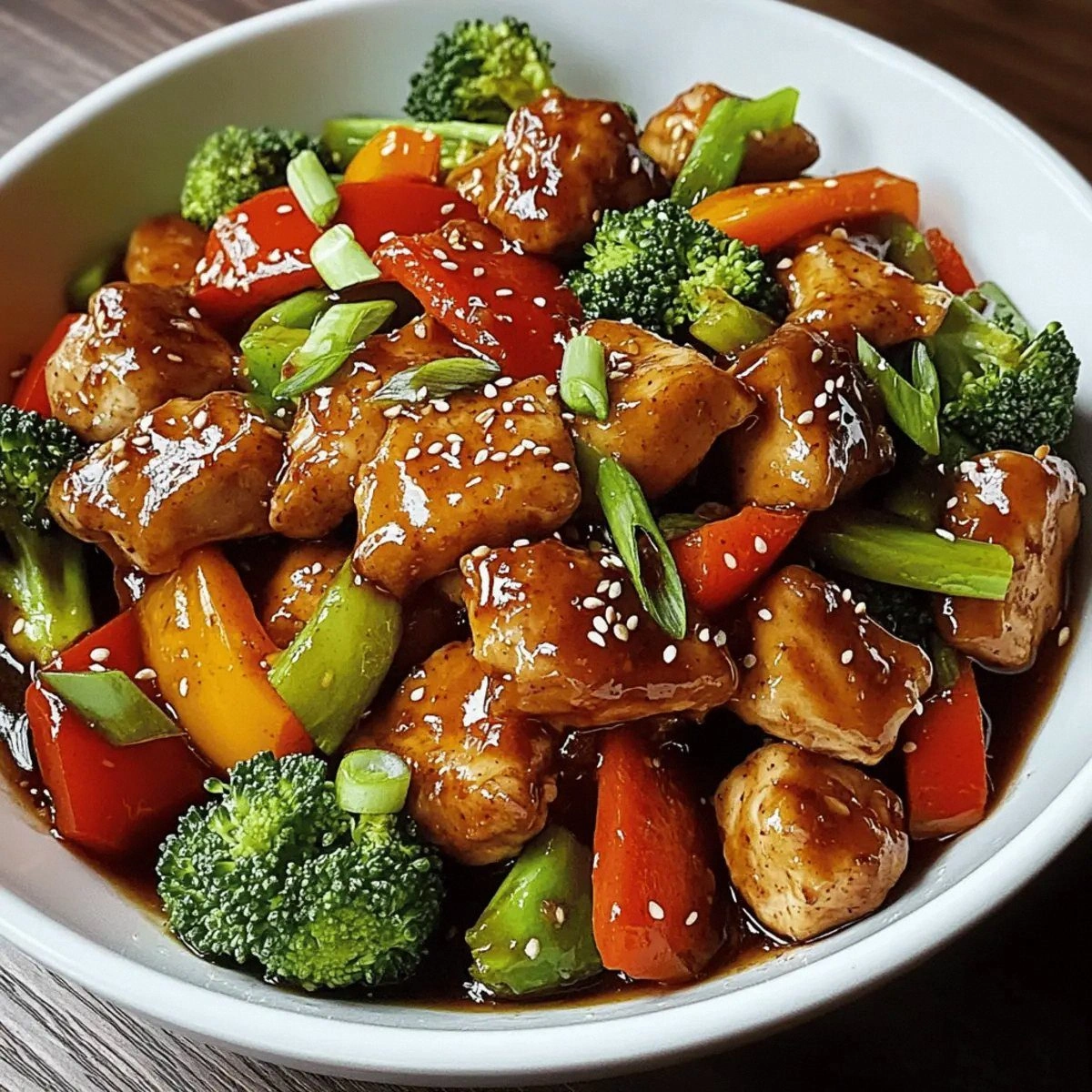
I still remember the night I ruined three different chicken dishes in a row. The first was dry as cardboard, the second tasted like soy sauce soup, and the third? Let's just say the smoke alarm got more dinner than I did. My roommate walked in, took one look at the carnage, and dared me to make something that actually tasted good. Challenge accepted. Twenty attempts later, I cracked the code to the most addictive honey garlic stir-fry that'll ever hit your lips. This isn't just another weeknight recipe — it's the one that made my neighbors knock on the door asking what smelled so incredible. The sauce clings to each piece of chicken like liquid gold, creating those caramelized edges that shatter between your teeth while the inside stays impossibly juicy. Picture yourself pulling this out of the wok, the whole kitchen filling with that intoxicating sweet-garlic aroma that makes everyone suddenly appear in the doorway asking when dinner's ready. The best part? You'll nail it on the first try, even if you've never held a wok before. I dare you to taste this and not go back for seconds — I ate half the batch straight from the pan before my girlfriend even got home. Let me walk you through every single step — by the end, you'll wonder how you ever made it any other way.
This recipe was born from pure frustration with every bland, overly-sweet version I'd tried at restaurants. You know the type — cloying, one-dimensional, leaving you feeling like you just ate candy for dinner. Most recipes get this completely wrong. They dump in honey, add some garlic, and call it a day. Here's what actually works: layering flavors like building a symphony, timing each addition so the garlic doesn't burn, and using cornstarch to create that glossy, restaurant-quality sheen that makes the sauce cling instead of pool. The magic happens when the honey caramelizes just enough to develop those complex, almost smoky notes, while the rice vinegar cuts through with brightness. Stay with me here — this is worth it. I've tested this on picky kids, health-conscious friends, and my Chinese mother-in-law who claims nothing ever tastes as good as her cooking. They all licked their plates clean.
What sets this apart starts with the technique. We're not just throwing everything in a pan and hoping for the best. Nope. We're building flavor in stages, letting each ingredient reach its full potential. The chicken gets a quick sear that locks in juices, then we remove it to prevent overcooking while we work our sauce magic. The vegetables keep their snap and color, adding texture against the tender meat. And that sauce? It reduces down to this sticky, shiny coating that's neither too sweet nor too savory — it's the perfect balance that makes your taste buds dance. Okay, ready for the game-changer? We're using the cornstarch slurry technique that Chinese restaurants have been keeping secret forever. This creates that velvety texture that makes every bite feel luxurious.
I tested this recipe through the worst possible scenarios — cheap chicken, old garlic, honey that had crystallized in the back of my pantry. It still worked. That's how forgiving and foolproof this method is. But when you use quality ingredients? Pure magic. The kind of magic that has you standing over the stove, "tasting" until half the food disappears. I'll be honest — I ate half the batch before anyone else got to try it. The combination of sweet honey, pungent garlic, and that kick from red pepper flakes creates an addiction that's impossible to resist. If you've ever struggled with stir-fry that turns out watery, bland, or overcooked, you're not alone — and I've got the fix.
What Makes This Version Stand Out
- Taste Bomb: The sauce hits every note — sweet, salty, tangy, umami, with just enough heat to keep things interesting. It's not just honey and garlic thrown together; it's a carefully orchestrated balance that makes each bite more addictive than the last.
- Texture Heaven: Tender chicken pieces with crispy edges, vegetables that retain their crunch, all coated in that glossy, sticky sauce that somehow manages to be both light and rich at the same time.
- Weeknight Warrior: From fridge to table in under 45 minutes, including prep time. Most of that is hands-off cooking time, giving you space to set the table or help with homework.
- Ingredient Genius: Uses pantry staples you probably already have, but combines them in a way that makes familiar ingredients taste completely new and exciting.
- Crowd Control: Kids love the sweetness, adults appreciate the complexity, and everyone fights over the last piece. I've seen people who "don't like vegetables" devour entire bell peppers in this dish.
- Meal Prep Champion: Tastes even better the next day, reheats beautifully, and makes incredible leftovers for lunch that'll make your coworkers jealous.
- Technique Triumph: Uses restaurant methods that sound fancy but are actually simple once you know the secret — like velveting the chicken and creating that perfect cornstarch slurry.
Alright, let's break down exactly what goes into this masterpiece. Each ingredient pulls its weight, and I'm going to show you exactly why skipping even one changes the entire outcome.
Inside the Ingredient List
The Flavor Foundation
Chicken breasts get a bad rap for being boring, but here's the thing — when you cut them properly and cook them right, they become little flavor sponges that soak up every drop of that incredible sauce. The key is slicing against the grain into bite-sized pieces that cook quickly and stay tender. Don't go for those massive chunks you see in takeout; smaller pieces mean more surface area for our sauce to cling to. The vegetable oil isn't just any oil — we need something with a high smoke point that can handle the heat without burning. Canola or peanut oil works great, but avoid olive oil here because it can't take the high heat we need for proper stir-frying.
Garlic is the backbone of this dish, and fresh is non-negotiable. Those pre-minced jars taste like disappointment and won't give you that pungent, almost spicy kick that fresh garlic brings. Mince it yourself — it takes thirty seconds and makes all the difference. The honey isn't just sweetener; it's the glaze that creates those sticky, caramelized edges. Go for a good quality honey, not the cheap stuff that's mostly corn syrup. Your taste buds will thank you, and the complex flavors will shine through instead of just tasting like sugar.
The Umami Bombs
Soy sauce brings the salt and umami depth that makes this taste like restaurant food. Don't you dare use low-sodium for this — we need that salt to balance the honey's sweetness. The rice vinegar adds brightness that cuts through the richness, preventing the dish from becoming cloying. It's what makes you want another bite instead of feeling like you need to brush your teeth. If you only have regular vinegar, you can substitute but add a bit less — rice vinegar is milder and more delicate.
The cornstarch is our secret weapon for creating that glossy, restaurant-quality sauce that clings instead of pooling at the bottom. Mixed with water to create a slurry, it thickens the sauce to the perfect consistency. Skip this and you'll have watery sauce that slides off everything. Trust me, I've made this mistake and ended up with chicken sitting in a puddle of disappointment.
The Texture Crew
Bell peppers aren't just colorful additions — they bring a fresh, slightly bitter note that balances all that sweetness. Plus, they stay crisp if you don't overcook them. I like using red and yellow for the visual appeal, but green works if that's what you have. The key is cutting them into pieces that are similar in size to your chicken so everything cooks evenly. Broccoli adds that earthy, green flavor and holds up beautifully to stir-frying. Don't throw away the stems — peel them and slice thinly for extra crunch and zero waste.
Carrots bring sweetness that complements the honey while adding gorgeous color. Slice them thin on the bias so they cook quickly and look professional. Red pepper flakes give us that gentle heat that builds slowly instead of punching you in the face. It's optional but highly recommended — even my spice-averse friends love the subtle warmth it adds.
The Final Flourish
Green onions add freshness and that restaurant-quality finish. Add them at the very end so they stay bright and crisp. The green parts are milder and prettier as garnish, while the white parts have more bite. Sesame seeds aren't just for show — they add nuttiness and texture that takes this from good to great. Toast them briefly in a dry pan for maximum flavor, but watch closely because they burn fast.
Everything's prepped? Good. Let's get into the real action...
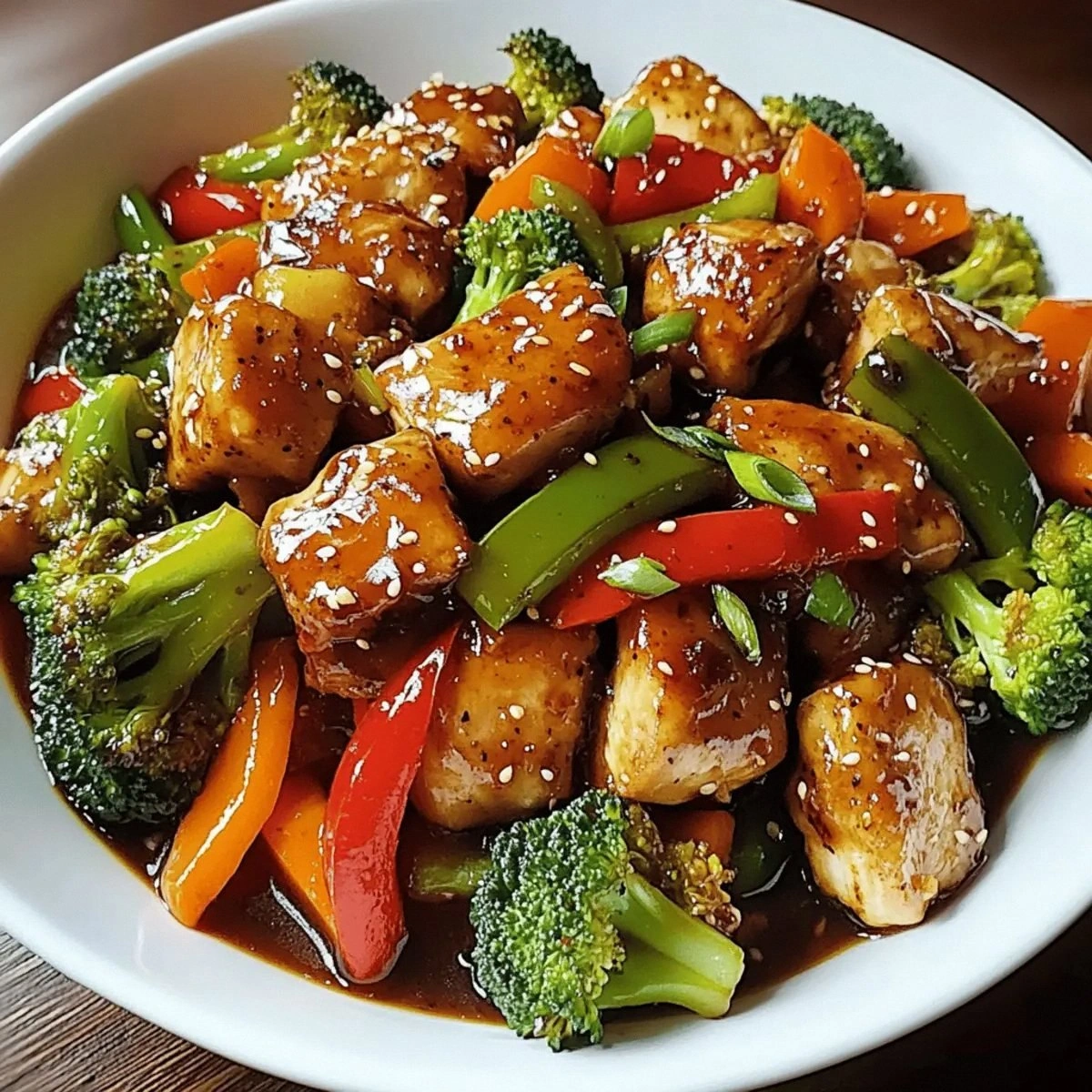
The Method — Step by Step
- Start by cutting your chicken breasts into bite-sized pieces, about 3/4 inch cubes. This isn't the time for perfection — just aim for consistency so everything cooks evenly. Pat them dry with paper towels because moisture is the enemy of browning. Season generously with salt and pepper, tossing to coat every piece. Let them sit while you prep everything else — this brief rest helps the seasoning penetrate beyond the surface.
- Whisk together the honey, soy sauce, and rice vinegar in a small bowl. This is your sauce base, and tasting it now helps you understand the balance we're building. It should taste too salty and too sweet — that's perfect because it'll concentrate and mellow as it cooks. Set this near the stove because you'll need it quickly once we start. Mix your cornstarch with the water in a separate tiny bowl, stirring until completely smooth with no lumps.
- Heat your wok or largest skillet over high heat until it starts to smoke. This next part? Pure magic. Add the oil and swirl to coat — it should shimmer and move like water. Immediately add the chicken in a single layer. Don't crowd the pan or you'll steam instead of sear. Let it cook undisturbed for 2 minutes. That sizzle when it hits the pan? Absolute perfection.
- After 2 minutes, flip the chicken pieces — they should release easily and have gorgeous golden-brown spots. If they're sticking, they're not ready yet. Cook another 2 minutes on the second side, then remove to a plate. They won't be fully cooked through yet, and that's intentional. They'll finish cooking later in the sauce, preventing the rubbery, overcooked texture that ruins so many stir-fries.
- Reduce heat to medium and add a touch more oil if the pan looks dry. Add the minced garlic and red pepper flakes, stirring constantly for just 30 seconds. Watch this part closely — garlic goes from fragrant to bitter and burnt in seconds. It should smell intoxicating and look lightly golden. If it starts browning too fast, pull the pan off the heat immediately.
- Pour in your sauce mixture — it'll bubble up dramatically, which is exactly what we want. Use a wooden spoon to scrape up all those beautiful browned bits from the chicken. These fond bits are flavor gold. Let the sauce simmer for about a minute to concentrate slightly. The color should deepen to a rich amber.
- Add all your vegetables at once — bell peppers, broccoli, and carrots. Toss them in the sauce, coating everything evenly. They should sizzle but not steam. Cook for 3-4 minutes, stirring frequently, until they're crisp-tender. The broccoli will turn bright green, the peppers should stay vibrant, and the carrots will soften slightly while keeping their bite.
- Return the chicken to the pan along with any juices from the plate. Toss everything together, then push the food to the sides, creating a well in the center. Give your cornstarch slurry another stir (it settles fast) and pour it into the center. The sauce will immediately thicken and turn glossy. Stir everything together — it should coat every piece with that sticky, shiny glaze.
- Cook for another 2 minutes, tossing constantly, until the chicken is cooked through and the sauce reaches that perfect consistency. You'll know it's ready when you can drag your spoon through and the trail holds for a few seconds before filling in. Remove from heat immediately — overcooking at this stage leads to sad, dry chicken.
- Sprinkle with green onions and sesame seeds, giving everything one final toss. Serve it up hot over rice, noodles, or straight from the pan (no judgment here). The sauce will continue to thicken slightly as it cools, so don't worry if it seems a bit loose at first. That's it — you did it. But hold on, I've got a few more tricks that'll take this to another level...
Insider Tricks for Flawless Results
The Temperature Rule Nobody Follows
Here is where most home cooks mess up stir-fry — they don't get their pan hot enough. I'm talking smoking hot. If you add oil and it doesn't immediately shimmer and move like liquid mercury, your pan isn't ready. This high heat creates the Maillard reaction that gives us those gorgeous caramelized edges on the chicken. But here's the catch — once you add the garlic, you need to drop the temperature or it'll burn. It's a dance between hot enough to sear and cool enough to prevent bitterness. A friend tried skipping this step once — let's just say it didn't end well. Her garlic turned acrid and bitter, ruining the entire dish.
Why Your Nose Knows Best
Your sense of smell is your best kitchen timer for this recipe. When the garlic hits the oil, you should immediately smell its pungent aroma. If you don't, your pan isn't hot enough. When the sauce reduces, you'll notice the smell changes from sharp and vinegary to rich and complex. That's when you know it's concentrating properly. And the final moment of truth? When everything comes together, the smell should make you involuntarily close your eyes and take a deep breath. If you're not fighting the urge to taste straight from the pan, something's wrong.
The 5-Minute Rest That Changes Everything
After cooking, let your stir-fry rest for just 5 minutes before serving. This isn't about letting meat juices redistribute — it's about letting the sauce thicken to the perfect consistency and allowing flavors to meld. The sauce will continue to set slightly as it cools, transforming from loose to that perfect clingy texture. Plus, this brief pause gives you time to plate your rice or noodles, ensuring everything hits the table at the optimal temperature. Those five minutes feel like an eternity when you're hungry, but they're the difference between good and restaurant-quality.
The Cutting Technique That Makes or Breaks It
How you cut your vegetables matters more than you'd think. Cut bell peppers into squares roughly the same size as your chicken pieces — this ensures even cooking and perfect bites. Slice carrots on the bias (diagonally) rather than into rounds — they look more professional, cook faster, and create better texture. Keep broccoli florets small enough to eat in one bite but large enough to stay crisp. Uniform size isn't about aesthetics; it's about ensuring everything finishes cooking at the same time. Nothing ruins a stir-fry like crunchy carrots and mushy peppers in the same bite.
Creative Twists and Variations
This recipe is a playground. Here are some of my favorite ways to switch things up:
Spicy Honey Heat Wave
Add a tablespoon of gochujang to the sauce for Korean-inspired heat that builds slowly and lingers pleasantly. Replace the red pepper flakes with Korean chili powder for more authentic flavor. The fermented chili paste adds incredible depth and complexity that takes this in a completely different direction. Top with kimchi for an extra probiotic punch that cuts through the richness.
Tropical Paradise Edition
Add a cup of fresh pineapple chunks along with the vegetables for a Hawaiian twist. The natural enzymes in pineapple help tenderize the chicken while adding bright, acidic sweetness. Swap the bell peppers for colorful mini sweet peppers, and add a handful of macadamia nuts at the very end for crunch. This version tastes like vacation on a plate.
Sesame Ginger Zen
Replace the rice vinegar with rice wine and add a tablespoon of fresh grated ginger along with the garlic. The ginger adds warmth and spice that complements the honey beautifully. Garnish with toasted sesame oil drizzled over the top just before serving — the nutty aroma will fill your kitchen with incredible fragrance.
Low-Carb Cauliflower Power
Skip the cornstarch and let the sauce reduce naturally for a thinner but still delicious coating. Replace the honey with a monk fruit sweetener blend to cut carbs. Serve over cauliflower rice or shirataki noodles for a keto-friendly version that still satisfies those takeout cravings. The vegetables become the star here, and you won't miss the sugar.
Peanut Crunch Sensation
Add two tablespoons of natural peanut butter to the sauce for Thai-inspired richness that makes everything taste like satay. The peanuts add protein and healthy fats while creating an incredibly satisfying texture. Top with crushed roasted peanuts and fresh cilantro for a restaurant-quality presentation that'll impress anyone.
Garden Bounty Veggie Overload
Replace half the chicken with firm tofu for a vegetarian protein boost. Add zucchini, snap peas, and water chestnuts for extra crunch and nutrition. The tofu absorbs the sauce beautifully, and the variety of textures keeps every bite interesting. Even dedicated carnivores won't miss the extra meat.
Storing and Bringing It Back to Life
Fridge Storage
Store leftovers in an airtight container for up to 4 days, though it's never lasted that long in my house. Let it cool completely before refrigerating to prevent condensation that can make the vegetables soggy. The sauce will thicken considerably when cold — this is normal and actually helps it stay fresh. Separate from rice or noodles to prevent everything from becoming a mushy mess. If you've got a lot of sauce, store it separately and recombine when reheating for best texture.
Freezer Friendly
This stir-fry freezes beautifully for up to 3 months, making it perfect for meal prep. Freeze in individual portions so you can pull out exactly what you need. The vegetables will lose some crunch but the flavor stays incredible. Thaw overnight in the refrigerator rather than using the microwave — this helps maintain better texture. The sauce may separate slightly after freezing; just stir well when reheating to bring it back together.
Best Reheating Method
Add a splash of water or chicken broth before reheating — it steams back to perfection and prevents drying out. Microwave works in a pinch, but stovetop is best for maintaining texture. Heat a non-stick pan over medium heat, add your leftovers plus a tablespoon of liquid, cover, and heat for 3-4 minutes, stirring occasionally. The sauce will reactivate and coat everything beautifully. Add fresh green onions and sesame seeds after reheating for that just-made freshness.