I was in the middle of a chaotic Friday night dinner rush, the fridge a barren wasteland, when I stared at a lonely strip of flank steak and thought, “Why not turn this into a slow‑cooked masterpiece?” The idea struck me like a bright neon sign in a dim kitchen: a Mongolian beef that would simmer, sweeten, and coat the meat with a glossy, velvety sauce. I grabbed the recipe, added a dash of daring, and the result was a dish that could make even the most skeptical palate swoon. This isn’t just another stir‑fry; it’s a slow‑cooked symphony of flavors that will have you reaching for seconds. Let me walk you through every single step — by the end, you’ll wonder how you ever made it any other way.
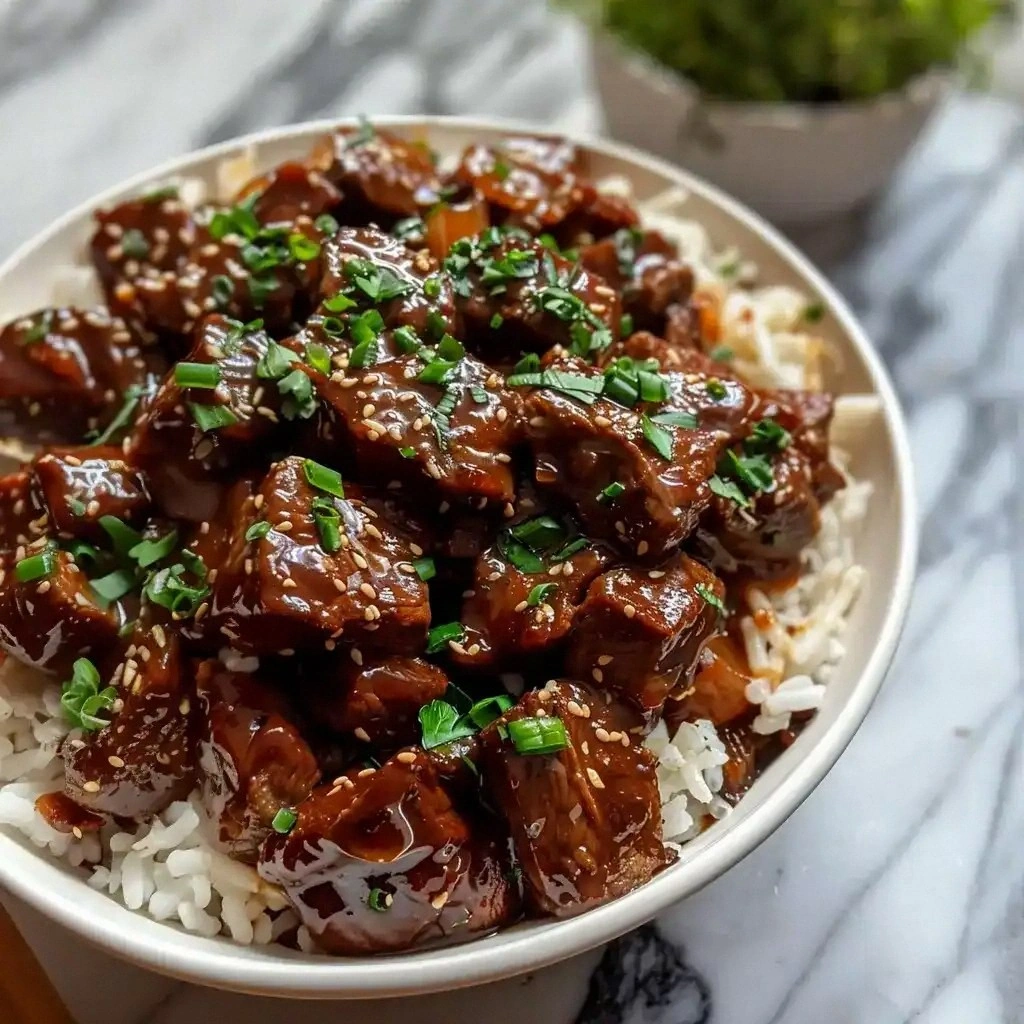
The first time I tasted this, the sauce clung to the beef like a second skin, releasing a burst of umami that made the entire kitchen smell like a high‑end Asian restaurant. The garlic sang, the ginger whispered, and the sweet‑savory balance was so precise it felt like a culinary tightrope walk. I was honest— I ate half the batch before anyone else got to try it— because the texture was so tender it practically dissolved in your mouth. If you’ve ever struggled with a sauce that turns out too thin or too thick, you’re not alone; this one is the perfect example of how a little cornstarch can transform a dish. Picture yourself pulling this out of the slow cooker, the whole kitchen smelling incredible, and the family cheering for an encore.
What sets this version apart is the meticulous layering of flavors and the methodical approach that turns a simple cut of beef into an unforgettable entrée. I dare you to taste this and not go back for seconds; the glossy glaze, the subtle heat from red pepper flakes, and the bright crunch of green onions create a harmony that is hard to replicate. Most recipes get this completely wrong, often over‑sautéing the meat or using too much sugar, but here the balance is spot‑on. The secret lies in the slow‑cooked technique, the precise cornstarch slurry, and the intentional use of low‑sodium soy sauce to keep the salt level just right. And the best part? The dish is both crowd‑pleasing and easy to make, so you can impress guests without losing your sanity in the kitchen.
Okay, ready for the game‑changer? This recipe is a playground, and I’m about to show you how to turn an ordinary weeknight dinner into a culinary triumph. I’ll share a few tricks that will elevate the flavor, texture, and presentation to a level that feels like a restaurant dish. Stay with me here — this is worth it. And if you’re wondering whether you can tweak the spice level or swap out the beef, the next sections will cover all of that. Let’s dive in and create a dish that will become your go‑to for busy nights and special occasions alike.
What Makes This Version Stand Out
- Flavor: The sauce is a masterful blend of sweet, savory, and umami that coats the beef like velvet, turning each bite into a flavor explosion. The balance of low‑sodium soy sauce and brown sugar creates a depth that is both comforting and sophisticated. The subtle heat from the red pepper flakes adds a gentle kick that keeps the dish from feeling flat.
- Texture: Slow‑cooking the flank steak breaks down connective tissue, producing melt‑in‑your‑mouth tenderness that contrasts beautifully with the glossy glaze. The cornstarch slurry thickens the sauce to a silky consistency that clings to the meat without being gummy. The green onions add a fresh, crisp bite that balances the richness.
- Simplicity: With just nine ingredients, the recipe is a breeze to assemble, yet it delivers a restaurant‑level flavor profile. The use of a slow cooker eliminates the need for constant stirring or monitoring, making it perfect for busy evenings. The instructions are straightforward, so you can focus on enjoying the cooking process rather than wrestling with complicated techniques.
- Uniqueness: Unlike traditional stir‑fry versions that rely on quick searing, this slow‑cooked method infuses the beef with deep, mellow flavors that you can’t achieve with a skillet alone. The combination of cornstarch and a simple sauce creates a glossy finish that is visually stunning. The dish’s versatility allows it to pair seamlessly with rice, noodles, or steamed vegetables.
- Crowd Reaction: Friends who’ve tried other Mongolian beef recipes often remark that this version is “the best” and can’t get enough of it. The dish’s comforting sweetness and savory depth make it a hit with both kids and adults. The aroma alone is enough to bring people to the kitchen for a taste.
- Ingredient Quality: Using high‑quality flank steak or beef chuck roast ensures a robust beef flavor that stands up to the sauce. Low‑sodium soy sauce keeps the dish from becoming overly salty, while fresh ginger and garlic provide a bright, aromatic base. The fresh green onions add a bright, herbaceous finish that rounds out the flavor profile.
Inside the Ingredient List
The Flavor Base
The low‑sodium soy sauce and brown sugar form the backbone of this dish, providing a sweet‑savory foundation that is both comforting and complex. The soy sauce’s umami depth is essential for balancing the sweetness, while the brown sugar adds a caramelized nuance that rounds out the flavor. If you skip this step, the sauce will taste flat and lack the depth that makes Mongolian beef unforgettable. You can substitute honey for brown sugar if you prefer a slightly different sweetness, but the caramel undertones will be less pronounced.
The Texture Crew
Cornstarch is the unsung hero that turns a runny sauce into a glossy, silky glaze that clings to every bite. Mixing it with a splash of water creates a slurry that prevents clumps and ensures a smooth finish. If you forget to whisk the cornstarch into the sauce, you’ll end up with a lumpy texture that detracts from the dish’s elegance. For a gluten‑free version, simply use arrowroot powder or a gluten‑free cornstarch blend.
The Unexpected Star
Fresh ginger adds a bright, peppery bite that cuts through the richness of the beef and the sweetness of the sauce. Its subtle heat is a key component of the dish’s overall flavor profile, providing a refreshing contrast that keeps the palate engaged. If you’re not a fan of ginger, you can replace it with a dash of white pepper, but the dish will lose some of its signature zing.
The Final Flourish
Green onions bring a crisp, fresh crunch that balances the tenderness of the meat and the thickness of the sauce. Their mild onion flavor adds a layer of complexity without overpowering the dish. If you prefer a milder taste, you can use scallions instead, but the visual appeal will be slightly different. A handful of sesame seeds sprinkled on top can add a subtle nutty note and an extra pop of color.
Everything’s prepped? Good. Let’s get into the real action.
The Method — Step by Step
- Start by trimming the flank steak of any excess fat, then slice it into thin, even strips about ¼ inch thick. This thickness is critical; too thick and the meat won’t cook evenly, too thin and it will dry out. Lay the slices on a cutting board and pat them dry with paper towels to ensure a good sear later. Once the steak is sliced, set it aside in a bowl and let it come to room temperature for about 10 minutes. This step helps the meat cook more uniformly.
- Season the steak strips generously with salt and pepper, then toss them in a large bowl with the cornstarch slurry to coat evenly. The cornstarch not only thickens the sauce later but also helps the steak develop a caramelized crust when seared. Shake off any excess slurry so the meat doesn’t clump together in the pan. This step ensures each piece of steak will hold its shape during the slow‑cooking process. The cornstarch coating also gives the sauce a silky finish.
- Heat a tablespoon of vegetable oil in a large skillet over medium‑high heat until shimmering. Add the steak in a single layer, making sure not to overcrowd the pan. Sear the meat for about 2 minutes on each side until a golden brown crust forms. This searing step locks in juices and adds a deep, savory flavor that complements the sweet sauce. Once all strips are browned, transfer them to the slow cooker.
- In the same skillet, add a splash of water to deglaze, scraping up all the browned bits that stuck to the pan. Pour in the low‑sodium soy sauce, brown sugar, minced garlic, grated ginger, and red pepper flakes. Stir until the sugar dissolves and the mixture reaches a gentle simmer. This sauce forms the heart of the dish, and the deglazing captures all the flavor left behind. Let the sauce simmer for 2 minutes to meld the spices before pouring it over the steak in the slow cooker.
- Cover the slow cooker and set it to low for 4 to 5 hours, or high for 2 to 3 hours, until the beef is fork‑tender and the sauce has thickened to a glossy glaze. The slow‑cooking process breaks down the connective tissue, resulting in meat that practically melts in your mouth. Keep an eye on the liquid level; if it starts to dry out, add a splash of water or broth to maintain moisture. Once the beef is tender, stir in the green onions and let them wilt for a minute. The green onions will add a fresh, bright note that balances the richness of the dish.
- Serve the Mongolian beef over steamed jasmine rice or fluffy cauliflower rice, spooning the sauce generously over the top. Garnish with a sprinkle of toasted sesame seeds and extra green onions for a pop of color and crunch. The contrast between the silky sauce and the light rice makes each bite a delightful experience. If you prefer a lighter version, serve over sautéed bok choy or stir‑fried vegetables.
- For an extra wow factor, drizzle a few drops of toasted sesame oil just before serving. The nutty aroma elevates the dish, creating a sense of sophistication that feels like a restaurant experience. This final touch is optional but highly recommended for those who want to elevate the flavor profile even further. And that’s it — you did it. But hold on, I’ve got a few more tricks that will take this to another level.
Insider Tricks for Flawless Results
The Temperature Rule Nobody Follows
Cooking on low rather than high preserves the beef’s tenderness, but many people skip this step and end up with tough meat. Keep the slow cooker on low for at least 4 hours, or switch to high only if you’re in a hurry. The gentle heat allows collagen to break down slowly, ensuring the steak stays juicy and flavorful. I once tried high for 2 hours and the texture was uneven; it was a hard lesson in patience.
Why Your Nose Knows Best
Before you add the final green onions, give the dish a sniff. A faint, sweet aroma indicates the sauce is perfectly balanced; a sharp, burnt smell signals you’ve over‑cooked the soy sauce. Trusting your nose can prevent costly mistakes that would otherwise ruin the dish. The moment the green onions wilt, the scent will shift to fresh and vibrant, signaling readiness.
The 5‑Minute Rest That Changes Everything
Once the slow cooker is turned off, let the beef rest for five minutes with the lid on. This rest period allows the juices to redistribute, resulting in a more cohesive sauce. Skipping this step can leave the meat dry and the sauce lumpy. I always set a timer so I can multitask in the kitchen while the dish settles.
Use a Thick‑Bottomed Slow Cooker
A thick‑bottomed pot ensures even heat distribution, preventing hot spots that can scorch the sauce. If your slow cooker has a removable insert, keep the metal base in place. A consistent temperature keeps the sauce from separating and preserves the glossy finish. I’ve seen many people use ceramic inserts that trap moisture, leading to a soggy texture.
Freeze for Later
Prepare a double batch and freeze half for an easy weeknight dinner. Store the beef and sauce separately in airtight containers to maintain texture. When reheating, add a splash of water or broth to restore moisture. This method saves time without compromising flavor, and the dish tastes just as good as the first time.
Creative Twists and Variations
Spicy Sriracha Kick
Swap the red pepper flakes for a tablespoon of sriracha for a bold, fiery punch. The sauce will carry a smoky heat that pairs wonderfully with the sweet soy base. This version is perfect for those who love a bit of spice in every bite. Serve with a side of cucumber salad to balance the heat.
Teriyaki Twist
Replace the low‑sodium soy sauce with a homemade teriyaki sauce made from soy, mirin, and a touch of honey. The mirin adds a subtle sweetness while the honey deepens the caramel notes. The result is a richer, more complex glaze that feels like a Japanese fusion. Pair it with edamame for a complete meal.
Vegetarian Version
Use sliced shiitake mushrooms or firm tofu instead of beef for a plant‑based option. The mushrooms absorb the sauce and develop a meaty texture, while tofu offers a lighter bite. Add a splash of vegetable broth to the sauce to enhance the umami flavor. This version is still hearty enough to satisfy even the most carnivorous friends.
Low‑Carb Delight
Serve the beef over cauliflower rice or a bed of sautéed spinach instead of regular rice. The low‑carb base keeps the dish light while still delivering the full flavor profile. The cauliflower’s mild taste complements the sweet‑savory sauce without competing. This version is ideal for those on a keto or low‑carb diet.
Asian Noodle Bowl
Swap the rice for udon or ramen noodles for a comforting bowl that feels like a takeout favorite. Toss the noodles with the sauce and beef, then top with sliced scallions, sesame seeds, and a drizzle of sesame oil. The noodles soak up the sauce, creating a cohesive bite. This variation is great for a quick lunch or a cozy dinner.
Breakfast Takeover
Serve the Mongolian beef over fluffy scrambled eggs for a savory breakfast. The sauce’s sweet‑savory balance pairs well with the creamy eggs, creating a breakfast that feels indulgent yet comforting. Add a side of toast or a slice of avocado for extra texture. This version is a great way to start your day on a high note.
Storing and Bringing It Back to Life
Fridge Storage
Cool the dish completely before transferring it to an airtight container. Store in the refrigerator for up to 3 days, ensuring the beef stays juicy and the sauce remains glossy. When reheating, add a splash of water to restore moisture and stir until heated through. This method keeps the flavors intact while preventing the meat from drying out.
Freezer Friendly
Divide the dish into individual portions and place each in a freezer‑safe container or zip‑lock bag. Label with the date and freeze for up to 3 months. Thaw overnight in the refrigerator, then reheat on the stovetop or microwave. Adding a tablespoon of water or broth before reheating prevents the sauce from becoming too thick.
Best Reheating Method
Reheat on the stovetop over low heat, stirring occasionally, until the sauce is hot and the beef is warmed through. This method preserves the sauce’s silky texture and prevents it from separating. If you’re in a rush, use a microwave on medium power, stirring every 30 seconds. The key is to keep the heat gentle to avoid over‑cooking the meat.