I'm going to let you in on a little secret that changed everything for me. Last winter, I was elbow-deep in what I thought was going to be the perfect Sunday dinner — a big pot of traditional beef bolognese that had been simmering for three hours. The house smelled amazing, my friends were coming over, and I was feeling pretty smug about my culinary skills. Then I took a taste and nearly spat it out. The meat was tough, the sauce was greasy, and I'd somehow managed to burn the bottom while the top was still watery. Classic fail.
But here's where the story gets good. Instead of ordering pizza and pretending I'd planned that all along, I started experimenting. What if I could capture all that rich, slow-cooked flavor in a fraction of the time? What if I could make it healthier without sacrificing that soul-warming comfort? And what if — stay with me here — I could do it all in one pot with ingredients I actually keep in my kitchen? After about fifteen attempts (my neighbors started avoiding eye contact because I kept showing up with turkey bolognese samples), I cracked the code.
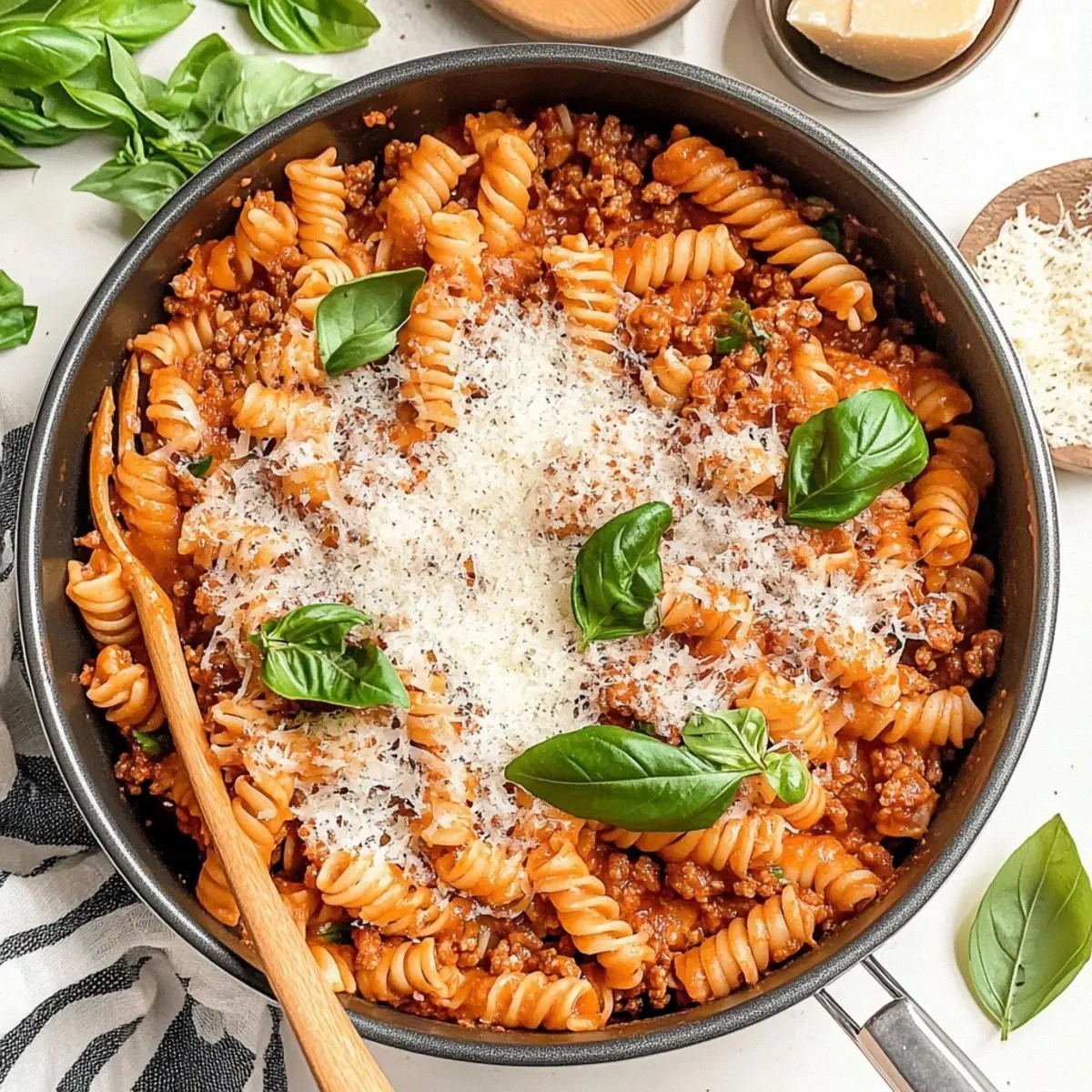
This turkey bolognese is everything the original should be, but smarter. We're talking silky sauce that clings to every ridge of pasta, turkey so tender it melts on your tongue, and a depth of flavor that'll make your Italian grandmother weep with joy. The magic happens when we layer flavors instead of just dumping everything in a pot and hoping for the best. That sizzle when the tomato paste hits the hot oil? That's the sound of umami bombs detonating. The way the Calabrian chili paste blooms in the fat? Pure culinary sorcery.
Picture yourself pulling this out of the oven, the whole kitchen smelling like a tiny trattoria in Bologna. Your family gathers around, and suddenly everyone's talking about their day instead of staring at their phones. That's the power of food done right. And here's the kicker — you can go from zero to hero in under 45 minutes, all while dirtying exactly one pot. Let me walk you through every single step — by the end, you'll wonder how you ever made it any other way.
What Makes This Version Stand Out
Lightning Fast: Traditional bolognese demands your entire Sunday afternoon. This version? 45 minutes from prep to plate. We're using smart techniques to build deep flavor quickly instead of waiting for the sauce fairy to show up three hours later.
Healthier Without Sacrifice: Ground turkey gets a bad rap for being dry and flavorless, but when treated right, it's actually superior to beef. Less saturated fat, more protein, and it acts like a sponge for all the gorgeous flavors we're throwing at it.
One-Pot Wonder: Everything happens in a single Dutch oven — no separate pot for pasta, no colander chaos, no mountain of dishes. The pasta cooks right in the sauce, releasing starch that makes everything silkier than a Venetian gondolier's pickup lines.
Flavor Bomb Arsenal: Calabrian chili paste brings gentle heat and fruity complexity. Tomato paste gets caramelized until it's nearly black, creating layers of sweet-savory depth. Fresh basil goes in at the end so it tastes like summer instead of sadness.
Weeknight Royalty: This isn't special occasion food — it's Tuesday night survival food that tastes like Sunday dinner. Leftovers reheat like a dream, and the flavors actually improve overnight. Make a double batch and thank me later.
Crowd-Pleasing Genius: Kids love it because it's essentially fancy spaghetti. Adults love it because it tastes like you went to culinary school. Picky eaters love it because you can't tell it's turkey. Everyone wins, nobody complains, and you look like a kitchen wizard.
Alright, let's break down exactly what goes into this masterpiece...
Inside the Ingredient List
The Flavor Base
Ground turkey is our canvas, but not all turkey is created equal. Skip the ultra-lean breast meat that tastes like cardboard's sad cousin. You want the 93/7 blend that still has some fat for flavor and moisture. When it hits that hot oil, it'll brown properly instead of steaming into gray sadness. The Maillard reaction is your friend here — those crispy brown bits stuck to the bottom of the pot? That's liquid gold, and we'll scrape every bit of it up later.
Extra virgin olive oil isn't just for show. It carries fat-soluble flavors from the garlic and chili paste, creating a flavor highway that runs straight to your taste buds. Don't be stingy — two tablespoons might seem like a lot, but we're building an empire here, not a diet plate. The oil also prevents the turkey from sticking and helps those gorgeous fond bits form on the bottom of the pot.
The Texture Crew
Yellow onion, carrot, and celery — the holy trinity of Italian cooking, or as fancy chefs call it, soffritto. Dice them small but not minced; you want little jewels of vegetables that provide texture contrast, not baby food. The onion brings sweetness, the carrot adds earthy depth, and the celery contributes a subtle bitterness that keeps everything from tasting one-note. Pro tip: keep the carrot and celery pieces slightly larger than the onion since they take longer to soften.
Garlic goes in after the vegetables have softened because burnt garlic tastes like bitter disappointment. Four cloves might sound excessive to vampire enthusiasts, but we're cooking them gently until they're sweet and mellow. If your garlic has started sprouting green shoots, remove them — they taste sharp and will ruin our carefully balanced flavor profile.
The Unexpected Star
Tomato paste is where most recipes go wrong. They stir it in for thirty seconds and wonder why their sauce tastes flat. Here's what actually works: let it cook until it turns from bright red to dark brick, nearly black. It should smell caramelized and slightly sweet, like sun-dried tomatoes had a baby with roasted red peppers. This transformation takes about three minutes, and it's the difference between amateur hour and restaurant-quality depth.
Calabrian chili paste is the secret weapon that'll make people ask "what's that amazing flavor?" It's not just heat — it's fruity, smoky, and complex with a gentle warmth that builds instead of destroying your palate. If you can't find it, substitute with red pepper flakes, but you'll miss those gorgeous fruity notes that make this sauce special.
The Final Flourish
Fresh basil goes in at the very end, off the heat. Cooking basil turns it black and bitter, like your ex's attitude. Tear it roughly instead of chopping — chopped basil bruises and oxidizes faster than you can say "where's my pizza knife?" The residual heat wilts it perfectly while preserving that bright, peppery flavor that screams summer in Italy.
Ricotta isn't just for lasagna anymore. A generous dollop on top of each serving creates these pockets of creamy coolness that contrast beautifully with the hot, rich sauce. Let it sit for thirty seconds before stirring so it warms slightly but stays distinct. The cheese police won't arrest you if you mix it all together, but you'll miss those delightful temperature and texture contrasts.
Everything's prepped? Good. Let's get into the real action...
The Method — Step by Step
-
Heat your Dutch oven over medium-high heat until a drop of water sizzles and evaporates immediately. This ensures your turkey will brown instead of steam, which is the difference between flavor town and bland city. Add the olive oil and swirl to coat the bottom — it should shimmer like liquid gold but not smoke. If it starts smoking, your pan's too hot; remove it from heat for thirty seconds and start again.
Crumble in the ground turkey, breaking it up with your wooden spoon but don't overwork it. You want some nice big chunks that'll give you varied texture. Season with half the salt right away — this helps draw out moisture so the meat can actually brown instead of swimming in its own juices. Let it sit undisturbed for three full minutes. I know it's tempting to stir, but patience pays off here.
After three minutes, flip the larger pieces and let the other side brown for another two minutes. The bottom of your pot should be developing gorgeous brown bits that look like the surface of a delicious planet. If your turkey is releasing a lot of liquid, crank the heat to high and let it boil off — gray turkey is sad turkey. Once it's mostly cooked through with some crispy edges, remove it to a plate. Don't worry about it being fully cooked; it'll finish in the sauce.
-
Add your diced onion, carrot, and celery to the same pot — yes, with all those gorgeous brown bits still clinging to the bottom. The vegetables will release moisture that helps deglaze the pan, picking up all that flavor as they soften. Sprinkle in a pinch of salt to help them release their liquid faster. Cook for five minutes, stirring occasionally, until the vegetables are soft and the onion looks translucent around the edges.
Now's the time to channel your inner Italian grandmother and really scrape those brown bits. Use the flat edge of your wooden spoon to press and scrape across the bottom of the pot. If things are sticking badly, add a splash of the chicken broth and scrape while it bubbles. You want every bit of that fond incorporated into your vegetables — it's like free flavor that you'd pay $30 for in a restaurant.
Clear a small space in the center of the pot and add your minced garlic. Let it sizzle for thirty seconds until fragrant but not brown — burnt garlic is bitter garlic, and bitter garlic ruins lives. Once you smell that gorgeous aroma, stir it into the vegetables. The garlic should look pale gold and smell sweet, not sharp or acrid.
-
Time for the tomato paste magic. Push the vegetables to the sides and add the tomato paste to the cleared center. Let it cook, untouched, for two minutes. You'll see it darken from bright red to brick red, then to a deep mahogany. Stir it into the vegetables and let it cook another minute. This caramelization is building layers of flavor that'll make your sauce taste like it simmered all day.
Add the Calabrian chili paste and stir for thirty seconds until it releases its fruity aroma and tints the tomato paste a gorgeous rusty color. This is where the magic happens — the combination of caramelized tomato and chili paste creates a flavor base that's more complex than a Shakespeare play. Don't be tempted to taste it yet; it's incredibly concentrated and will blow your head off.
Watch Out: Tomato paste burns quickly once it starts darkening. Stay close and stir constantly during the last minute — if you smell anything acrid or see black spots, immediately add a splash of broth to cool it down. -
Pour in the crushed tomatoes and chicken broth, stirring to combine everything into a gorgeous, chunky sauce. Return the turkey to the pot, along with any juices that accumulated on the plate. Add the remaining salt and bring everything to a gentle simmer. You want lazy bubbles, not a rolling boil — aggressive heat will break up the turkey and make it tough.
Once it's simmering, add your pasta directly to the sauce. I know this feels wrong if you grew up cooking pasta separately, but trust the process. The pasta releases starch as it cooks, which thickens the sauce and helps it cling to every noodle. Stir well to prevent sticking, then reduce heat to medium-low and cover partially with the lid askew.
Stir every three minutes to prevent sticking and check the liquid level. The pasta should be mostly submerged with sauce, but not swimming. If it looks dry, add broth a half-cup at a time. If it's too soupy, remove the lid and let it reduce. You're aiming for the consistency of a thick stew — the pasta should be visible but not drowning.
-
After about twelve minutes (check your pasta package for timing), start testing for doneness. Fish out a piece and bite into it — it should be tender but still have a slight bite. The sauce should have thickened and be coating the pasta like velvet. If the pasta's done but the sauce is thin, remove the pasta with a slotted spoon and let the sauce reduce for a few more minutes, then return the pasta.
Remove the pot from heat and stir in half the Parmesan cheese. The residual heat will melt it into the sauce, creating a glossy coating that makes everything taste richer. Taste and adjust seasoning — you might want more salt, or if you like it spicier, a touch more Calabrian paste. Remember that the Parmesan adds saltiness, so go easy.
Stir in most of the fresh basil, reserving some for garnish. The heat will wilt it perfectly while preserving that bright flavor. Let the whole thing rest for five minutes — I know you're hungry, but this brief pause lets the sauce thicken and the flavors meld. Plus, molten tomato sauce is basically lava, and your tongue will thank you for waiting.
-
Serve in deep bowls because this is comfort food, not fine dining. Dollop each serving with a generous spoonful of ricotta — don't stir it in yet. Let people discover those cool, creamy pockets as they eat. Sprinkle with the remaining Parmesan and fresh basil. The contrast between hot sauce and cool ricotta is absolutely magical, like finding treasure in your dinner.
Finish with a drizzle of good olive oil if you're feeling fancy, and crack some fresh black pepper over the top. Serve with crusty bread to mop up every last bit of sauce, because wasting this liquid gold should be a crime. Sit back and watch people's eyes roll back in their heads when they take the first bite.
Kitchen Hack: If your sauce seems too thick after resting, add a splash of pasta water or broth. The pasta will continue absorbing liquid as it sits, so having it slightly saucier than perfect when serving accounts for this.
That's it — you did it. But hold on, I've got a few more tricks that'll take this to another level...
Insider Tricks for Flawless Results
The Temperature Rule Nobody Follows
Here's the thing about one-pot pasta dishes — temperature control makes or breaks them. Too hot and your sauce evaporates before the pasta cooks, leaving you with a sticky mess. Too cool and you'll be eating crunchy pasta in soup. The sweet spot is just below a simmer, where you see tiny bubbles breaking the surface occasionally. If you tilt the pot, you should see gentle movement but no aggressive boiling.
I learned this the hard way after serving what I called "al dente" but my guests called "crunchy noodles in tomato water." Now I keep the heat at medium-low and check every few minutes. If I need to step away, I remove the pot from heat entirely — residual heat will keep things moving without the risk of over-reduction. A friend tried skipping this step once and served pasta that could've replaced gravel in a fish tank.
Why Your Nose Knows Best
Forget timers — your nose is the most sophisticated kitchen tool you own. When the tomato paste hits that perfect caramelization point, your kitchen will smell like a pizzeria married a sun-dried tomato and had delicious babies. If you smell anything sharp or acrid, you've gone too far and need to add liquid immediately. The garlic should smell sweet and mellow, not sharp or aggressive.
Same goes for the turkey — properly browned turkey smells nutty and rich, like Thanksgiving and Sunday dinner had a love child. If it smells metallic or sour, it's either not browned enough or going bad. Trust your instincts here; humans evolved to detect when food's ready or rotten, and your caveman instincts are more reliable than any recipe timing.
The 5-Minute Rest That Changes Everything
I've watched too many people (myself included) serve this immediately and wonder why it's watery one night and perfect the next. That five-minute rest off heat isn't just chef posturing — it's chemistry in action. The pasta continues absorbing liquid, the sauce thickens as it cools slightly, and the flavors have time to meld into something greater than their parts.
Cover the pot loosely and walk away. Set the table, pour some wine, yell at everyone to wash their hands. When you return, the sauce will have transformed from good to restaurant-quality. The pasta will be perfectly tender, the sauce will coat every noodle, and you'll look like a culinary genius instead of someone who can't time dinner properly.
The Cheese Timing Secret
Adding Parmesan at the end isn't just about melting — it's about texture. When you stir it into the hot sauce off heat, it melts into tiny threads that thicken and enrich without becoming stringy. Add it while the pot's still on the burner and you'll get globs of rubbery cheese that refuse to incorporate smoothly.
Save some for serving too. Freshly grated Parmesan on top adds a salty, nutty punch that wakes up the whole dish. Pre-grated stuff from a can works in a pinch, but the anti-caking agents prevent it from melting smoothly. Buy a wedge and grate it yourself — it keeps for weeks in the fridge and makes everything taste fancier.
Creative Twists and Variations
This recipe is a playground. Here are some of my favorite ways to switch things up:
The Mediterranean Vacation
Swap the Calabrian chili paste for harissa and add a cinnamon stick while the sauce simmers. Stir in chopped kalamata olives and crumbled feta at the end. The warm spices transport you straight to a Greek island, and the briny olives cut through the richness like a squeeze of lemon on fresh fish. This version pairs beautifully with a crisp white wine and some crusty bread for sopping up the sauce.
The Mushroom Lover's Dream
Add a pound of cremini mushrooms, sliced thick, when you cook the vegetables. They'll release their liquid and then brown beautifully, adding an earthy depth that makes this taste like it simmered for hours. The mushrooms also stretch the meat further, making this budget-friendly while still feeling indulgent. If you're feeding vegetarians, skip the turkey entirely and double the mushrooms — it's honestly just as good.
The Green Goddess Version
Stir in a few handfuls of baby spinach during the last two minutes of cooking. The heat wilts it perfectly while preserving that vibrant green color and fresh flavor. Top with fresh pesto instead of ricotta for an herby punch that makes this taste like spring in a bowl. My vegetarian sister swears this version converted her carnivore boyfriend into a turkey believer.
The Smoky Cowboy
Add a teaspoon of smoked paprika with the tomato paste and swap half the turkey for ground bison if you can find it. The smoky depth tastes like it came from a campfire, and the bison adds a rich, slightly sweet flavor that makes regular ground beef taste boring. Top with crispy shallots instead of ricotta for crunch that'll have everyone asking for your secret.
The Harvest Celebration
In fall, add diced butternut squash during the last ten minutes of cooking. It soaks up the sauce and becomes tender little gems of sweet-savory perfection. Stir in some sage leaves with the basil for that classic autumn combination. This version tastes like Thanksgiving and Christmas had a baby, and it's become my go-to for impressing dinner guests who think turkey is boring.
The Spicy Arrabiata
Double the Calabrian chili paste and add a pinch of red pepper flakes for arrabiata-style heat that builds with every bite. The turkey keeps it from being too heavy, while the spice makes your nose run in the best possible way. Serve with a cold beer to cool the fire, and watch spice lovers lose their minds over this perfect balance of heat and flavor.
Storing and Bringing It Back to Life
Fridge Storage
This keeps beautifully in the fridge for up to four days, but here's the key: store the sauce and pasta together in a sealed container. The pasta will continue absorbing liquid, so add a splash of broth or water when reheating. Don't use the microwave if you can help it — the gentle heat of a stovetop brings it back to life without turning the pasta to mush.
For best results, refrigerate in shallow containers so it cools quickly and evenly. If you made a double batch, divide it before storing — a huge container takes forever to cool and can develop off flavors. When reheating, add a tablespoon of water per serving and warm over medium-low heat, stirring gently. It'll taste almost as good as fresh, which is saying something for pasta dishes.
Freezer Friendly
The sauce freezes like a dream for up to three months, but here's the pro move: freeze just the sauce without the pasta. Cook fresh pasta when you're ready to serve — it takes the same time as reheating frozen pasta, and the texture is infinitely better. Freeze in quart bags laid flat so they stack neatly and thaw quickly. Thaw overnight in the fridge or use the defrost setting on your microwave.
If you must freeze the complete dish, undercook the pasta by two minutes so it doesn't turn to mush when reheated. Freeze in individual portions for easy weeknight dinners that taste like you cared. Add a splash of cream when reheating to bring back that silky texture that freezing sometimes compromises.
Best Reheating Method
Stovetop is king here — add your portion to a pan with a splash of water or broth, cover loosely, and warm over medium-low heat. Stir occasionally and add liquid as needed. The sauce should bubble gently and coat the pasta again. If it seems dry, add more liquid a tablespoon at a time. Taste and adjust seasoning — sometimes a pinch of salt or a grate of fresh Parmesan brings everything back to life.
Avoid the microwave unless you're truly desperate. If you must use it, cover with a damp paper towel and heat at 70% power in 30-second bursts, stirring between each burst. Add a tiny splash of water before microwaving — it steams back to perfection instead of turning into rubbery pasta with sauce concrete.