Picture this: it's Tuesday night, the kids are bouncing off the walls, the dog's barking at absolutely nothing, and you're standing in front of your oven wondering how on earth you're going to get dinner on the table before everyone starts eating the furniture. Been there? Oh, I've been there more times than I care to admit. That's exactly how I stumbled upon what I now call my kitchen's best-kept secret: slow cooker lasagna that tastes like an Italian grandmother spent all day hovering over a bubbling pot of sauce.
Here's the thing — traditional lasagna is a weekend warrior. It demands your Saturday afternoon, your best sauce pot, and that precious mental bandwidth you save for remembering where you parked at the grocery store. But this slow cooker version? It practically makes itself while you're living your life, and the results are so outrageously good that I dare you to taste it and not go back for thirds. The noodles get this silky texture that you simply cannot achieve in the oven, the sauce melds together until it coats everything like liquid velvet, and those crispy edges that form where the lasagna touches the sides of the crock? Pure magic. That sizzle when you lift the lid? Absolute perfection.
I'll be honest with you — I ate half the first batch before anyone else got to try it. My husband came home to find me standing over the slow cooker with a fork in one hand and a look of pure lasagna-induced bliss on my face. The kids were circling like vultures, and I was that mom who said, "Just one more bite," about seventeen times. If you've ever struggled with dry lasagna, watery sauce, or the dreaded crunchy noodle syndrome, you're not alone — and I've got the fix that'll change everything.
Most recipes get this completely wrong. They treat the slow cooker like a miniature oven, layering everything the same way and expecting miracles. But here's what actually works: we flip the script, treat those noodles right, and let time do what ovens simply can't. The result? Layers so tender they practically sigh when you cut into them, sauce that's had time to develop depths of flavor you can't fake with shortcuts, and a cheese situation that's so gloriously melty it should probably be illegal in several states. Picture yourself pulling this out of the slow cooker, the whole kitchen smelling like the best Italian restaurant you've ever walked into, and knowing that dinner is handled with zero last-minute stress. Let me walk you through every single step — by the end, you'll wonder how you ever made it any other way.
What Makes This Version Stand Out
Flavors That Marry: The slow cooker isn't just convenient — it's a flavor matchmaker. As the sauce simmers gently for hours, the garlic mellows and sweetens, the tomatoes break down into silk, and every herb releases its oils at the perfect pace. You end up with a sauce that tastes like it's been simmering on an Italian hillside for generations.
Noodle Nirvana: Forget everything you know about lasagna noodles. In the slow cooker, they don't just cook — they absorb all that saucy goodness while staying perfectly tender. No more fighting with those hard edges that never quite cook through in the oven version.
Hands-Off Hero: Once you layer everything in, your work is done. No checking, no rotating pans, no worrying about the top burning while the middle stays cold. Set it, forget it, and come home to dinner waiting like a warm hug.
Edge-to-Edge Excellence: Those crispy edges that everyone fights over in traditional lasagna? You get them on every single piece. The slow cooker creates these caramelized bits where the cheese meets the ceramic that'll have you sneaking pieces with a fork.
Texture Tango: We're talking layers that hold together like a dream but cut with zero effort. The ricotta stays fluffy, the mozzarella stretches for days, and the sauce finds its way into every nook and cranny.
Crowd-Pleasing Power: I've served this at potlucks where people tracked me down for the recipe. I've made it for picky kids who asked for seconds. I've watched grown adults fight over the last piece like it was the last lifeboat on the Titanic.
Make-Ahead Magic: Prep it the night before, keep it in the fridge, then just pop it in the slow cooker in the morning. Or make a double batch and freeze half for those "I can't even" days when cooking feels impossible.
Alright, let's break down exactly what goes into this masterpiece...
Inside the Ingredient List
The Flavor Base
The sauce is where we start building our flavor empire, and trust me when I say that starting with quality crushed tomatoes makes all the difference. I use San Marzano tomatoes when I'm feeling fancy (and when they're on sale), but any good crushed tomato works as long as it doesn't have added herbs — we want to control that ourselves. The onion isn't just there for texture; as it slowly melts into the sauce over hours, it releases natural sugars that balance the tomato's acidity in a way that tasting and adjusting just can't replicate. Fresh garlic might seem like a small thing, but in the slow cooker, garlic powder just can't compete with those sweet, mellow cloves that practically dissolve into the sauce. And here's my confession: I used to skip the tomato paste, thinking it was just for thickening. Big mistake. That little can adds this concentrated tomato flavor that makes the sauce taste like it's been simmering all day, even if you just threw it together.
The Texture Crew
Whole milk ricotta is non-negotiable here — the low-fat stuff turns grainy and watery, and we're not about that life. The egg in the ricotta mixture isn't just tradition; it acts like culinary glue, helping everything hold together when you slice into the lasagna later. Fresh mozzarella might seem like an extra step, but it melts into these gorgeous pools that stretch like a dairy-based lava lamp. The Parmesan we're mixing in isn't just for saltiness; those little crystals add tiny bursts of umami that make people say "what's in this?" in the best possible way. And please, for the love of all that's cheesy, grate your own Parmesan. The pre-grated stuff has cellulose added to prevent clumping, which also prevents it from melting properly.
The Unexpected Star
This is where we get a little wild. A tablespoon of balsamic vinegar in the sauce adds this mysterious depth that makes people wonder if you've been hiding an Italian grandmother in your kitchen. The sugar isn't about making it sweet — it's about balancing the natural acidity of the tomatoes, especially if your canned tomatoes are particularly tart. Fresh basil goes in at the very end because slow cooking turns it bitter, but a little dried oregano in the sauce layers adds that classic Italian flavor that screams comfort food. And here's my secret weapon: a pinch of nutmeg in the ricotta mixture. It sounds weird, but it adds this warm, almost mysterious note that makes people ask for your recipe.
The Final Flourish
Regular lasagna noodles work perfectly here — no need for the no-boil kind, which tend to get gummy in the slow cooker. I season each layer as I go because the pasta needs salt too, and this ensures every bite is perfectly seasoned. A little fresh parsley stirred into the ricotta adds color and freshness that survives the slow cooking process. And that final sprinkle of cheese on top? It creates this gorgeous golden crust that'll have everyone fighting for corner pieces.
Everything's prepped? Good. Let's get into the real action...
The Method — Step by Step
- Start by browning your ground beef and Italian sausage together in a large skillet over medium-high heat. Don't just break it up with any old spatula — use a potato masher for the finest, most even crumble that'll distribute perfectly through every layer. Cook until it's no longer pink but not browned to death; we want it juicy, not jerky. Drain off all but about a tablespoon of the fat because that little bit carries flavor, but too much makes everything greasy. Season generously with salt and pepper now because trying to season meat later when it's buried under sauce is like trying to find a needle in a haystack.
- While the meat cooks, mix up your ricotta filling in a medium bowl. Combine the ricotta, egg, half the Parmesan, the nutmeg, and a good pinch of salt and pepper. Mix it with a fork until it's smooth but still has some texture — over-mixing makes it gluey. Stir in the fresh parsley at the end because it stays brighter that way. Taste it now and adjust the seasoning; this is your only chance to get it right before it becomes part of the lasagna landscape.
- Now we're building the sauce that'll make or break this whole operation. In the same skillet (don't waste those meaty bits), sauté the onion until it's translucent and starting to turn golden around the edges. Add the garlic and cook for just 30 seconds — any longer and it gets bitter. Pour in the crushed tomatoes, tomato paste, balsamic vinegar, sugar, oregano, and a cup of water. Let it simmer for about 10 minutes until it thickens slightly. It should coat the back of a spoon but still be pourable.
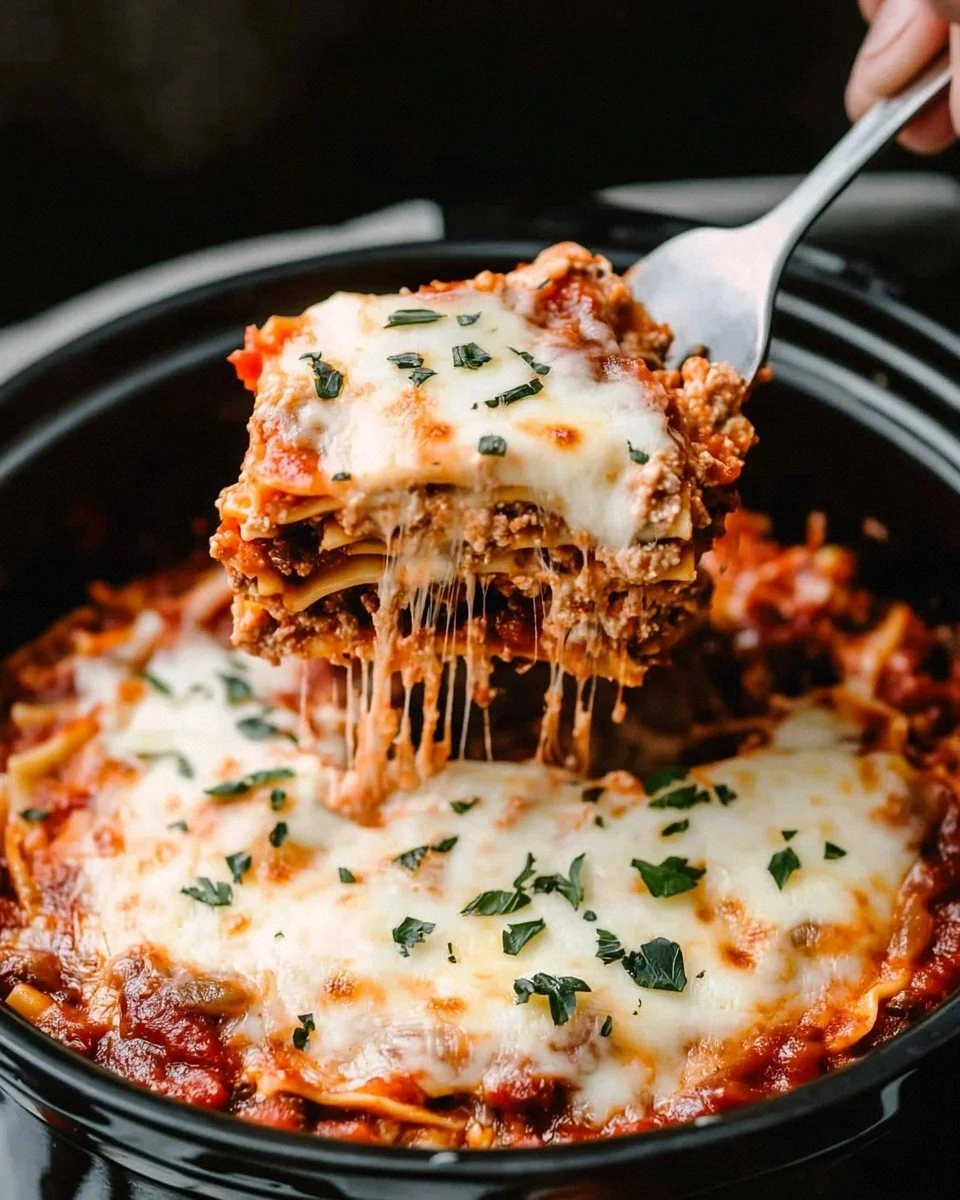
- This next part? Pure magic. Spray your slow cooker insert with cooking spray, then spread a thin layer of sauce on the bottom. Lay down your first layer of noodles — break them to fit, and don't stress about perfect coverage. Spread one-third of the ricotta mixture over the noodles, then sprinkle with one-third of the meat mixture. Pour over more sauce, then sprinkle with one-third of the mozzarella. Repeat these layers twice more, ending with sauce and the remaining mozzarella on top.
- Okay, ready for the game-changer? Instead of cooking this on high and risking burnt edges and a cold center, we're going low and slow for 4 to 5 hours. This gives everything time to meld together without the bottom layer turning into charcoal. The edges will start pulling away from the sides when it's almost done, and the cheese on top should be golden and bubbly. Don't lift the lid too often — every peek adds 15 minutes to your cooking time.
- Here's where most people mess up: they want to dig in immediately. But stay with me here — this is worth it. Let the lasagna rest for 15 minutes after cooking. I know, I know, the smell is driving you crazy and everyone's hovering like vultures. But this rest lets everything set up so you can actually cut clean pieces instead of serving lasagna soup. The sauce will thicken slightly as it cools, and the cheese will firm up just enough to hold everything together.
- Now comes the fun part — serving this masterpiece. Use a sharp knife to cut through the layers, then a sturdy spatula to lift out perfect squares. The first piece is always a sacrifice to the lasagna gods — it'll fall apart but taste incredible. After that, the pieces come out cleaner. Garnish with fresh basil and extra Parmesan because we eat with our eyes first, and this beauty deserves a proper presentation.
- If you're feeling extra fancy (and let's be honest, when are we not?), serve this with a simple green salad dressed with lemon and olive oil. The acid cuts through the richness perfectly. And wine — oh, the wine. A nice Chianti or Sangiovese makes this feel like a special occasion even when it's just Tuesday and everyone's wearing pajama pants.
That's it — you did it. But hold on, I've got a few more tricks that'll take this to another level...
Insider Tricks for Flawless Results
The Temperature Rule Nobody Follows
Here's what actually works: start your slow cooker on high for the first 30 minutes, then drop it to low for the remaining time. This jump-starts the cooking process and gets the cheese melting properly without overdoing it on the edges. A friend tried skipping this step once — let's just say it didn't end well. She ended up with a top layer that was more like cheese jerky than the gooey perfection we're after. The initial high heat also helps set the bottom layer so you don't end up with a soggy mess when you try to serve it.
Why Your Nose Knows Best
After about 3 hours, your kitchen will start smelling like an Italian restaurant, and that's when the real test begins. If you can smell garlic and herbs strongly, you're on the right track. But if it starts smelling overly tomato-y or sharp, your sauce needs more time to mellow. The slow cooker does magical things, but it can't fix a sauce that hasn't had time to develop. Trust your nose — it's been evolving for millions of years specifically to tell you when dinner's ready.
The 5-Minute Rest That Changes Everything
I mentioned resting earlier, but let me double down on this because it's that important. After you turn off the slow cooker, remove the insert from the base if possible. This stops the cooking process and prevents those bottom layers from becoming overcooked while the top sets. Let it sit uncovered — covering it traps steam that'll make your beautiful crispy cheese top turn soggy. These five minutes feel like an eternity when everyone's hungry, but they're the difference between lasagna that holds its shape and lasagna that slides all over the plate like a delicious avalanche.
The Cheese Strategy
Mixing some of the mozzarella into the layers and saving some for the top isn't just about looks — it's about texture contrast. The cheese inside melts into the sauce and becomes part of the infrastructure, while the top layer creates that gorgeous golden crust that makes everyone fight over corners. And here's a pro move: reserve a little fresh mozzarella to add during the last 30 minutes. It creates these pockets of stretchy cheese that are pure Instagram gold.
Creative Twists and Variations
This recipe is a playground. Here are some of my favorite ways to switch things up:
The Veggie Powerhouse
Replace half the meat with finely chopped mushrooms, zucchini, and spinach. The mushrooms give that umami depth you'd miss from the reduced meat, while the zucchini practically melts into the sauce. Sauté the vegetables first to drive off excess moisture — nobody wants watery lasagna. This version is so good that even my die-hard carnivore husband asks for it by name.
The Spicy Southern Italian
Add a teaspoon of red pepper flakes to the meat while browning, and swap the sweet Italian sausage for hot. Throw in some sliced olives and capers for that briny punch that makes everything more interesting. The slow cooking mellows the heat perfectly, leaving you with warmth rather than face-melting spice. Serve with a cooling side of ricotta mixed with lemon zest.
The White Lasagna Wonder
Skip the tomato sauce entirely and make a béchamel with butter, flour, milk, and a mountain of Parmesan. Add cooked chicken and spinach, use ricotta mixed with fresh herbs, and go heavy on the mozzarella. It tastes like the best parts of chicken Alfredo and lasagna had a beautiful baby. Rich? Absolutely. Worth it? One hundred percent.
The Breakfast Lasagna
Stay with me here — this sounds weird but it's weekend brunch gold. Replace the meat with cooked breakfast sausage, add layers of hash browns instead of some noodles, and mix ricotta with maple syrup and a touch of cinnamon. The slow cooker makes everything tender and the maple gets all caramelized and incredible. Top with a fried egg when serving and watch your brunch guests lose their minds.
The Mediterranean Dream
Use ground lamb instead of beef, add layers of roasted eggplant, and season the sauce with cinnamon and oregano. Swap some of the mozzarella for feta, and add pine nuts between layers for crunch. The slow cooker makes the lamb meltingly tender and the cinnamon adds this warm depth that makes people ask "what's that amazing flavor?"
The Seafood Sensation
For special occasions, make a seafood version using shrimp, scallops, and crab. Cook the seafood separately and add it during the last hour so it doesn't turn rubbery. Use a white sauce base and go easy on the cheese — you want to taste the seafood. It's elegant enough for company but still comfort food at its core.
Storing and Bringing It Back to Life
Fridge Storage
Cooled lasagna keeps beautifully in the fridge for up to 4 days, but here's the key: let it cool completely before covering it. Hot lasagna covered with plastic wrap creates condensation that turns your crispy cheese top into a sad, soggy mess. Cut it into individual portions first — they reheat more evenly and you can grab just what you need. Store pieces in airtight containers with a paper towel on top to absorb any excess moisture. When you're ready to reheat, add a splash of water to the container before microwaving — it creates steam that brings everything back to life.
Freezer Friendly
This lasagna freezes like a dream, either as a whole batch or in individual portions. Wrap pieces tightly in plastic wrap, then in foil, and they'll keep for up to 3 months. Thaw overnight in the fridge for best results, though you can microwave from frozen in a pinch — just go low and slow, adding a bit of water and covering loosely. The texture changes slightly after freezing, but honestly, it's still better than most fresh lasagna I've had at restaurants. Pro tip: freeze pieces flat on a baking sheet first, then transfer to a freezer bag — they stack better and thaw more evenly.
Best Reheating Method
The oven is your friend here, even for single portions. Cover with foil and reheat at 325°F until warmed through — usually about 20 minutes for a single piece, longer for more. The microwave works in a pinch, but add a small cup of water alongside to create steam, and cover loosely to prevent splatter. Whatever you do, don't overheat it — that's how you end up with rubbery cheese and dry edges. It's better to underheat slightly and let carryover cooking finish the job. And here's a revelation: cold lasagna straight from the fridge makes an excellent breakfast. Don't knock it until you've tried it.