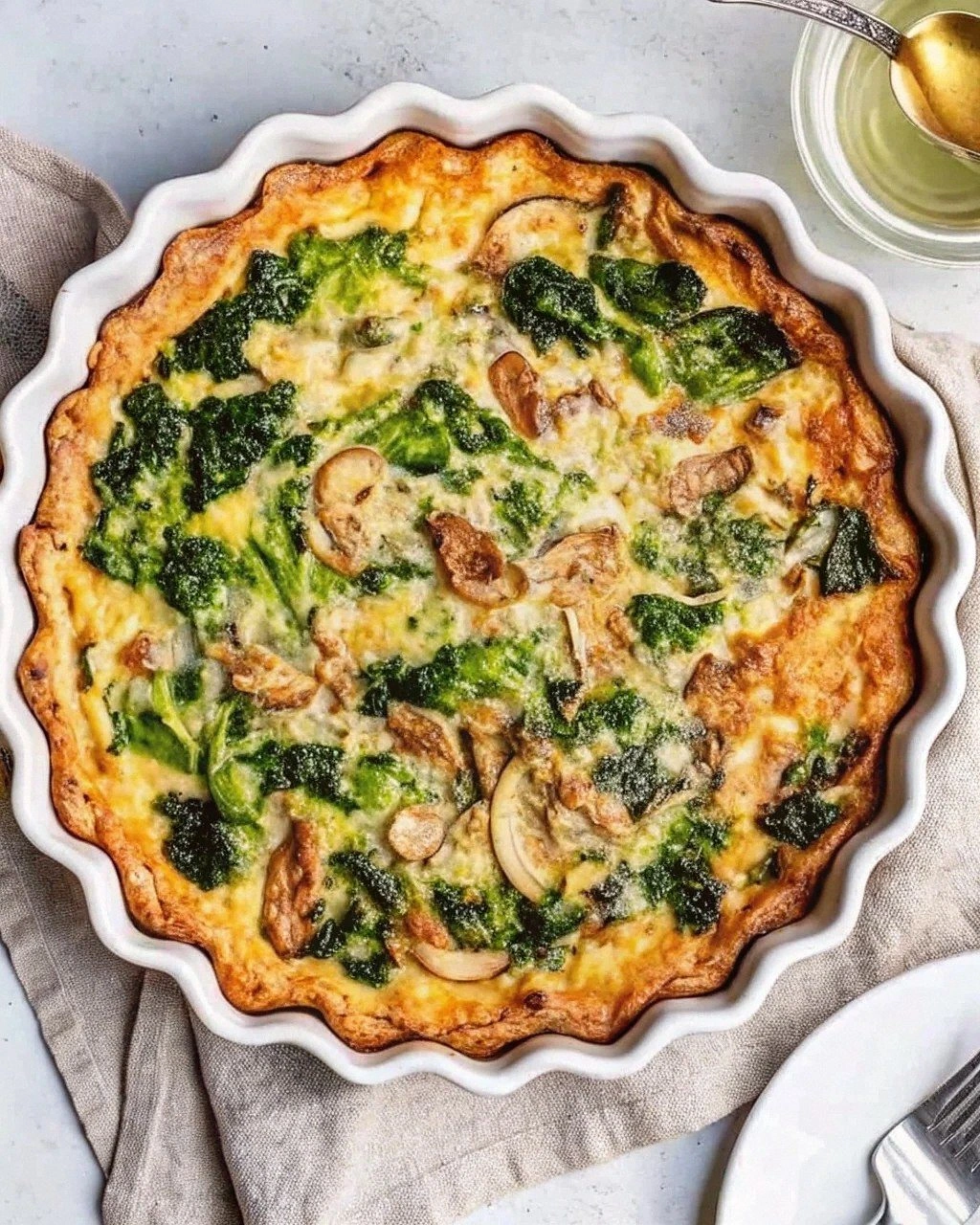
I still remember the first time I tried to impress my future mother-in-law with a quiche. The kitchen looked like a flour bomb had detonated, my crust had shrunk into something resembling a sad frisbee, and the filling was oozing out like it was trying to escape. Fast forward through three years of obsessive testing, countless burned fingers, and one particularly memorable incident involving a smoke alarm and a squirrel outside the window (long story), and I've finally cracked the code to what I genuinely believe is the most foolproof, delicious spinach and mushroom quiche you'll ever make. Picture this: a buttery, flaky crust that actually stays put, a custard filling so silky it makes silk jealous, and those perfect little pockets of earthy mushrooms and vibrant spinach that make each bite feel like you're dining in a Parisian café rather than your own kitchen.
What started as a desperate attempt to recreate my grandmother's legendary quiche has turned into my signature dish, the one friends request for brunch, the one I make when I need comfort food, and yes, the one that finally won over my mother-in-law (she asked for the recipe, which in my family is basically equivalent to a Michelin star). The magic isn't in some fancy technique or impossible-to-find ingredient — it's in understanding why each step matters, knowing when to break the rules, and having a few tricks up your sleeve that turn an ordinary quiche into something that makes people close their eyes and sigh contentedly.
I've made this quiche for everything from baby showers to funeral receptions, from romantic date nights to "I just need something delicious in my face" Tuesday afternoons. It's the little black dress of the food world — appropriate anywhere, customizable to your mood, and guaranteed to make you feel like you've got your life together even when you're eating it straight from the pan in your pajamas. The best part? Once you understand the method, you can freestyle like a jazz musician, swapping ingredients based on what's in your fridge or what looked good at the farmer's market.
But here's the thing that really makes this recipe special: it's not just about following steps, it's about understanding the why behind each one. Why we blind-bake the crust (trust me, soggy bottoms are nobody's friend), why we sauté the mushrooms separately (they release so much water it would drown your custard), why the temperature dance matters more than you'd think. Let me walk you through every single step — by the end, you'll wonder how you ever made it any other way.
What Makes This Version Stand Out
Flavor Explosion: Most quiches taste like someone waved a flavor wand vaguely in the direction of an egg. This one packs a punch with deeply caramelized mushrooms, garlic-sautéed spinach, and the perfect balance of cheeses that actually taste like something. Each forkful delivers layers of flavor that build on each other like a well-orchestrated symphony.
Texture Perfection: We're talking about a custard that's set but still jiggles like a perfectly confident person walking into a room — firm enough to hold its shape but soft enough to melt on your tongue. The crust shatters delicately under your fork, giving way to that creamy interior in a way that makes your mouth incredibly happy.
Foolproof Technique: I've eliminated every possible failure point. No more guessing if your custard is done, no more blind-baking disasters, no more watery vegetables sinking to the bottom. This method works every single time, even if you're the kind of person who burns water.
Make-Ahead Magic: This quiche actually gets better after a day in the fridge. The flavors meld and deepen, making it the perfect dish for entertaining since you can do all the work ahead of time and just reheat gently. I've served this at room temperature after eight hours and people still lost their minds over it.
Ingredient Flexibility: Once you master the base, you can swap in whatever vegetables are languishing in your crisper drawer or whatever cheese is calling your name from the dairy aisle. The technique stays the same, but the flavor possibilities are endless.
Impressive Presentation: Despite being incredibly simple to make, this quiche looks like something from a French bakery. The golden top, the way it slices cleanly, the beautiful contrast of colors — it's Instagram-worthy without being pretentious.
Comfort Factor: There's something deeply satisfying about quiche that goes beyond mere nutrition. It's the food equivalent of a warm hug from someone who really means it. Every time I make this, someone asks for the recipe, and every time, they tell me later that it became their new favorite comfort food too.
Alright, let's break down exactly what goes into this masterpiece...
Inside the Ingredient List
The Foundation Players
The flour in your crust isn't just there for structure — it's the difference between a pastry that shatters beautifully and one that tastes like cardboard. I use good old all-purpose flour because it strikes the perfect balance between tenderness and structure, but here's the secret: I replace two tablespoons with cornstarch. This little trick makes the crust more tender without compromising its ability to hold all that creamy filling.
Butter is where most recipes go wrong. They tell you to use cold butter, but they don't tell you why or how cold or what happens if your kitchen is warmer than a sauna in July. You want your butter so cold that when you cut it into the flour, it stays in little pea-sized pieces. These pieces melt during baking, creating steam pockets that translate to flakiness. If your butter starts getting soft while you're working it, just pop the whole bowl in the freezer for five minutes. Your future self will thank you.
The ice water is non-negotiable, but here's what nobody mentions: add one teaspoon of apple cider vinegar to it. The acid helps tenderize the gluten in the flour, giving you a more tender crust that's still sturdy enough to hold the filling. Don't worry, you won't taste it in the final product, but you'll definitely notice the difference in texture.
The Flavor Makers
Mushrooms are like little sponges of potential deliciousness, but only if you treat them right. I use a mix of cremini and shiitake because they bring different things to the party — cremini for that deep, earthy base note and shiitake for that mysterious umami that makes people ask "what's in this?". The key is cooking them until they've given up all their moisture and started to caramelize. This concentrates their flavor and prevents your quiche from getting watery.
Fresh spinach might seem like a pain compared to frozen, but the flavor difference is like comparing a garden to a piece of green paper. Fresh spinach wilts down to almost nothing, but it retains that bright, mineral flavor that makes the whole quiche taste alive. Plus, when you sauté it with garlic and a pinch of nutmeg (trust me on this), it transforms into something magical that frozen spinach can only dream about.
Shallots are my secret weapon here. They're like onions that went to finishing school — all the flavor but none of the harshness. When you sauté them until they're translucent and just starting to turn golden, they melt into the background and provide a subtle sweetness that makes everything else taste more like itself.
The Creamy Dream Team
Heavy cream versus whole milk is a battle I've fought many times, and heavy cream wins every single time. Sure, you could use milk and save some calories, but then you'd be eating an omelet in a pie crust instead of the luxurious custard that makes quiche worth making. The high fat content prevents the eggs from curdling, giving you that silky texture that makes people close their eyes when they take a bite.
Eggs are obviously crucial, but it's not just about how many — it's about how you treat them. Room temperature eggs incorporate more smoothly into the cream, preventing lumps and ensuring even cooking. If you forgot to take them out ahead of time (we've all been there), just put them in a bowl of warm water for five minutes while you prep everything else.
Cheese is where you can really make this quiche your own. I use a combination of Gruyère for its nutty complexity and a touch of Parmesan for its salty depth. The Gruyère melts beautifully into the custard, while the Parmesan adds little pockets of intense flavor. Avoid pre-shredded cheese — it's coated with cellulose that prevents it from melting smoothly.
The Unexpected Stars
Nutmet is probably the most overlooked ingredient in quiche, but just a pinch transforms the whole dish. It adds warmth and complexity that makes people ask what your secret is. Don't go overboard — you want people to wonder what that intriguing background note is, not feel like they're eating pumpkin pie.
White pepper instead of black keeps the appearance clean while adding a subtle heat that builds slowly. It's the difference between a quiche that looks sophisticated and one that looks like it's got freckles. Plus, white pepper has this earthy complexity that plays beautifully with the mushrooms.
Everything's prepped? Good. Let's get into the real action...
The Method — Step by Step
Start with the crust because it needs time to chill and blind-bake. In a large bowl, whisk together your flour, cornstarch, and salt. Now here's where people mess up — they cut the butter too small too fast. You want to work quickly, cutting the cold butter into the flour using a pastry cutter or your fingers until you have pieces ranging from pea-sized to almond-sized. This variation in size creates different layers of flakiness. The whole process should take less than two minutes — any longer and your butter starts warming up, which is the enemy of flakiness.
Drizzle in your ice-cold vinegar water one tablespoon at a time, mixing with a fork just until the dough starts to come together. You might not need all the water, or you might need a splash more — flour humidity varies. The dough should look shaggy and barely hold together when squeezed. Turn it out onto a lightly floured surface and bring it together with your hands, being careful not to overwork it. Flatten into a disk, wrap in plastic wrap, and refrigerate for at least 30 minutes. This resting period allows the gluten to relax and the butter to firm up again.
Roll out your dough on a lightly floured surface, rotating it a quarter turn after each roll to prevent sticking and ensure even thickness. You're aiming for about 12 inches in diameter and 1/8-inch thick. Transfer to your 9-inch tart pan by rolling the dough around your rolling pin and unrolling it over the pan. Gently press it into the corners and up the sides, making sure there are no air bubbles. Trim the excess, leaving about 1/2 inch overhang to account for shrinkage.
Here's the game-changer: freeze your crust for 15 minutes before blind-baking. This sets the butter and prevents shrinking. Line the crust with parchment paper and fill with pie weights or dried beans, making sure they go all the way up the sides. Bake at 375°F for 20 minutes, then carefully remove the weights and parchment. Brush the entire crust with a beaten egg white — this creates a moisture barrier. Return to the oven for another 5-7 minutes until just starting to turn golden. Let it cool while you prepare the filling.
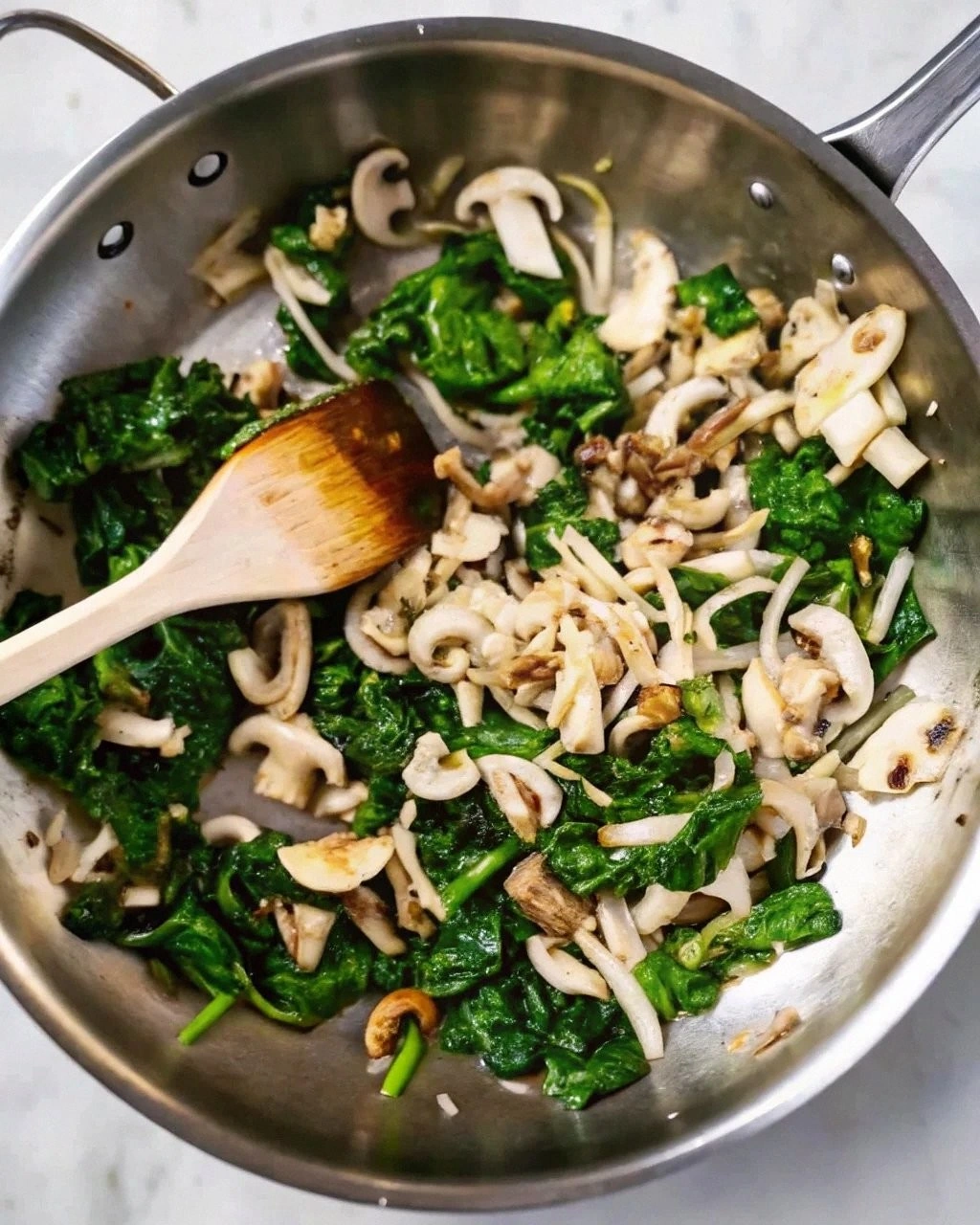
While your crust is baking, start on the vegetables. Heat a large skillet over medium-high heat and add your mushrooms in a single layer. Don't stir them for the first 3 minutes — you want them to develop that gorgeous caramelization. Once they've released their moisture and it's evaporated, add a tablespoon of butter and continue cooking until they're golden brown and concentrated. Remove to a bowl.
In the same pan, add another tablespoon of butter and your minced shallots. Cook until translucent, about 2 minutes, then add your garlic and cook for another 30 seconds until fragrant. Add the spinach in batches, letting each addition wilt before adding more. Season with salt, pepper, and that crucial pinch of nutmeg. Once all the spinach is wilted and any liquid has evaporated, remove from heat and let cool slightly.
Now for the custard — and this is where most recipes go wrong. In a large bowl, whisk together your eggs, cream, salt, white pepper, and a few gratings of fresh nutmeg. You want to whisk just until combined, not until frothy. Over-whisking incorporates air, which can cause your quiche to puff up like a balloon then collapse into a rubbery mess. Stir in your cheeses, reserving a small handful for the top.
Assemble your masterpiece: Scatter the mushroom mixture evenly over the bottom of your cooled crust, followed by the spinach mixture. Slowly pour the custard over everything, letting it settle and fill in the gaps. Give the pan a gentle tap on the counter to release any air bubbles, then sprinkle the reserved cheese on top.
Bake at 325°F for 35-45 minutes. Here's the thing — everyone's oven is different, so start checking at 30 minutes. You're looking for the center to jiggle slightly when you gently shake the pan, like gelatin. If it sloshes, it's not done. If it doesn't move at all, it's overbaked. The edges should be puffed and golden, and a knife inserted near the center should come out mostly clean with just a few moist crumbs.
The hardest part: waiting. Let your quiche rest for at least 15 minutes before slicing. I know it smells incredible and you're dying to dig in, but this resting time allows the custard to finish setting and makes the difference between clean slices and a mess on your plate. Use this time to set the table, pour some wine, or just bask in the admiration of anyone lucky enough to be sharing this with you.
That's it — you did it. But hold on, I've got a few more tricks that'll take this to another level...
Insider Tricks for Flawless Results
The Temperature Rule Nobody Follows
Room temperature ingredients aren't just a suggestion — they're the difference between silky smooth custard and lumpy disappointment. Cold eggs hit warm cream and immediately start to cook, creating little scrambled egg bits in your mixture. Cold cream takes longer to incorporate, meaning you have to whisk more, which incorporates air and leads to that puffed-up, rubbery texture we talked about. Take everything out of the fridge 30 minutes before you start, or use my speed method: submerge your eggs in warm water and microwave your cream for 15 seconds. Your custard will be impossibly smooth.
Why Your Nose Knows Best
Forget timers — your nose is the best tool for knowing when your quiche is done. When you smell that intoxicating aroma of butter, eggs, and cheese wafting from the oven, start checking. It's like your kitchen is telling you a secret. This usually happens about 5 minutes before the timer goes off. Combine this with the jiggle test and you'll never overbake again. A friend tried skipping this step once — let's just say it didn't end well for her quiche or her dinner party reputation.
The 5-Minute Rest That Changes Everything
After baking, turn off the oven and crack the door open, letting your quiche cool gradually for 5 minutes before removing it. This prevents the thermal shock that can cause cracks on top and helps the custard finish cooking gently. It's like sending your quiche to a spa before presenting it to the world. This tiny step is the difference between amateur and professional results.
The Cheese Grating Revelation
Grate your cheese fresh, and grate it fine. Pre-shredded cheese is coated with cellulose that prevents it from melting smoothly into your custard. Fine grating ensures it melts evenly throughout, creating those little pockets of cheesy goodness rather than chunky bits. Plus, fresh cheese has so much more flavor that you'll wonder why you ever bought the pre-shredded stuff. I dare you to taste this and not go back for seconds.
The Make-Ahead Miracle
This quiche actually improves overnight. The flavors meld and deepen, making it perfect for entertaining. Bake it the day before, let it cool completely, then refrigerate. Bring it back to room temperature before serving, or warm it gently in a 275°F oven for 15 minutes. Picture yourself pulling this out of the oven the next morning, the whole kitchen smelling incredible while you're still in your pajamas, looking like you have your life completely together.
Creative Twists and Variations
This recipe is a playground. Here are some of my favorite ways to switch things up:
The Mediterranean Escape
Swap the mushrooms for sun-dried tomatoes and artichoke hearts, use feta instead of Gruyère, and add a handful of fresh herbs like oregano and basil. The bright, tangy flavors transport you straight to a Greek island, even if you're eating it in your car during your lunch break. Add some Kalamata olives for extra briny goodness.
The Bacon Lover's Dream
Render some bacon until crispy, use the fat to sauté your vegetables, and crumble the bacon into the filling. Use sharp cheddar instead of Gruyère for that classic bacon-cheddar combo that makes grown adults weep with joy. Add a dash of smoked paprika to really amplify the smoky goodness.
The Green Goddess
Load it up with asparagus, peas, and fresh herbs like tarragon and chives. Use goat cheese for tang and add a handful of fresh spinach for color. This springtime version tastes like eating a garden in the best possible way. It's so fresh and vibrant, you'll feel healthier just looking at it.
The French Onion Remix
Caramelize onions until they're deep golden and sweet, use them instead of mushrooms, and add fresh thyme. Top with Gruyère and a little caramelized onion jam for extra oniony goodness. It's like French onion soup met quiche and had a beautiful baby.
The Spicy Southwest
Add roasted poblano peppers, swap in pepper jack cheese, and season with cumin and coriander. Top with fresh cilantro and serve with salsa on the side. This version has just enough heat to keep things interesting without overwhelming the delicate custard.
The Truffle Shuffle
Use a mix of wild mushrooms and finish with a drizzle of truffle oil. Use a combination of Gruyère and fontina for maximum meltiness. This is the version you make when you want to feel fancy without actually doing anything complicated. Just a few drops of truffle oil make the whole thing taste like it costs $25 a slice.
Storing and Bringing It Back to Life
Fridge Storage
Cooled quiche keeps beautifully in the fridge for up to 4 days. Wrap it tightly in plastic wrap or store in an airtight container. The flavors actually develop and improve over the first day or two. If you've stored it whole, you can reheat it in a 275°F oven for about 20 minutes. If you're reheating individual slices, the microwave works fine, but add a small splash of water and cover with a damp paper towel to prevent it from drying out.
Freezer Friendly
This quiche freezes like a dream. Let it cool completely, then wrap individual slices or the whole thing in plastic wrap followed by foil. It'll keep for up to 2 months in the freezer. Thaw overnight in the fridge, then reheat gently. The texture suffers slightly, but it's still miles better than most quiches you've had. Pro tip: underbake it by 5 minutes if you plan to freeze it, so it doesn't get rubbery when reheated.
Best Reheating Method
The oven is your friend here. Preheat to 275°F and heat for 15-20 minutes until warmed through. If you're in a hurry, the microwave works, but add a tiny splash of water before covering and heating for 30-45 seconds. This creates steam that helps restore the creamy texture. Never reheat at high temperatures — that's how you end up with rubbery eggs and a soggy crust. Low and slow is the name of the game.