I was standing in my tiny kitchen, the timer on my old oven buzzing like an over‑excited bee, when a sudden craving for something that could both scream summer and whisper elegance hit me like a wave. I had tried a dozen macarons before—some were airy, some were flat, most were just plain disappointment—but none ever managed to capture that bright, citrusy zing that makes you think of a Florida beach at sunset. The kitchen was a mess of powdered sugar clouds, cracked egg‑white shells, and a half‑finished batch of buttercream that smelled like a tropical breeze gone rogue. I dared a friend to taste my first attempt and not beg for a second round, and she actually did—she was speechless, which is the highest compliment a macaron can receive.
Picture this: the moment you open the oven, a soft hissing sigh escapes, and the air is instantly perfumed with toasted almond and a faint citrus perfume that makes your nose do a little happy dance. The shells, once they’ve cooled, have that perfect glossy sheen that catches the light like tiny emerald seashells, while the interiors are tender enough to melt on your tongue but sturdy enough to hold a generous dollop of lime‑infused buttercream. When you bite, the first thing you notice is the delicate snap of the shell, followed by a buttery, slightly chewy center that erupts with a bright, tangy key‑lime burst—like a fireworks show in your mouth. I’ll be honest—I ate half the batch before anyone else got a chance, and that’s a confession I’m not ashamed to make.
Most macaron recipes either over‑sweeten the whole thing or completely miss the lime balance, leaving you with a flavor that feels either too cloying or too bland. This version, however, uses freshly grated key‑lime zest and a splash of pure key‑lime juice in the buttercream, creating a tang that cuts through the sweetness without ever feeling harsh. The secret? A tiny dash of cream of tartar in the meringue that stabilizes the peaks and a precise “macaronage” technique that ensures the batter spreads just enough to form the iconic smooth top. I dare you to taste this and not go back for seconds; the combination is addictive in the best possible way.
Let me walk you through every single step—by the end, you’ll wonder how you ever made macarons any other way. Okay, ready for the game‑changer? This next part? Pure magic. Stay with me here — this is worth it.
What Makes This Version Stand Out
- Flavor: The key‑lime buttercream delivers a bright, citrus punch that balances the almond sweetness of the shells, creating a harmonious duet that sings on the palate.
- Texture: Each shell boasts a crisp, airy exterior that snaps cleanly, while the interior remains chewy enough to cradle the buttercream without collapsing.
- Simplicity: Despite the reputation of macarons as a pastry chef’s nightmare, this recipe uses everyday tools—a hand mixer, a silicone mat, and a trusty piping bag—making it accessible to home bakers.
- Uniqueness: The use of genuine key‑lime zest (not the bottled stuff) gives an authentic tropical vibe that ordinary lime extracts can’t replicate.
- Crowd Reaction: Serve these at a party and watch guests line up for seconds; they’ll be bragging about “the best macarons ever” for weeks.
- Ingredient Quality: Fine‑ground almond flour and superfine confectioners’ sugar ensure a smooth batter that prevents those dreaded “humps” on the shell surface.
- Method: A gentle macaronage technique prevents over‑mixing, guaranteeing the perfect “feet” that rise like tiny marble arches.
- Make‑Ahead Potential: The shells keep for up to a week in an airtight container, and the buttercream can be frozen, so you can prep ahead for any event.
Inside the Ingredient List
The Flavor Base
Key‑lime zest is the star of the show; its aromatic oils sit on the surface of the buttercream, releasing a perfume that’s both citrusy and slightly floral. If you skip the zest and rely only on juice, you lose that aromatic lift, and the buttercream can taste flat. A good tip is to zest the limes before juicing them—this prevents the juice from turning bitter. For the most vibrant flavor, use fresh key limes; they’re smaller than regular limes but pack a more intense, aromatic punch.
Key‑lime juice adds that sharp tang that cuts through the sweetness of the shells. Too much juice can make the buttercream runny, so measure carefully. If you can’t find key limes, a mix of regular lime juice and a splash of orange zest can mimic the complex profile, though it won’t be quite the same.
The Texture Crew
Almond flour is the backbone of any macaron; it gives the shell its characteristic nutty flavor and delicate crumb. Using a low‑quality, coarse almond flour will leave you with gritty shells and uneven rise. Always opt for a finely ground, blanched almond flour, and give it a quick pulse in a food processor if you need extra fineness. This step is crucial because the smoother the flour, the smoother the shell.
Powdered sugar, also called confectioners’ sugar, works hand‑in‑hand with almond flour to create the dry mixture that will be folded into the meringue. It’s essential to sift it at least once, preferably twice, to avoid any gritty texture. If you notice any lumps, the shells will develop those dreaded “humps” that look like a mountain range rather than a smooth dome.
The Unexpected Star
Cream of tartar is a tiny white powder that stabilizes the meringue, preventing it from weeping and ensuring glossy peaks. Without it, the egg whites can become over‑soft, leading to flat shells that never develop proper “feet.” A pinch (about 1/8 tsp) is enough for a batch of 20 shells, and it’s a cost‑effective secret weapon that professional pâtissiers swear by.
Unsalted butter, when creamed with powdered sugar and lime juice, forms a rich, silky buttercream that holds its shape at room temperature. If you use salted butter, you’ll need to cut back on added salt, otherwise the flavor can become unexpectedly briny. For an even smoother texture, melt the butter gently before incorporating it with the sugar; this prevents any grainy spots.
The Final Flourish
A dash of vanilla extract adds depth, rounding out the bright lime notes with a subtle sweetness that feels comforting. It’s a small addition, but it makes the flavor profile feel complete rather than one‑note. If you’re feeling adventurous, a whisper of orange blossom water can elevate the citrus experience to a sophisticated level.
A pinch of salt, even if it seems negligible, amplifies the overall flavor and balances the sweetness of the buttercream. Skipping it can make the macarons taste flat, as salt is a flavor enhancer that works on a molecular level.
Everything's prepped? Good. Let’s get into the real action...
The Method — Step by Step
Separate the egg whites from the yolks, making sure no yolk contaminates the whites; even a speck of fat will sabotage the meringue. Place the whites in a clean, dry mixing bowl, add a pinch of cream of tartar, and begin beating on low speed. As the whites become frothy, increase to medium‑high and watch them form soft peaks. When you lift the whisk, the peaks should form a gentle “V” shape, and the mixture should look like a cloud ready to burst.
Gradually sprinkle the granulated sugar over the whisked whites, a tablespoon at a time, allowing each addition to dissolve before the next. This slow incorporation creates a glossy, stable meringue that will hold its shape.
Keep beating until the meringue reaches stiff peaks—when you flip the bowl, the peaks should stand tall without wobbling.Kitchen Hack: Use a kitchen scale for the sugar; precise weight prevents over‑sweetening and ensures consistent peaks.While the meringue rests, sift together the almond flour and powdered sugar twice into a large bowl; this creates a fine, uniform powder that will blend seamlessly. Add the key‑lime zest to the sifted mixture and give it a gentle toss so the zest is evenly distributed. The zest will later infuse the shells with that aromatic citrus lift.
Now comes the macaronage: pour about one‑third of the meringue onto the dry mixture and start folding with a rubber spatula. The motion is a gentle, circular fold—think of coaxing a shy cat, not slamming a door.
Continue folding until the batter flows like lava—slowly, it should form a thick ribbon that falls back onto itself without breaking.Watch Out: Over‑mixing will cause the batter to become runny, leading to flat shells; under‑mixing leaves a gritty texture and prevents the “feet” from forming.Transfer the batter into a piping bag fitted with a ½‑inch round tip. Pipe 1‑inch circles onto a silicone mat, spacing them about an inch apart to allow room for spreading. Tap the tray gently on the counter three times to release any air bubbles.
Let the shells rest at room temperature for 30‑45 minutes, or until a thin skin forms—touch the surface; it should feel dry and not stick to your fingertip.Kitchen Hack: Pipe onto parchment paper if you don’t have a silicone mat; the parchment will still give a smooth base and prevent sticking.Preheat your oven to 300°F (150°C). Place the tray on the middle rack and bake for 15‑18 minutes. You’ll know they’re done when the shells have risen slightly, the tops are matte, and the “feet” have formed a delicate ruffle. Do not open the oven door during the first 12 minutes; the sudden temperature drop can cause the shells to crack.
While the shells cool, prepare the key‑lime buttercream. Cream the softened butter in a stand mixer on medium speed until pale and fluffy, about 2‑3 minutes. In a separate bowl, whisk together powdered sugar, key‑lime juice, and zest until smooth. Gradually add the sugar mixture to the butter, beating on low then medium speed until the buttercream is light, airy, and holds soft peaks. If the buttercream feels too soft, refrigerate for 10 minutes before piping.
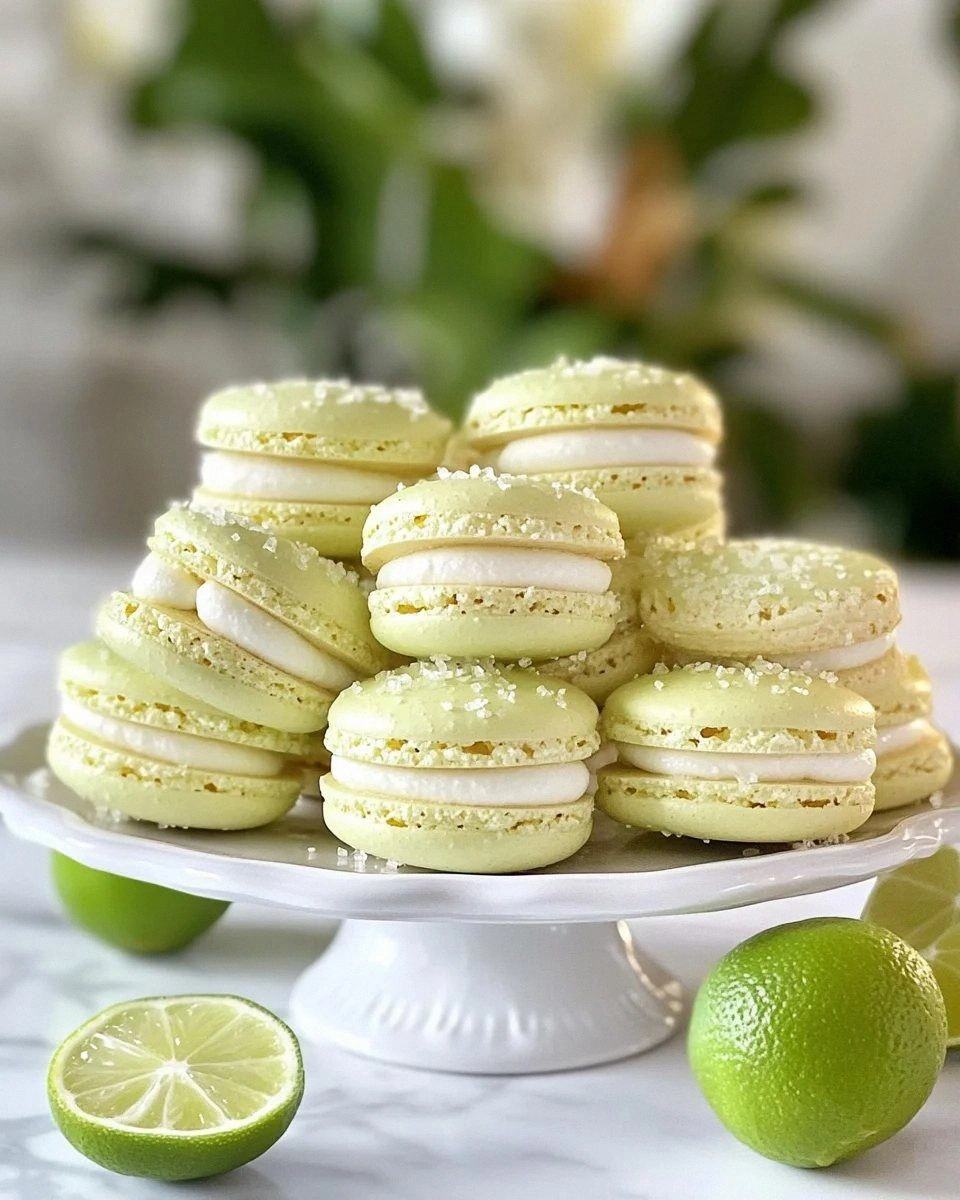
Pair the shells: match them by size and shape, then pipe a generous dollop of buttercream onto the flat side of one shell and sandwich it with its partner. Press gently so the buttercream spreads to the edges but doesn’t ooze out. The final product should look like tiny emerald‑green jewels, each with a glossy top and a subtle “foot” that hints at the perfect bake.
That's it — you did it. But hold on, I've got a few more tricks that'll take this to another level...
Insider Tricks for Flawless Results
The Temperature Rule Nobody Follows
Macarons are temperature‑sensitive creatures; the ideal oven temperature can vary by as much as 10°F depending on humidity. If you live in a humid climate, lower the oven by 5‑10°F; if it’s dry, bump it up slightly. I once baked a batch in a steamy summer kitchen and the shells came out flat—after adjusting the temperature, they rose like tiny marble arches. Trust your oven’s thermostat, but always keep a thermometer handy for precision.
Why Your Nose Knows Best
Before you even open the oven, sniff the air. A properly baked macaron shell gives off a faint, nutty aroma with a hint of caramelized sugar. If you smell burnt sugar, the oven is too hot; if you smell nothing, the shells haven’t set enough. This sensory cue can save you from a batch of over‑cooked, brittle shells.
The 5‑Minute Rest That Changes Everything
After piping, let the shells rest for exactly 30‑45 minutes, but don’t guess—use a timer. This “skin” formation is what prevents cracks during baking. I once rushed this step and ended up with a crusty top that cracked like a dried riverbed. Patience here pays off in smooth, glossy shells that hold their shape beautifully.
The Buttercream Temperature Trick
If your buttercream is too soft, refrigerate it for 5‑10 minutes, then give it a quick whisk before piping. Too stiff? Let it sit at room temperature for a few minutes. This temperature dance ensures the buttercream spreads evenly without breaking the delicate shells. A friend once tried piping a chilled buttercream straight away; the result was a cracked, uneven sandwich that fell apart on the plate.
The “Foot” Checkpoint
After baking, the “feet” should be visible as a small ruffle at the base of each shell. If they’re missing, you likely over‑mixed the batter or baked at too low a temperature. The foot is the hallmark of a successful macaron; it’s the structural support that keeps the shell from collapsing under the buttercream’s weight.
Creative Twists and Variations
This recipe is a playground. Here are some of my favorite ways to switch things up:
Coconut‑Lime Dream
Swap half of the almond flour for finely shredded coconut, and add a teaspoon of toasted coconut flakes to the buttercream. The result is a tropical duet where coconut’s sweet nuttiness amplifies the lime’s brightness, perfect for a beach‑themed party.
Matcha‑Lime Fusion
Incorporate 1 teaspoon of matcha powder into the dry almond‑sugar mixture for a subtle earthy undertone. The green hue of the matcha pairs visually with the lime, and the flavor contrast is surprisingly harmonious, appealing to fans of Japanese‑inspired desserts.
Spiced Rum Lime
Add a tablespoon of dark rum and a pinch of ground cinnamon to the buttercream. The rum deepens the citrus, while cinnamon adds warmth, turning the macarons into an adult‑only treat that’s perfect for holiday gatherings.
White Chocolate Lime
Melt ½ cup of white chocolate and fold it into the buttercream along with the lime zest. The silky chocolate adds richness, making the bite feel luxurious without masking the lime’s zing.
Berry‑Infused Lime
Puree fresh strawberries or raspberries and swirl a teaspoon into the buttercream. The berry’s sweet‑tart profile complements the lime, creating a vibrant pink‑green color combo that looks as good as it tastes.
Storing and Bringing It Back to Life
Fridge Storage
Place the assembled macarons in an airtight container and store them in the refrigerator for up to 5 days. The cool environment keeps the buttercream firm while allowing the shells to stay moist. Before serving, let them sit at room temperature for 20‑30 minutes so the buttercream softens and the flavors bloom.
Freezer Friendly
Both the shells and the buttercream freeze beautifully. Store the shells in a zip‑top bag with a layer of parchment between each to prevent sticking. Freeze the buttercream in a small airtight container. When ready to use, thaw the buttercream in the fridge, then bring it to room temperature and re‑whip briefly before piping.
Best Reheating Method
If your macarons have hardened after refrigeration, place them on a baking sheet and give them a gentle 5‑minute warm‑up in a 250°F (120°C) oven. Add a tiny splash of water to the tray (just a few drops) to create steam; this revives the shell’s softness without melting the buttercream.