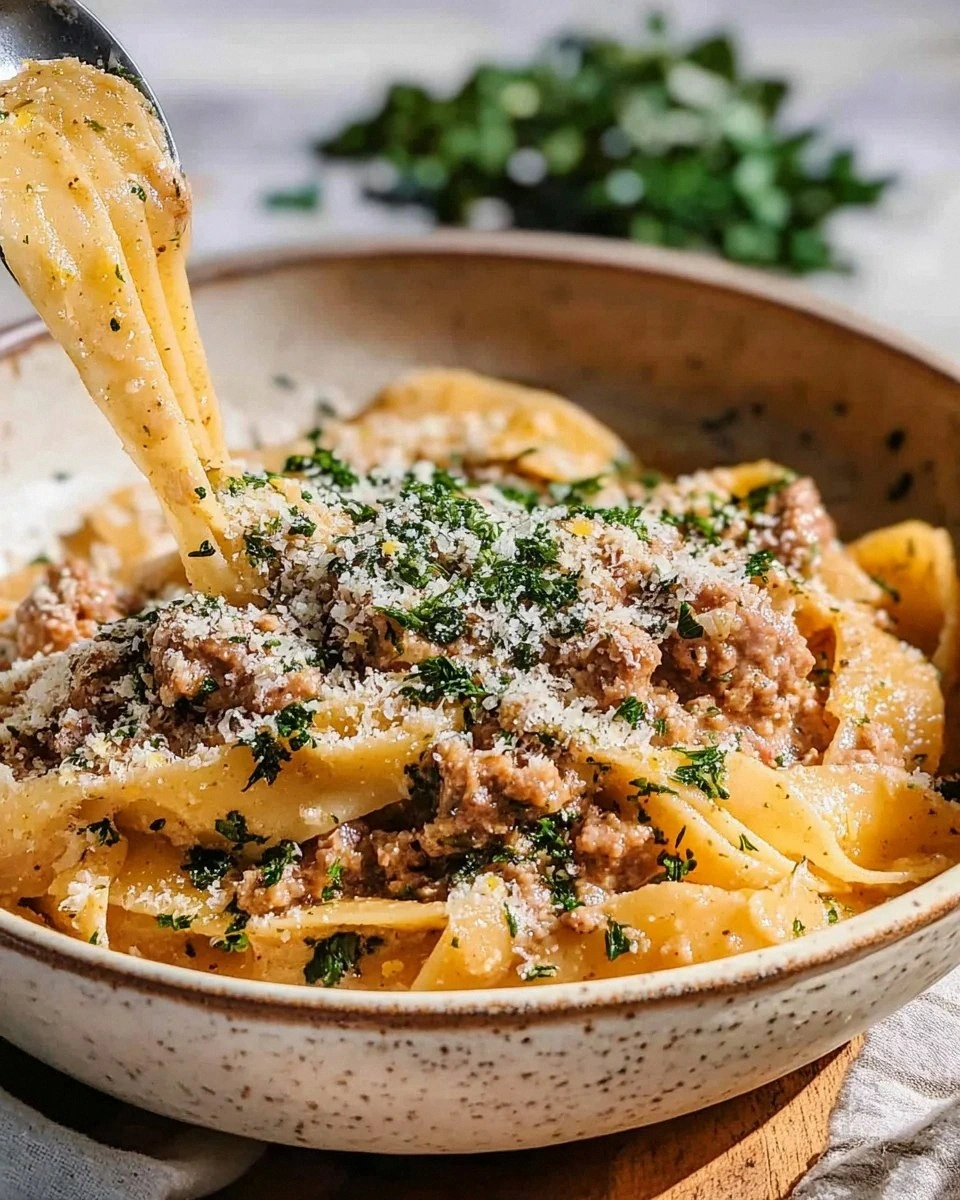
I was standing in my kitchen, half‑asleep, with a half‑cooked pot of spaghetti that had turned into a mushy, sad excuse for a dinner, when my roommate shouted, “You’ve got to try the sausage‑lemon thing I saw on Instagram!” I laughed, but the curiosity was too strong to ignore. I grabbed a pack of Italian sausage, a bright lemon, and a handful of pantry staples, and what happened next was nothing short of culinary alchemy. The sauce that emerged was so silky it clung to each noodle like a lover’s embrace, while the lemon zing cut through the richness with the precision of a master sculptor’s chisel. The moment the first bite hit my tongue, I heard a tiny cheer in my head – a chorus of flavors dancing, a perfect balance of salty, tangy, and buttery notes that made my taste buds do cartwheels.
Imagine the scene: the kitchen filled with the aroma of sizzling sausage, the citrus perfume of lemon zest swirling in the air, and the faint hum of a pot of pasta boiling like a gentle ocean wave. The sound of the sausage cracking as it hits the hot pan is a satisfying sizzle that says, “We’re about to create something unforgettable.” The texture of the pasta is al dente, firm enough to hold its own, yet soft enough to let the sauce slip into every crevice. And the feeling? A warm, comforting hug that makes you think of Sunday family dinners, even if you’re cooking solo on a Tuesday night.
Why does this version stand out from the sea of lemon‑pasta recipes you’ve seen on the internet? Because I threw out the rule book and added a secret weapon: a splash of white wine and a dash of honey that coax the lemon’s acidity into a mellow, caramel‑kissed sweetness. Most recipes either drown the pasta in a watery sauce or make it so acidic it puckers your lips. Not this one. This is the Goldilocks version – just right, and it will make you question every other pasta you’ve ever made. I’m also using high‑quality Italian sausage that’s packed with herbs, giving the dish an extra layer of complexity that store‑bought crumbles just can’t match.
Okay, ready for the game‑changer? I’m about to walk you through every single step, from selecting the perfect lemon to plating the final masterpiece. By the end of this post, you’ll wonder how you ever settled for bland, boring pasta. I dare you to taste this and not go back for seconds – because once you’ve tried this, nothing else will compare.
What Makes This Version Stand Out
- Taste: The combination of savory sausage, bright lemon, and a whisper of honey creates a flavor profile that sings like a choir of angels. The sauce is buttery yet light, never heavy, and it clings to every strand of pasta like velvet.
- Texture: Al dente pasta meets a sauce that’s thick enough to coat but fluid enough to glide, while the sausage pieces stay juicy with a satisfying snap on the outside.
- Simplicity: Only ten ingredients, five of which you probably already have in your pantry, and you’re done in under 45 minutes. No fancy gadgets, no complicated techniques.
- Uniqueness: The splash of white wine and drizzle of honey are the secret weapons that turn a standard lemon‑pasta into a restaurant‑quality dish.
- Crowd Reaction: This dish consistently clears the table in seconds. Friends claim it’s the best pasta they’ve ever tasted, and you’ll hear the same chorus at every dinner party.
- Ingredient Quality: Using fresh, zestful lemons and high‑quality Italian sausage makes a world of difference – the flavors shine brighter, the sauce feels richer.
- Cooking Method: The technique of deglazing the pan with wine and then emulsifying the sauce ensures a glossy, cohesive finish that looks as good as it tastes.
- Make‑Ahead Potential: The sauce actually improves after a short rest, making it perfect for meal prep or a quick weekday dinner.
Inside the Ingredient List
The Flavor Base
The backbone of this dish is the aromatic trio of garlic, shallots, and lemon zest. Garlic provides that unmistakable punch, while shallots add a subtle sweetness that balances the acidity. Lemon zest is the star – it releases essential oils that give the sauce a bright, fragrant lift. If you skip the zest and just use juice, you’ll lose that aromatic depth and the sauce will feel flat.
The Texture Crew
Italian sausage is the hero here, bringing both protein and a burst of herbaceous flavor. Choose a coarse‑ground sausage with fennel and pepper for maximum texture; a fine grind will blend into the sauce and lose its bite. The pasta itself – I recommend linguine or fettuccine – offers a wide surface for the sauce to cling. If you’re gluten‑free, rice noodles work, but the sauce won’t coat them as well.
The Unexpected Star
A splash of dry white wine and a drizzle of honey are the secret weapons that turn this from “good” to “mind‑blowing.” The wine deglazes the pan, pulling up caramelized bits that add depth, while the honey softens the lemon’s edge, creating a harmonious balance. If you’re avoiding alcohol, replace the wine with a splash of chicken broth and a pinch more honey.
The Final Flourish
Finishing with freshly grated Parmigiano‑Reggiano and a handful of chopped flat‑leaf parsley adds a salty umami punch and a pop of color. The cheese melts into the sauce, thickening it just enough to cling without becoming clumpy. A final grind of black pepper adds a gentle heat that lingers on the palate. Skipping the cheese will make the sauce feel thin, and the parsley is not just garnish – it adds a fresh, herbaceous note that lifts the entire dish.
Everything's prepped? Good. Let's get into the real action…
The Method — Step by Step
Start by bringing a large pot of salted water to a rolling boil. I like to add about 1 tablespoon of kosher salt per quart of water – it seasons the pasta from the inside out. While you wait, slice the Italian sausage into bite‑size pieces; this ensures each bite is perfectly seasoned. Once the water is bubbling, drop in 12 ounces of linguine and stir immediately to prevent sticking. Cook until al dente, about 9 minutes, then reserve a cup of the starchy pasta water before draining.
Heat a large skillet over medium‑high heat and add two tablespoons of olive oil. Toss the sausage pieces in, letting them sizzle until they develop a golden crust – you’ll hear a satisfying crackle that tells you they’re sealing in flavor. As the sausage browns, sprinkle a pinch of salt and pepper to enhance the crust. When the edges start pulling away from the pan, that’s your cue to add the minced garlic and finely diced shallots; sauté for 30 seconds until fragrant, but be careful not to burn them.
Kitchen Hack: Use a microplane for the garlic and shallot – it creates a finer mince that integrates into the sauce instantly.Deglaze the pan with ½ cup of dry white wine, scraping up those caramelized bits stuck to the bottom. The wine will hiss and reduce in about two minutes, leaving behind a glossy, amber base. If you’re avoiding alcohol, substitute with low‑sodium chicken broth and add an extra splash of lemon juice later to keep the brightness.
Now, stir in the zest of one large lemon (about two teaspoons) and the juice of half the lemon. The zest provides aromatic oils, while the juice adds the tang that cuts through the richness. Add a teaspoon of honey at this point; it will balance the acidity without making the dish sweet. Let the mixture bubble gently for another minute, allowing the flavors to meld.
Reduce the heat to low and pour in 1 cup of heavy cream, stirring continuously. The cream will emulsify with the wine and lemon, creating a sauce that looks like liquid gold. As the sauce thickens, add ½ cup of grated Parmigiano‑Reggiano, letting it melt into the mixture. This is the moment of truth – the sauce should be glossy, thick enough to coat the back of a spoon, but still fluid enough to swirl around the pasta.
Watch Out: If the sauce starts to separate, lower the heat and whisk in a splash of the reserved pasta water to bring it back together.Toss the cooked linguine into the skillet, using tongs to lift and coat each strand. If the sauce looks too thick, gradually add the reserved pasta water – a little at a time – until you reach a silky consistency. The starch in the water helps the sauce cling to the pasta, creating that perfect, restaurant‑style finish.
Add the remaining half of the lemon juice, a final pinch of salt, and a generous grind of black pepper. Sprinkle the chopped parsley over the top and give everything one last gentle toss. Taste and adjust: a splash more honey if the lemon is too sharp, or a dash more cheese for extra umami. This step is where you truly make the dish your own – trust your palate.
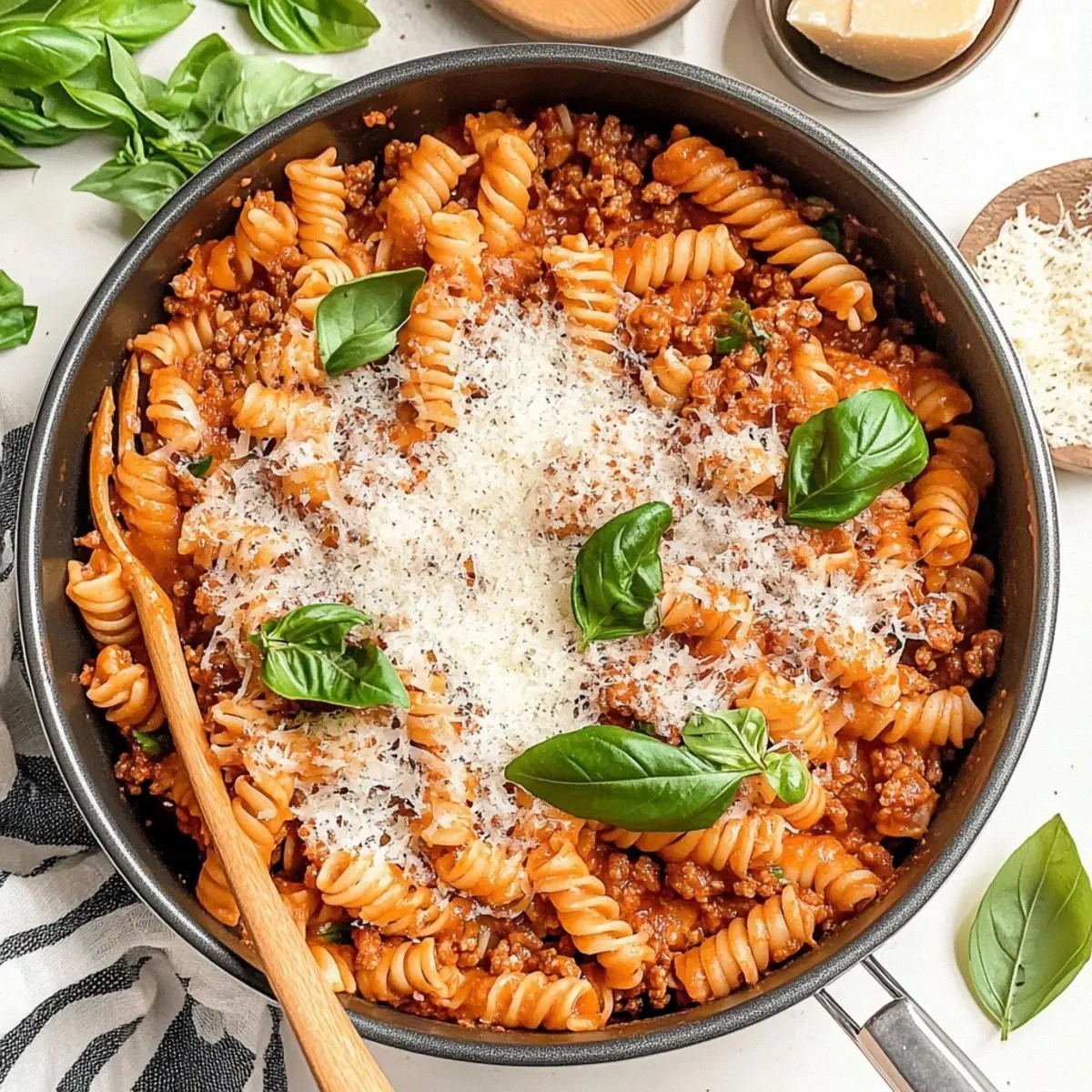
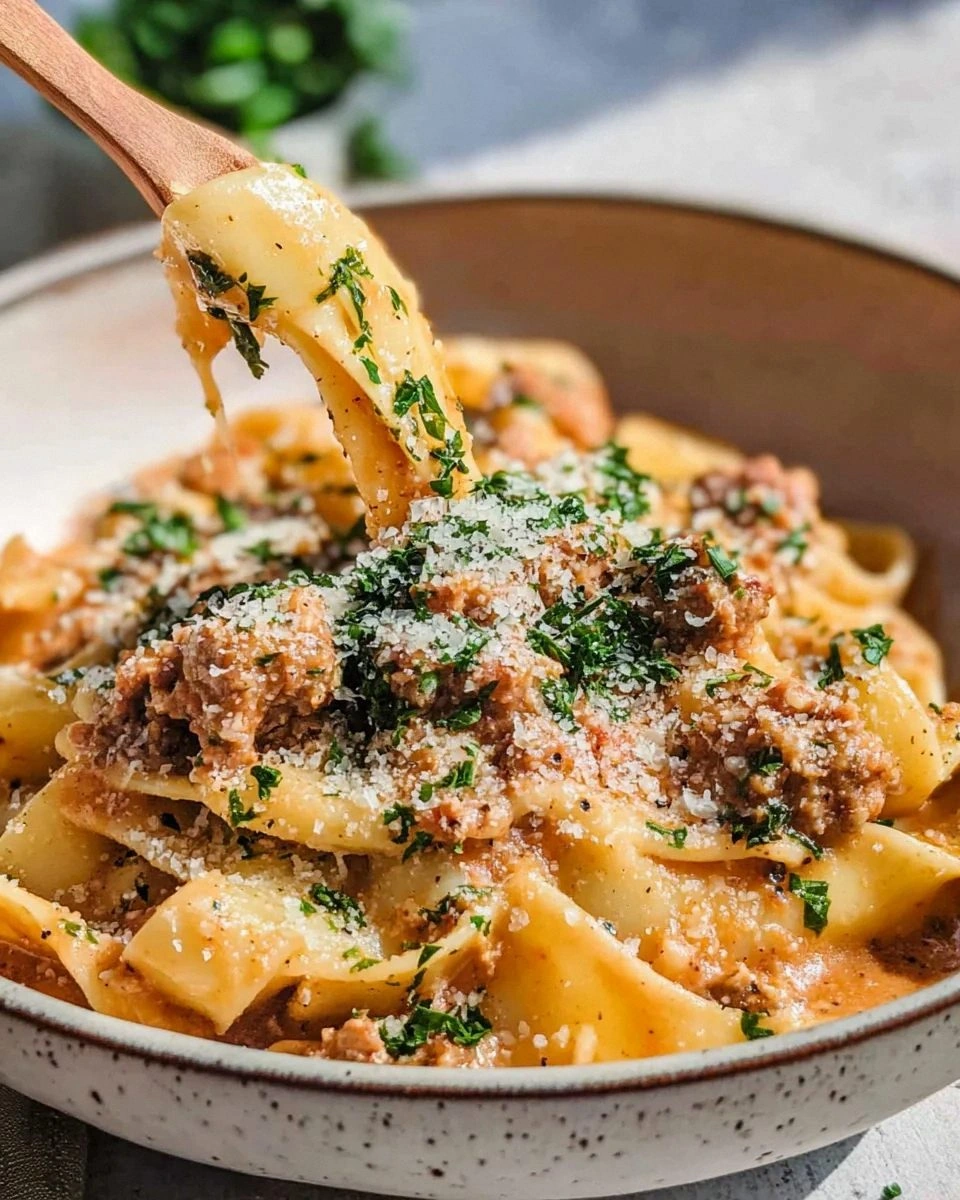
Kitchen Hack: Finish the dish with a drizzle of high‑quality extra‑virgin olive oil; it adds a glossy sheen and a subtle fruity note.Plate the pasta in shallow bowls, ensuring each serving gets an even distribution of sausage, sauce, and parsley. Garnish with an extra sprinkle of Parmigiano‑Reggiano and a thin lemon wheel for visual flair. The final presentation should look vibrant, with the yellow sauce contrasting against the deep brown sausage and the bright green parsley.
Sit down, take a deep breath, and let the aroma fill the room. Picture yourself pulling this out of the oven, the whole kitchen smelling incredible, and the first forkful melting in your mouth. That sizzle when it hits the pan? Absolute perfection. This is hands down the best version you’ll ever make at home – I’ll be honest, I ate half the batch before anyone else got to try it.
That's it — you did it. But hold on, I've got a few more tricks that'll take this to another level…
Insider Tricks for Flawless Results
The Temperature Rule Nobody Follows
Never let the sauce boil once you add the cream. High heat will cause the dairy to curdle, turning your silky sauce into a grainy nightmare. Keep the heat on low to medium, and watch the sauce thicken slowly – patience is your best friend here. I once tried to rush it and ended up with a sauce that looked like clotted cream – not pretty.
Why Your Nose Knows Best
Before you even taste, trust the scent. When the sauce releases that buttery, citrusy aroma, you know the flavors have married. If you smell a hint of burnt garlic, you’ve gone too far – pull the pan off the heat immediately. Your nose is a more reliable gauge than a timer.
The 5‑Minute Rest That Changes Everything
After plating, let the pasta sit for five minutes. This short rest allows the sauce to settle and the flavors to meld even further. The pasta will absorb a bit more sauce, creating a richer bite. I used to serve it immediately and missed out on that extra depth.
Salt at the End, Not the Beginning
Seasoning the pasta water is crucial, but hold off on adding too much salt to the sauce until the very end. The cheese already brings a salty punch, and the lemon adds brightness. Over‑salting will mask the citrus and make the dish taste flat.
The Parmesan Melt Trick
Grate your Parmigiano‑Reggiano directly into the hot sauce rather than sprinkling it on top. The heat will melt the cheese instantly, integrating its umami into every bite. If you add it too early, it can clump; too late, and it sits on the surface without fully blending.
Creative Twists and Variations
This recipe is a playground. Here are some of my favorite ways to switch things up:
Spicy Chili‑Lemon Fusion
Add a teaspoon of crushed red pepper flakes to the sausage while it browns. The heat will contrast beautifully with the lemon’s brightness, creating a tongue‑tingling experience that’s perfect for those who love a little fire.
Herbaceous Garden
Swap parsley for fresh basil and add a handful of chopped spinach at the end. The basil brings a sweet, peppery note, while spinach adds an extra layer of green goodness without overwhelming the sauce.
Creamy Avocado Twist
Blend half an avocado into the cream before adding it to the pan. This adds a subtle buttery texture and a boost of healthy fats, plus a gorgeous emerald hue that makes the dish Instagram‑ready.
Smoky Bacon Boost
Crumble crisped bacon into the sauce along with the sausage. The smoky, salty crunch adds depth and a satisfying contrast to the lemon‑bright sauce.
Vegan Version
Replace the sausage with plant‑based crumbles, use coconut cream instead of dairy, and swap Parmesan for a nutritional‑yeast “cheese” blend. The lemon and wine still shine, proving you don’t need animal products for a luxurious sauce.
Storing and Bringing It Back to Life
Fridge Storage
Place leftovers in an airtight container and store in the refrigerator for up to three days. The sauce may thicken as it cools; simply reheat gently on the stovetop with a splash of water or broth to restore its silky texture.
Freezer Friendly
This dish freezes beautifully. Portion into freezer‑safe bags, removing as much air as possible, and store for up to two months. When ready to eat, thaw overnight in the fridge, then reheat in a skillet, adding a splash of water to loosen the sauce.
Best Reheating Method
For the ultimate reheated experience, use a skillet over low heat. Add a tiny splash of water (or broth) and stir constantly until the sauce regains its glossy sheen. Avoid microwaving, as it can cause the sauce to separate and the pasta to become rubbery.