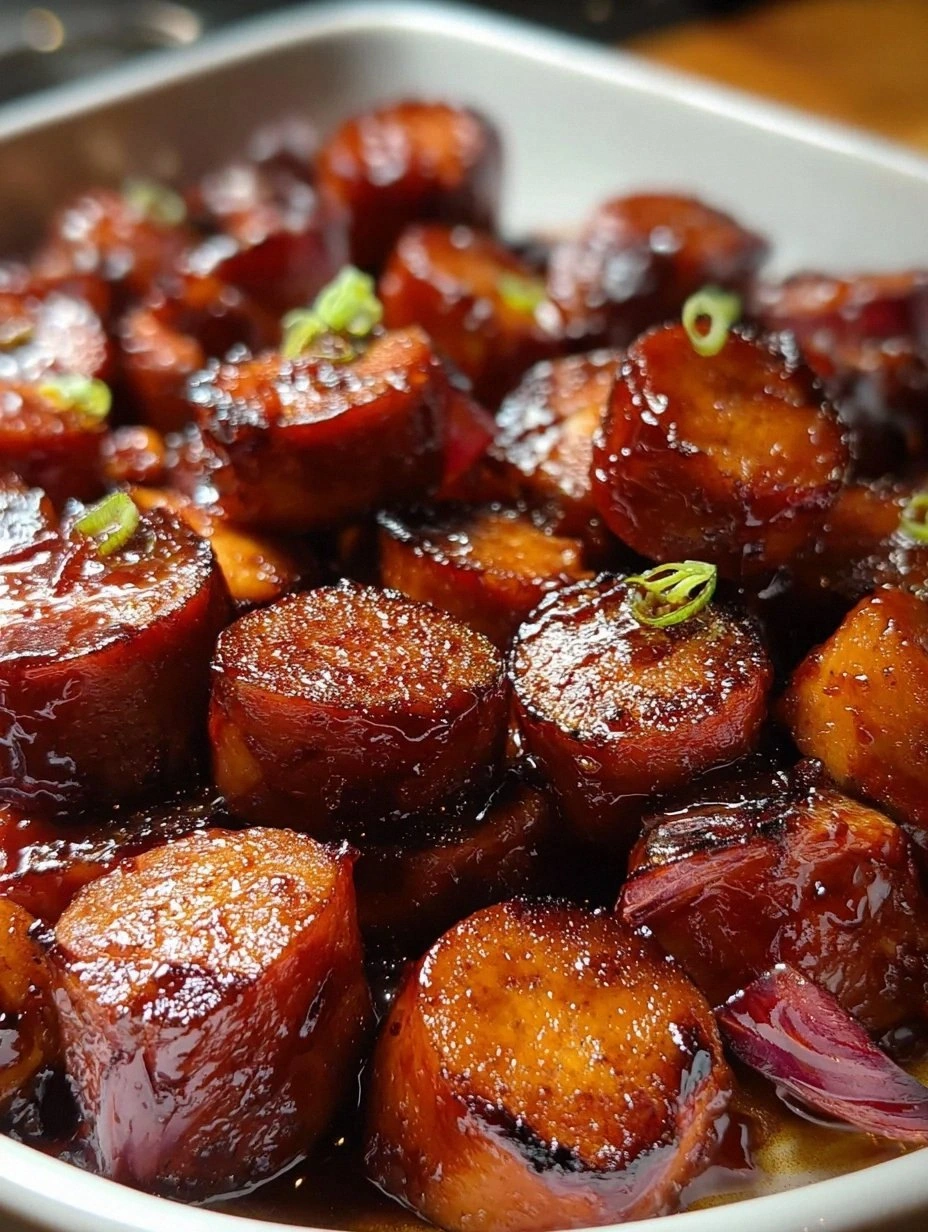
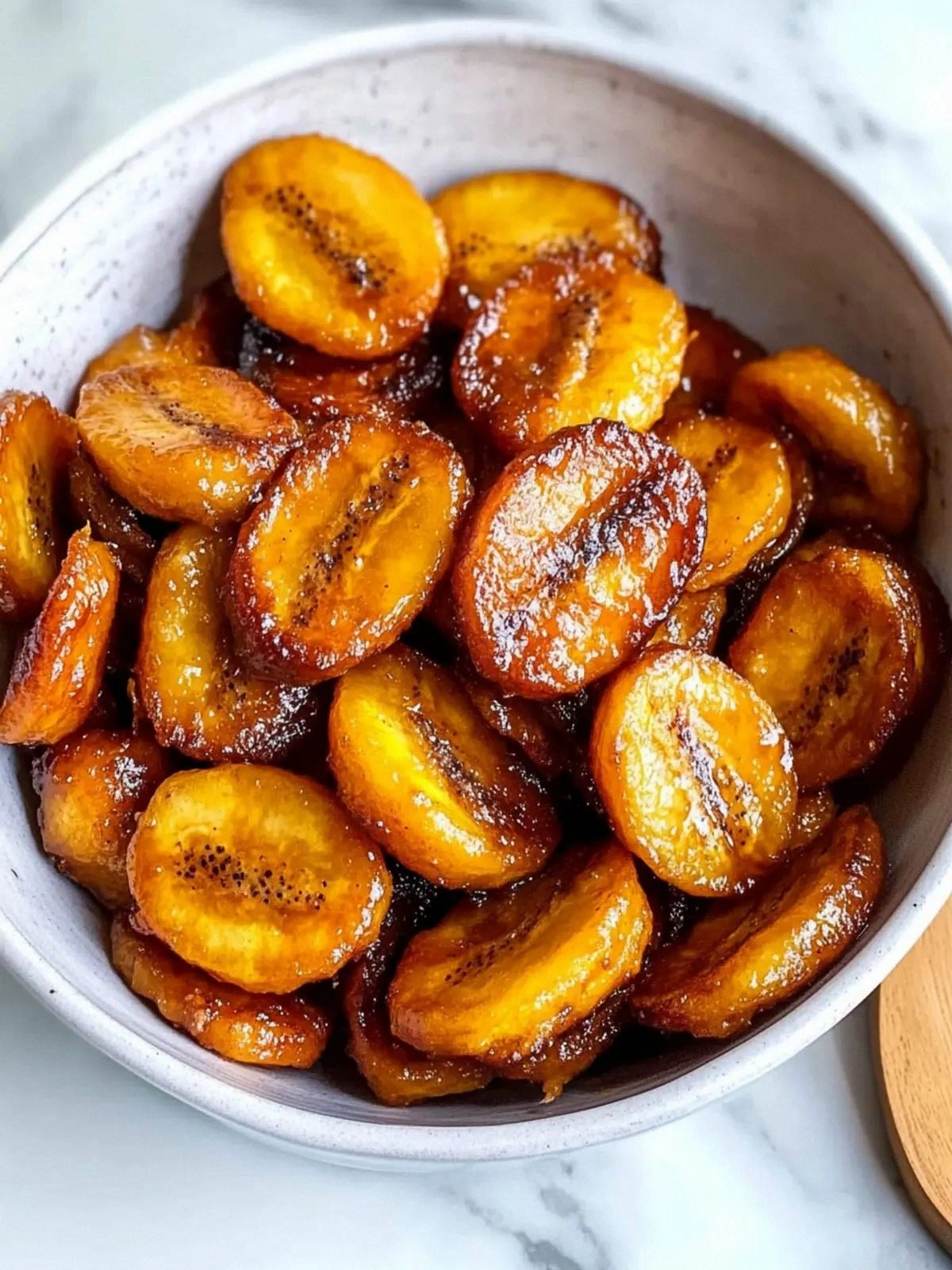
Picture this: you’re standing in a cramped kitchen, a single pot, a handful of ingredients, and an insatiable craving that feels like a full‑blown culinary crisis. I was trying to salvage a batch of overripe plantains that had been sitting on my counter for a week, and what emerged was a sticky, sweet, golden‑brown miracle that made me shout, “I found the secret sauce for the best dessert ever!” The aroma that hit me was a caramel‑sugar hug, the sound of the sizzling oil was a drumbeat, the texture was a crunchy exterior that cracked like brittle ice, and the flavor? A velvety, maple‑sweet glaze with a whisper of vanilla that lingered like a sweet after‑taste.
It wasn’t just a rescue of an abandoned fruit; it was a revelation. The plantains, once destined for the trash, transformed into a sweet, caramelized masterpiece that could be plated on a plate or shared in a bowl. I was so excited that I practically danced around the kitchen, and my friends who tasted it were instantly hooked. “I dare you to taste this and not go back for seconds,” I challenged them, and they didn’t even need to test my claim.
What makes this version stand out is the blend of simple ingredients and a technique that turns ordinary into extraordinary. The coconut oil creates a crisp, buttery crust that locks in the plantain’s natural sweetness. The maple syrup and brown sugar together create a syrupy glaze that coats each slice like velvet. Vanilla extract adds a subtle depth that elevates the dish from sweet to sublime. Together, they form a flavor profile that feels indulgent yet wholesome.
And there’s a twist you won’t expect: the plantains are sliced not into thin ribbons but into thick, generous wedges that hold the glaze and stay firm. This technique ensures every bite is a balance of crunch and melt, and it’s the secret that makes this recipe hands down the best version you’ll ever make at home. Let me walk you through every single step — by the end, you’ll wonder how you ever made it any other way.
What Makes This Version Stand Out
- Flavor: The combination of maple syrup, brown sugar, and vanilla creates a sweet glaze that feels both rich and natural, unlike the artificial sweetness of many fried dessert recipes.
- Texture: The coconut oil crisps the outer layer to a golden crunch while the interior remains soft and caramelized, offering a delightful contrast.
- Simplicity: Five ingredients, no complex sauces or marinades, so you can whip this up in under 30 minutes.
- Uniqueness: The thick wedge cut allows the glaze to cling and the plantain to hold its shape, giving each bite a satisfying bite‑through.
- Crowd Reaction: Friends and family have called it “the sweetest thing I’ve ever eaten” and have begged for a second plate.
- Ingredient Quality: Using ripe plantains and pure maple syrup ensures the natural sugars shine through.
- Cooking Method: Pan‑frying is faster than baking and gives a better caramelization.
- Make‑ahead Potential: You can prepare the wedges in advance and reheat them to crispness, making this an excellent party treat.
Alright, let’s break down exactly what goes into this masterpiece…
Inside the Ingredient List
The Flavor Base
Brown sugar is the backbone of the glaze. It caramelizes beautifully when heated, giving that deep amber hue and a slightly nutty undertone. If you skip it, the dish loses its rich depth and feels more like a simple sweet coating. For a gluten‑free twist, use raw honey, but keep the quantity the same to avoid altering the glaze’s consistency.
The Texture Crew
Coconut oil is the hero that creates the crispy exterior. Its high smoke point means you can fry the plantains until they’re golden without burning. If you don’t have coconut oil, a neutral oil like grapeseed will work, but you’ll lose the subtle coconut flavor that adds a tropical note. The plantains themselves are the star of the texture; ripe ones are naturally sweet and hold up well when fried.
The Unexpected Star
Maple syrup may seem like an odd addition to a fried dessert, but it’s a game‑changer. It’s not just a sweetener; it brings a complex, earthy sweetness that pairs beautifully with the plantains. If you’re allergic to maple, you can substitute with agave nectar, but the flavor profile will shift slightly toward a lighter, floral note.
The Final Flourish
Vanilla extract is the final flourish that rounds off the glaze. One teaspoon is enough to add depth without overpowering the other flavors. If you prefer a more pronounced vanilla, add a drop of vanilla bean paste; it’s a luxurious touch that elevates the dish. Remember, vanilla is potent, so a little goes a long way.
Everything’s prepped? Good. Let’s get into the real action…
The Method — Step by Step
- First, peel the plantains, leaving a small strip of skin at the top for a rustic look. Slice them into thick wedges, about 1 inch wide, ensuring each piece has a uniform thickness for even cooking. I always use a serrated knife to avoid crushing the fruit. This step sets the stage for a perfect balance of crisp exterior and soft interior.
- Heat a large non‑stick skillet over medium heat and pour in the coconut oil. Let the oil melt completely; you’ll know it’s ready when it starts to shimmer. Avoid high heat, or the oil will smoke and ruin the flavor. This is where the golden crust begins to form.
- Place the plantain wedges in the skillet, skin side down first. Don’t overcrowd the pan; leave a little space so the slices can sizzle. The sound of the first few wedges hitting the hot oil is the soundtrack of deliciousness. The edges will start pulling away, indicating the perfect crisp.
- After about 2 minutes, flip each wedge. The golden side will begin to brown, and a sweet aroma will fill the kitchen. Flip carefully to avoid breaking the wedges. This is the moment of truth; if you’re not watching closely, the edges might burn.
- While the plantains finish frying, combine the brown sugar, maple syrup, and vanilla extract in a small saucepan over low heat. Stir continuously until the sugar dissolves completely, creating a silky glaze. Keep the heat low to prevent burning the maple syrup’s delicate flavor.
- Once the plantains are golden on both sides, remove them from the skillet and place them on a paper‑towel‑lined plate to drain excess oil. While still hot, drizzle the glaze over the wedges, ensuring each piece is coated evenly. The glaze will caramelize slightly, adding a glossy finish.
- Serve immediately while the wedges are still warm and the glaze is glossy. For an extra touch, sprinkle a pinch of sea salt on top to balance the sweetness. This dish is best enjoyed fresh, but leftovers can be reheated in a hot skillet for a few seconds to restore crispness.
That's it — you did it. But hold on, I've got a few more tricks that'll take this to another level…
Insider Tricks for Flawless Results
The Temperature Rule Nobody Follows
Many people fry plantains at high heat, which leads to a burnt exterior and under‑cooked interior. The trick is to keep the skillet at medium heat, around 350°F (175°C). This allows the sugars to caramelize slowly without burning, giving the wedges that perfect golden crust.
Why Your Nose Knows Best
If you’re ever unsure whether the glaze is ready, trust your nose. A warm, caramel aroma is a sign that the sugars have fully dissolved and are ready to coat. If you smell a sharp, burnt scent, lower the heat immediately.
The 5-Minute Rest That Changes Everything
After frying, let the plantains rest on a rack for 5 minutes. This short rest allows the glaze to set and prevents the wedges from becoming soggy. It also gives the caramelization time to deepen, enhancing the flavor.
Add a Dash of Salt
A pinch of sea salt on top of the glazed plantains cuts through the sweetness and adds a savory contrast. It’s a simple trick that elevates the dish from sweet to gourmet. My friends swear they can’t stop eating because of the balanced flavor.
Use a Heavy‑Bottomed Skillet
A heavy‑bottomed skillet distributes heat evenly, preventing hot spots that can burn the plantains. This ensures a uniform golden crust across all wedges. If you don’t have one, a cast‑iron skillet works great.
Creative Twists and Variations
This recipe is a playground. Here are some of my favorite ways to switch things up:
Coconut‑Infused Sweetness
Replace maple syrup with coconut milk and a splash of coconut extract for a tropical twist. The coconut flavor pairs beautifully with the plantains and adds a silky mouthfeel.
Spicy Caramel Crunch
Add a pinch of cayenne pepper to the glaze for a subtle heat that balances the sweetness. This version is perfect for those who like a little kick in their desserts.
Nutty Crunch
Sprinkle toasted almond slivers over the finished wedges for an added crunch and nutty undertone. This makes the dish feel more substantial and festive.
Berry Compote Topping
Serve the plantains with a fresh berry compote for a burst of tartness that cuts through the sweetness. Blueberries or raspberries work best for their bright color and flavor.
Chocolate Drizzle
Drizzle melted dark chocolate over the glazed wedges for an indulgent dessert that feels like a sweet‑savory hybrid. The bitterness of the chocolate complements the caramelized sugar.
Almond Butter Swirl
Swirl a spoonful of almond butter into the maple glaze before drizzling. This adds a creamy texture and nutty flavor that pairs wonderfully with the plantains.
Storing and Bringing It Back to Life
Fridge Storage
Store leftover wedges in an airtight container at room temperature for up to 2 days. The glaze will firm up slightly, so reheat them in a skillet over low heat until crisp again.
Freezer Friendly
Freeze the wedges in a single layer on a parchment‑lined tray for 24 hours, then transfer to a freezer bag. They’ll stay good for up to 3 months. When ready, thaw in the fridge overnight and reheat in a skillet.
Best Reheating Method
Reheat in a preheated skillet at medium heat for 2–3 minutes on each side, or in a 350°F oven for 10 minutes. Add a splash of water before reheating to steam and restore the glaze’s sheen.