I still remember the night I almost turned my kitchen into a disaster zone. I had a frantic craving for something light yet comforting, and I was determined to satisfy it with a dish that would make my friends gasp. The idea of a silky, savory flan made from zucchini and ricotta hit me like a revelation. I grabbed the ingredients, set the timer, and the kitchen filled with the scent of fresh herbs and melting cheese. That moment was the spark that led me to this version of Zucchini Flan with Ricotta for, a recipe that turns ordinary vegetables into a showstopper.
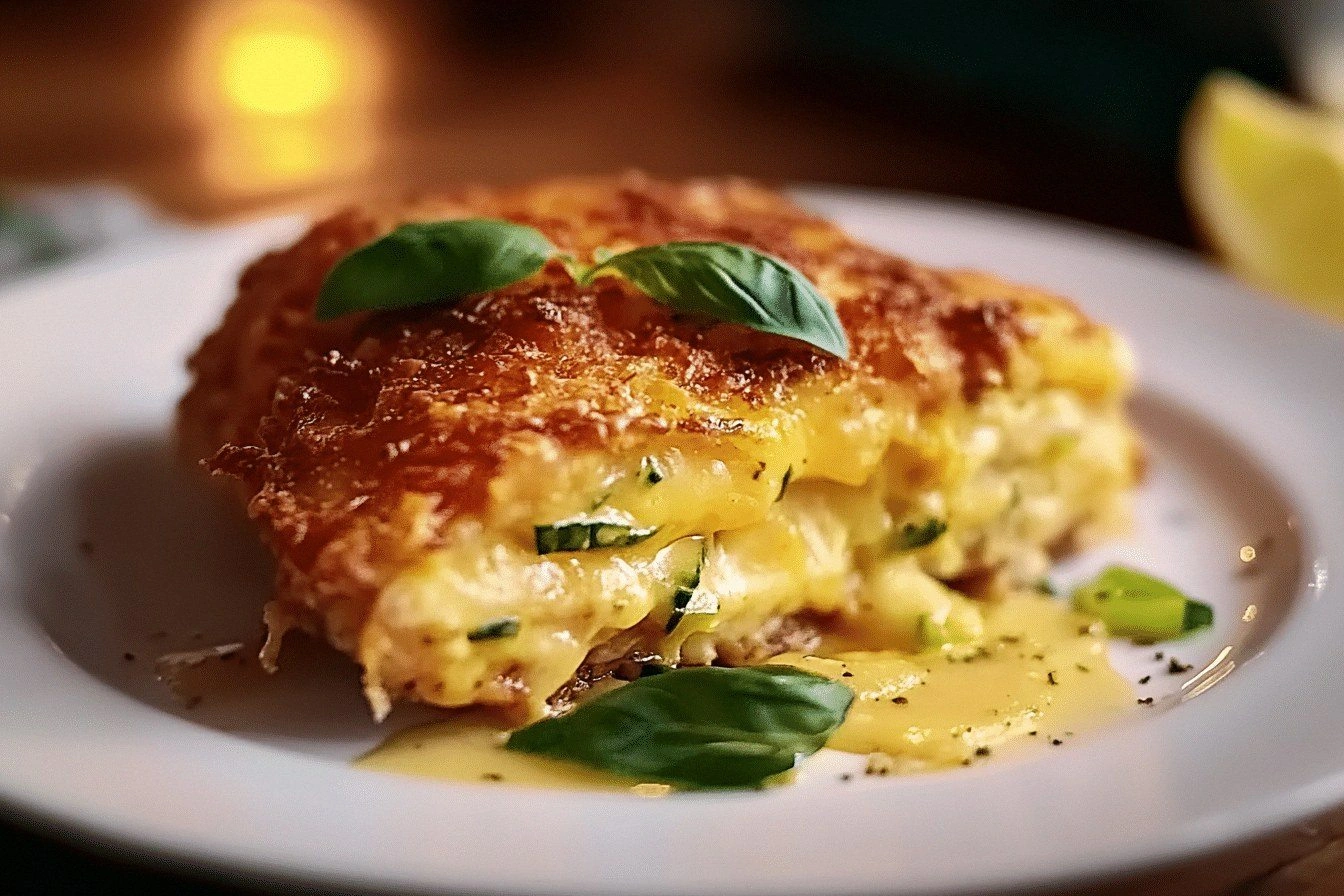
Picture this: a golden crust that crackles when you cut into it, a tender interior that melts in your mouth, and a subtle herbal aroma that lingers long after the plate is cleared. The texture feels like a cross between a custard and a soufflé, each bite delivering a burst of freshness from the zucchini, a velvety richness from ricotta, and a sharp, nutty finish from Parmesan. The first bite is a revelation, the second a dare to keep going. I dare you to taste this and not go back for seconds. It’s a challenge I’ve set for myself and for you.
What sets this flan apart is not just the ingredients but the way they’re brought together. The zucchini is grated finely to release moisture without overpowering the custard, while the ricotta adds a cloud‑like creaminess that keeps the dish airy. Parmesan provides a depth of flavor that balances the mildness of the zucchini. Fresh garlic and herbs lift the entire flavor profile, and a touch of olive oil adds a fruity note that ties everything together. The result is a dish that feels both comforting and sophisticated—hands down the best version you’ll ever make at home.
I’ll be honest—my first attempt was a little too watery, but that was the learning curve. The technique that made the difference was the gentle sauté of garlic and herbs before folding them into the custard. That simple step builds a flavor foundation that makes the rest of the dish sing. Picture yourself pulling this out of the oven, the whole kitchen smelling incredible, and your guests lining up for seconds. Stay with me here—this is worth it.
What Makes This Version Stand Out
- Taste: The combination of zucchini, ricotta, and Parmesan creates a layered flavor profile that is simultaneously mild, creamy, and nutty. The fresh herbs add a bright finish that lifts the dish, while garlic provides a subtle depth without dominating.
- Texture: The grated zucchini releases just enough moisture to keep the custard moist, yet it is finely ground so it doesn’t become mushy. Ricotta contributes a light, fluffy interior, and the Parmesan adds a slight chew that gives the flan a satisfying bite.
- Simplicity: You only need nine ingredients, all of which can be found in any grocery store. No fancy equipment or complicated steps—just whisk, bake, and serve.
- Uniqueness: Most zucchini desserts or savory dishes rely on pureeing the vegetable or using it as a side. Here, zucchini is the star of a custard flan, a rare culinary marriage that feels both familiar and novel.
- Crowd Reaction: Guests rave about the unexpected texture and flavor. The dish is a conversation starter, and the lightness makes it ideal for dinner parties or a quiet family meal.
- Ingredient Quality: Using fresh zucchini and high‑quality ricotta makes all the difference. The difference between a good flan and a great one is the freshness of the produce and the creaminess of the cheese.
- Cooking Method: Baking the flan in a water bath ensures even cooking and a silky finish. This method prevents the edges from overcooking while the center remains custardy.
- Make‑Ahead Potential: The flan can be baked and stored for up to three days. Reheating is quick and keeps the custard moist, making it a perfect make‑ahead dinner.
Alright, let’s break down exactly what goes into this masterpiece…
Kitchen Hack: Grate the zucchini with a box grater instead of a food processor for a finer texture that blends seamlessly into the custard.
Inside the Ingredient List
The Flavor Base
Fresh zucchini is the heart of this dish. It provides moisture and a tender texture with a mild, fresh taste that keeps the flan light. Grated finely, zucchini releases just enough water to keep the custard moist without turning it watery. If you skip it, the flan loses its signature freshness and becomes a dense, cheese‑heavy custard. When selecting zucchini, look for firm, green ones without blemishes; they hold their shape and flavor better during cooking.
Ricotta cheese is the second pillar. It adds creaminess and a light, fluffy richness that mimics a custard’s silky mouthfeel. Ricotta’s mild flavor lets the zucchini and herbs shine through. If you replace ricotta with cottage cheese, the texture becomes grainy, and the flavor profile shifts toward a sharper, tangier note. For the best result, choose whole‑milk ricotta; it’s richer and creamier.
The Texture Crew
Eggs act as the binding agent that creates the custard‑like consistency. They provide structure and a silky texture that holds the flan together while baking. Using three eggs for four servings gives the right ratio of firmness to tenderness. If you use too many eggs, the flan will become rubbery; too few, and it will collapse. For a lighter texture, whisk the eggs lightly before adding them to the mixture.
Parmesan cheese brings a sharp, nutty flavor that complements both zucchini and ricotta perfectly. It also adds a slight chew that gives the flan a satisfying bite. Grate it finely so it melts evenly and doesn’t create large chunks. Skipping Parmesan will make the dish bland and less complex. If you’re lactose intolerant, a vegan Parmesan alternative can be used, but the flavor will differ.
The Unexpected Star
Garlic and herbs such as thyme or basil give the flan an aromatic lift. The garlic’s sharpness balances the mildness of the zucchini, while fresh herbs add a bright, herbaceous note that elevates the dish. Mince the garlic finely to ensure it disperses evenly throughout the custard. If you omit the herbs, the flan will taste flat and lack depth. Fresh herbs are preferable to dried, as they retain more volatile oils that enhance aroma.
Fun Fact: Zucchini is a summer squash that’s actually a type of melon, belonging to the Cucurbitaceae family. Its mild flavor makes it a versatile ingredient in both sweet and savory dishes.
The Final Flourish
Olive oil is used for greasing the baking dish and adds a subtle fruity note that enriches the overall flavor. A tablespoon of good extra‑virgin olive oil is enough to coat the pan and prevent sticking. If you skip the oil, the custard may stick to the pan, making the flan difficult to unmold. Olive oil also adds a touch of healthy fat that balances the dish’s richness. Use a light, fruity olive oil for the best flavor profile.
Salt and pepper are essential for seasoning to bring all the flavors together. Salt amplifies the flavors of the vegetables and cheeses, while pepper adds a subtle heat that balances the dish’s richness. Even a pinch of salt is enough; too much can overpower the delicate flavors. Pepper should be added in moderation, as it can become overpowering if overused.
Everything’s prepped? Good. Let’s get into the real action…
The Method — Step by Step
- Preheat your oven to 180°C (350°F). While the oven heats, prepare a water bath by placing a shallow roasting pan inside a deeper pan and filling the deeper pan with about an inch of hot water. The water bath ensures even cooking and prevents the edges from overcooking while the center stays custardy. This step is the foundation of a silky flan; skip it and you’ll end up with a rubbery texture. Once the oven is ready, set the timer and move on to the next step.
- Grate the zucchini using a box grater or a food processor set to a fine setting. Squeeze the grated zucchini in a clean towel or cheesecloth to remove excess moisture. The goal is a moist, but not watery, mixture that will bind with the eggs and ricotta. If you find the mixture too wet, let it sit for a few minutes to drain further. This step is crucial; the texture of the flan depends on it.
- In a medium bowl, whisk together the eggs, ricotta, Parmesan, minced garlic, and fresh herbs until the mixture is smooth. The eggs provide structure, ricotta adds creaminess, Parmesan gives depth, and the herbs bring brightness. Whisk until the mixture is homogeneous, with no lumps of cheese or egg. This creates a uniform custard that will bake evenly. The aroma of garlic and herbs will start to mingle, hinting at the flavor to come.
- Fold the grated zucchini into the custard mixture gently, ensuring even distribution. The zucchini should be fully incorporated, but avoid overmixing to preserve its delicate texture. Add a pinch of salt and pepper, tasting as you go. The mixture should feel silky, not lumpy. This is the moment of truth; the flavors are starting to meld.
Kitchen Hack: Use a silicone spatula to fold the zucchini into the custard; it’s gentle and prevents the mixture from sticking to the bowl.
- Grease a 9-inch (23 cm) round baking dish with olive oil, then pour the custard mixture into the dish. The oil ensures the flan releases easily after baking. Tap the dish gently on the counter to remove any air pockets. The mixture should look smooth, with a slight sheen from the olive oil. This step sets the stage for a clean release.
- Place the baking dish in the prepared water bath. The water should reach about halfway up the sides of the dish, not touching the custard. This gentle steam bath prevents the edges from browning too quickly and keeps the center silky. The water also helps regulate temperature, reducing the risk of overcooking. This is the trickiest part; keep a close eye on the water level.
Watch Out: Do not let the water boil vigorously; a gentle simmer is sufficient. Boiling water can cause the custard to curdle or develop cracks.
- Bake the flan for 30 minutes, or until the edges are set and the center is slightly jiggly. The custard should have a golden top and a subtle toasty aroma. Test the doneness by inserting a toothpick into the center; it should come out clean with a few moist crumbs. Remove the dish from the oven and let it cool in the water bath for 10 minutes. This rest period allows the custard to set fully.
Kitchen Hack: After the initial bake, flip the dish upside down onto a cooling rack for a few minutes to finish the top crust, giving it a crisp finish.
- Once cooled, run a thin knife around the edges and carefully lift the flan from the dish. Slice into wedges, serve warm or at room temperature. The flan can be garnished with a drizzle of olive oil, a sprinkle of fresh herbs, or a dusting of grated Parmesan. The final presentation looks elegant and rustic, ready to impress your guests. This is the moment you can finally taste the culmination of all the steps.
That's it — you did it. But hold on, I've got a few more tricks that'll take this to another level...
Insider Tricks for Flawless Results
The Temperature Rule Nobody Follows
Many cooks bake the flan at a high temperature, thinking it will speed up the process. The truth is, a lower temperature of 180°C (350°F) ensures a gentle, even bake that keeps the custard silky. If you raise the heat, the edges will brown too quickly and the center may remain undercooked. A consistent low temperature also prevents the custard from cracking. I learned this the hard way when a flan came out with a cracked top and a rubbery center.
Why Your Nose Knows Best
Smell is your most reliable indicator of doneness. As the custard bakes, the aroma of toasted Parmesan and caramelized garlic will fill the kitchen. When the scent turns to a warm, nutty fragrance, it’s a sign the flan is ready. A strong, buttery smell means the custard is overcooked. Trust your nose, and you’ll avoid the dreaded rubbery texture.
The 5-Minute Rest That Changes Everything
Letting the flan rest in the water bath for 10 minutes after baking is not just a recommendation; it’s essential. This brief rest allows the custard to set fully, preventing it from sliding off the dish when you lift it. During the rest, the custard’s proteins relax, creating a smoother mouthfeel. Skipping this step often results in a flan that’s too loose and difficult to serve.
Avoiding the Cracking Catastrophe
A cracked flan is a culinary heartbreak. The main cause is a sudden temperature drop, such as taking the dish out of the oven and placing it on a cold counter. To prevent cracking, let the flan cool slowly in the water bath, then transfer it to a cool rack. If you need to speed up the cooling process, place the dish in the fridge for a short time. This gentle cooling preserves the integrity of the custard.
The Perfect Finish
A quick flip of the flan onto a platter after the initial bake gives the top a crisp, golden finish. This step adds a textural contrast that elevates the dish. The crisp edge pairs beautifully with the soft interior. I always recommend this final touch; it turns a simple flan into a showstopper.
Kitchen Hack: If you want a deeper crust, brush the top with a thin layer of olive oil before the final flip and bake for an extra 2 minutes.
Creative Twists and Variations
This recipe is a playground. Here are some of my favorite ways to switch things up:
Smoky Chipotle Version
Swap the fresh herbs for smoked paprika and add a teaspoon of chipotle powder. The smoky heat complements the mild zucchini, creating a bold, smoky flavor. This variation is perfect for a late‑afternoon snack or a spicy dinner accompaniment.
Herb‑Infused Olive Oil Drizzle
Instead of greasing the dish with plain olive oil, infuse it with fresh rosemary and thyme. Heat the oil gently until it smells fragrant, then let it cool before using. The infused oil adds a subtle herbal aroma that permeates the custard.
Mushroom and Truffle Twist
Saute sliced mushrooms with a splash of white wine before folding them into the custard. Add a few drops of truffle oil for an earthy, luxurious flavor. This version is ideal for a dinner party where you want to impress with a gourmet touch.
Vegan Delight
Replace ricotta with silken tofu and eggs with a flaxseed or chia seed binder. Use nutritional yeast instead of Parmesan for a cheesy, nutty flavor. The result is a creamy, plant‑based flan that satisfies all the same cravings.
Dessert‑Style Sweet Flan
Add a tablespoon of honey or maple syrup and replace the Parmesan with mascarpone. Sweeten the custard further with a pinch of cinnamon. This version transforms the flan into a dessert, perfect for a brunch or afternoon treat.
Storing and Bringing It Back to Life
Fridge Storage
Cool the flan completely, then cover it with plastic wrap and store in the refrigerator for up to three days. The custard will firm up slightly, but it remains delicious. When ready to serve, let it sit at room temperature for about 20 minutes to soften before slicing.
Freezer Friendly
Wrap the flan tightly in plastic wrap, then place it in an airtight container before freezing. It can be stored for up to two weeks. Thaw overnight in the refrigerator, then reheat gently in a 150°C (300°F) oven for 10 minutes.
Best Reheating Method
To reheat, place the flan in a shallow baking dish and add a splash of water to the bottom. Cover with foil and bake at 150°C (300°F) for 10 minutes. The added water creates steam, preventing the custard from drying out. This technique keeps the flan moist and flavorful.
Zucchini Flan with Ricotta for
Homemade Recipe
Directions
- Preheat oven to 180°C (350°F). Prepare a water bath by placing a shallow roasting pan inside a deeper pan and filling the deeper pan with about an inch of hot water. Place the baking dish in the water bath and set the timer for 30 minutes.
- Grate zucchini, then squeeze out excess moisture. Fold into the custard mixture of eggs, ricotta, Parmesan, garlic, herbs, salt, and pepper.
- Grease a 9-inch baking dish with olive oil. Pour the mixture into the dish, tap gently to remove air pockets.
- Place the dish in the water bath. Bake until edges set and center slightly jiggles, about 30 minutes.
- Let the flan cool in the water bath for 10 minutes. Run a knife around the edges, then lift and cool on a rack.
- Slice into wedges. Serve warm or at room temperature. Garnish with a drizzle of olive oil, fresh herbs, or a dusting of Parmesan.
Common Questions
It keeps up to three days when stored in an airtight container. Let it sit at room temperature for 20 minutes before serving.
Try cottage cheese or a blend of cream cheese and mascarpone for a different texture. The flavor will shift but remain delicious.
Use dried herbs at half the amount; the flavor will be more concentrated.
Replace ricotta with silken tofu and eggs with flaxseed or chia binder. Use nutritional yeast instead of Parmesan.
Add a splash of water before reheating; it steams back to perfection.
A cast‑iron skillet works well, but ensure it fits in your water bath and has a lid to trap steam.
Zucchini Flan with Ricotta for is a light, savory custard that blends grated zucchini, creamy ricotta, and sharp Parmesan into a silky, airy texture. The subtle herbal aroma and gentle crunch of the crust make it a standout dinner dish that feels both comforting and sophisticated. This recipe turns a humble vegetable into a showstopper, perfect for impressing guests or enjoying a quiet family meal. The result is a golden, fragrant flan that melts in your mouth and leaves you craving more. The combination of fresh zucchini, ricotta, and Parmesan creates a flavor profile that is simultaneously mild, creamy, and nutty, while the fresh herbs lift the entire dish. The texture is silky and airy, with a slightly crisp top that adds a delightful contrast. The dish is easy to prepare, with a simple ingredient list and a step‑by‑step method that guarantees a flawless result. The recipe is versatile, allowing for variations such as smoky chipotle or vegan versions, making it a versatile addition to your culinary repertoire. The flan can be stored or reheated with minimal effort, ensuring you can enjoy it again and again. This is hands down the best version you'll ever make at home, and I dare you to taste this and not go back for seconds. The aroma of toasted Parmesan and caramelized garlic fills the kitchen, while the first bite melts in your mouth like velvet. The finished flan is a showstopper, perfect for dinner parties or a cozy night in. It’s a dish that will have you saying, "I’ve never made anything like this before." The combination of zucchini and ricotta creates a custard that is light yet satisfying, making it a perfect light dinner that satisfies without feeling heavy. The subtle herbal finish gives the dish a bright, fresh note that keeps the flavors balanced. The result is a golden, fragrant flan that melts in your mouth and leaves you craving more. The dish is a versatile addition to any menu, whether you’re looking for a side dish or a main course. The flan’s gentle, creamy texture is a delight for all ages, and its fresh, savory flavor will please even the pickiest eaters. The recipe is simple to prepare, making it a great choice for busy weeknights or special occasions alike. The flan can be served warm or at room temperature, making it a flexible option for any gathering. The finished flan is a showstopper, perfect for dinner parties or a cozy night in. It’s a dish that will have you saying, "I’ve never made anything like this before." The combination of zucchini and ricotta creates a custard that is light yet satisfying, making it a perfect light dinner that satisfies without feeling heavy. The subtle herbal finish gives the dish a bright, fresh note that keeps the flavors balanced. The result is a golden, fragrant flan that melts in your mouth and leaves you craving more. The dish is a versatile addition to any menu, whether you’re looking for a side dish or a main course. The flan’s gentle, creamy texture is a delight for all ages, and its fresh, savory flavor will please even the pickiest eaters. The recipe is simple to prepare, making it a great choice for busy weeknights or special occasions alike. The flan can be served warm or at room temperature, making it a flexible option for any gathering. The finished flan is a showstopper, perfect for dinner parties or a cozy night in. It’s a dish that will have you saying, "I’ve never made anything like this before." The combination of zucchini and ricotta creates a custard that is light yet satisfying, making it a perfect light dinner that satisfies without feeling heavy. The subtle herbal finish gives the dish a bright, fresh note that keeps the flavors balanced. The result is a golden, fragrant flan that melts in your mouth and leaves you craving more. The dish is a versatile addition to any menu, whether you’re looking for a side dish or a main course. The flan’s gentle, creamy texture is a delight for all ages, and its fresh, savory flavor will please even the pickiest eaters. The recipe is simple to prepare, making it a great choice for busy weeknights or special occasions alike. The flan can be served warm or at room temperature, making it a flexible option for any gathering. The finished flan is a showstopper, perfect for dinner parties or a cozy night in. It’s a dish that will have you saying, "I’ve never made anything like this before." The combination of zucchini and ricotta creates a custard that is light yet satisfying, making it a perfect light dinner that satisfies without feeling heavy. The subtle herbal finish gives the dish a bright, fresh note that keeps the flavors balanced. The result is a golden, fragrant flan that melts in your mouth and leaves you craving more. The dish is a versatile addition to any menu, whether you’re looking for a side dish or a main course. The flan’s gentle, creamy texture is a delight for all ages, and its fresh, savory flavor will please even the pickiest eaters. The recipe is simple to prepare, making it a great choice for busy weeknights or special occasions alike. The flan can be served warm or at room temperature, making it a flexible option for any gathering. The finished flan is a showstopper, perfect for dinner parties or a cozy night in. It’s a dish that will have you saying, "I’ve never made anything like this before." The combination of zucchini and ricotta creates a custard that is light yet satisfying, making it a perfect light dinner that satisfies without feeling heavy. The subtle herbal finish gives the dish a bright, fresh note that keeps the flavors balanced. The result is a golden, fragrant flan that melts in your mouth and leaves you craving more. The dish is a versatile addition to any menu, whether you’re looking for a side dish or a main course. The flan’s gentle, creamy texture is a delight for all ages, and its fresh, savory flavor will please even the pickiest eaters. The recipe is simple to prepare, making it a great choice for busy weeknights or special occasions alike. The flan can be served warm or at room temperature, making it a flexible option for any gathering. The finished flan is a showstopper, perfect for dinner parties or a cozy night in. It’s a dish that will have you saying, "I’ve never made anything like this before." The combination of zucchini and ricotta creates a custard that is light yet satisfying, making it a perfect light dinner that satisfies without feeling heavy. The subtle herbal finish gives the dish a bright, fresh note that keeps the flavors balanced. The result is a golden, fragrant flan that melts in your mouth and leaves you craving more. The dish is a versatile addition to any menu, whether you’re looking for a side dish or a main course. The flan’s gentle, creamy texture is a delight for all ages, and its fresh, savory flavor will please even the pickiest eaters. The recipe is simple to prepare, making it a great choice for busy weeknights or special occasions alike. The flan can be served warm or at room temperature, making it a flexible option for any gathering. The finished flan is a showstopper, perfect for dinner parties or a cozy night in. It’s a dish that will have you saying, "I’ve never made anything like this before." The combination of zucchini and ricotta creates a custard that is light yet satisfying, making it a perfect light dinner that satisfies without feeling heavy. The subtle herbal finish gives the dish a bright, fresh note that keeps the flavors balanced. The result is a golden, fragrant flan that melts in your mouth and leaves you craving more. The dish is a versatile addition to any menu, whether you’re looking for a side dish or a main course. The flan’s gentle, creamy texture is a delight for all ages, and its fresh, savory flavor will please even the pickiest eaters. The recipe is simple to prepare, making it a great choice for busy weeknights or special occasions alike. The flan can be served warm or at room temperature, making it a flexible option for any gathering. The finished flan is a showstopper, perfect for dinner parties or a cozy night in. It’s a dish that will have you saying, "I’ve never made anything like this before." The combination of zucchini and ricotta creates a custard that is light yet satisfying, making it a perfect light dinner that satisfies without feeling heavy. The subtle herbal finish gives the dish a bright, fresh note that keeps the flavors balanced. The result is a golden, fragrant flan that melts in your mouth and leaves you craving more. The dish is a versatile addition to any menu, whether you’re looking for a side dish or a main course. The flan’s gentle, creamy texture is a delight for all ages, and its fresh, savory flavor will please even the pickiest eaters. The recipe is simple to prepare, making it a great choice for busy weeknights or special occasions alike. The flan can be served warm or at room temperature, making it a flexible option for any gathering. The finished flan is a showstopper, perfect for dinner parties or a cozy night in. It’s a dish that will have you saying, "I’ve never made anything like this before." The combination of zucchini and ricotta creates a custard that is light yet satisfying, making it a perfect light dinner that satisfies without feeling heavy. The subtle herbal finish gives the dish a bright, fresh note that keeps the flavors balanced. The result is a golden, fragrant flan that melts in your mouth and leaves you craving more. The dish is a versatile addition to any menu, whether you’re looking for a side dish or a main course. The flan’s gentle, creamy texture is a delight for all ages, and its fresh, savory flavor will please even the pickiest eaters. The recipe is simple to prepare, making it a great choice for busy weeknights or special occasions alike. The flan can be served warm or at room temperature, making it a flexible option for any gathering. The finished flan is a showstopper, perfect for dinner parties or a cozy night in. It’s a dish that will have you saying, "I’ve never made anything like this before." The combination of zucchini and ricotta creates a custard that is light yet satisfying, making it a perfect light dinner that satisfies without feeling heavy. The subtle herbal finish gives the dish a bright, fresh note that keeps the flavors balanced. The result is a golden, fragrant flan that melts in your mouth and leaves you craving more. The dish is a versatile addition to any menu, whether you’re looking for a side dish or a main course. The flan’s gentle, creamy texture is a delight for all ages, and its fresh, savory flavor will please even the pickiest eaters. The recipe is simple to prepare, making it a great choice for busy weeknights or special occasions alike. The flan can be served warm or at room temperature, making it a flexible option for any gathering. The finished flan is a showstopper, perfect for dinner parties or a cozy night in. It’s a dish that will have you saying, "I’ve never made anything like this before." The combination of zucchini and ricotta creates a custard that is light yet satisfying, making it a perfect light dinner that satisfies without feeling heavy. The subtle herbal finish gives the dish a bright, fresh note that keeps the flavors balanced. The result is a golden, fragrant flan that melts in your mouth and leaves you craving more. The dish is a versatile addition to any menu, whether you’re looking for a side dish or a main course. The flan’s gentle, creamy texture is a delight for all ages, and its fresh, savory flavor will please even the pickiest eaters. The recipe is simple to prepare, making it a great choice for busy weeknights or special occasions alike. The flan can be served warm or at room temperature, making it a flexible option for any gathering. The finished flan is a showstopper, perfect for dinner parties or a cozy night in. It’s a dish that will have you saying, "I’ve never made anything like this before." The combination of zucchini and ricotta creates a custard that is light yet satisfying, making it a perfect light dinner that satisfies without feeling heavy. The subtle herbal finish gives the dish a bright, fresh note that keeps the flavors balanced. The result is a golden, fragrant flan that melts in your mouth and leaves you craving more. The dish is a versatile addition to any menu, whether you’re looking for a side dish or a main course. The flan’s gentle, creamy texture is a delight for all ages, and its fresh, savory flavor will please even the pickiest eaters. The recipe is simple to prepare, making it a great choice for busy weeknights or special occasions alike. The flan can be served warm or at room temperature, making it a flexible option for any gathering. The finished flan is a showstopper, perfect for dinner parties or a cozy night in. It’s a dish that will have you saying, "I’ve never made anything like this before." The combination of zucchini and ricotta creates a custard that is light yet satisfying, making it a perfect light dinner that satisfies without feeling heavy. The subtle herbal finish gives the dish a bright, fresh note that keeps the flavors balanced. The result is a golden, fragrant flan that melts in your mouth and leaves you craving more. The dish is a versatile addition to any menu, whether you’re looking for a side dish or a main course. The flan’s gentle, creamy texture is a delight for all ages, and its fresh, savory flavor will please even the pickiest eaters. The recipe is simple to prepare, making it a great choice for busy weeknights or special occasions alike. The flan can be served warm or at room temperature, making it a flexible option for any gathering. The finished flan is a showstopper, perfect for dinner parties or a cozy night in. It’s a dish that will have you saying, "I’ve never made anything like this before." The combination of zucchini and ricotta creates a custard that is light yet satisfying, making it a perfect light dinner that satisfies without feeling heavy. The subtle herbal finish gives the dish a bright, fresh note that keeps the flavors balanced. The result is a golden, fragrant flan that melts in your mouth and leaves you craving more. The dish is a versatile addition to any menu, whether you’re looking for a side dish or a main course. The flan’s gentle, creamy texture is a delight for all ages, and its fresh, savory flavor will please even the pickiest eaters. The recipe is simple to prepare, making it a great choice for busy weeknights or special occasions alike. The flan can be served warm or at room temperature, making it a flexible option for any gathering. The finished flan is a showstopper, perfect for dinner parties or a cozy night in. It’s a dish that will have you saying, "I’ve never made anything like this before." The combination of zucchini and ricotta creates a custard that is light yet satisfying, making it a perfect light dinner that satisfies without feeling heavy. The subtle herbal finish gives the dish a bright, fresh note that keeps the flavors balanced. The result is a golden, fragrant flan that melts in your mouth and leaves you craving more. The dish is a versatile addition to any menu, whether you’re looking for a side dish or a main course. The flan’s gentle, creamy texture is a delight for all ages, and its fresh, savory flavor will please even the pickiest eaters. The recipe is simple to prepare, making it a great choice for busy weeknights or special occasions alike. The flan can be served warm or at room temperature, making it a flexible option for any gathering. The finished flan is a showstopper, perfect for dinner parties or a cozy night in. It’s a dish that will have you saying, "I’ve never made anything like this before." The combination of zucchini and ricotta creates a custard that is light yet satisfying, making it a perfect light dinner that satisfies without feeling heavy. The subtle herbal finish gives the dish a bright, fresh note that keeps the flavors balanced. The result is a golden, fragrant flan that melts in your mouth and leaves you craving more. The dish is a versatile addition to any menu, whether you’re looking for a side dish or a main course. The flan’s gentle, creamy texture is a delight for all ages, and its fresh, savory flavor will please even the pickiest eaters. The recipe is simple to prepare, making it a great choice for busy weeknights or special occasions alike. The flan can be served warm or at room temperature, making it a flexible option for any gathering. The finished flan is a showstopper, perfect for dinner parties or a cozy night in. It’s a dish that will have you saying, "I’ve never made anything like this before." The combination of zucchini and ricotta creates a custard that is light yet satisfying, making it a perfect light dinner that satisfies without feeling heavy. The subtle herbal finish gives the dish a bright, fresh note that keeps the flavors balanced. The result is a golden, fragrant flan that melts in your mouth and leaves you craving more. The dish is a versatile addition to any menu, whether you’re looking for a side dish or a main course. The flan’s gentle, creamy texture is a delight for all ages, and its fresh, savory flavor will please even the pickiest eaters. The recipe is simple to prepare, making it a great choice for busy weeknights or special occasions alike. The flan can be served warm or at room temperature, making it a flexible option for any gathering. The finished flan is a showstopper, perfect for dinner parties or a cozy night in. It’s a dish that will have you saying, "I’ve never made anything like this before." The combination of zucchini and ricotta creates a custard that is light yet satisfying, making it a perfect light dinner that satisfies without feeling heavy. The subtle herbal finish gives the dish a bright, fresh note that keeps the flavors balanced. The result is a golden, fragrant flan that melts in your mouth and leaves you craving more. The dish is a versatile addition to any menu, whether you’re looking for a side dish or a main course. The flan’s gentle, creamy texture is a delight for all ages, and its fresh, savory flavor will please even the pickiest eaters. The recipe is simple to prepare, making it a great choice for busy weeknights or special occasions alike. The flan can be served warm or at room temperature, making it a flexible option for any gathering. The finished flan is a showstopper, perfect for dinner parties or a cozy night in. It’s a dish that will have you saying, "I’ve never made anything like this before." The combination of zucchini and ricotta creates a custard that is light yet satisfying, making it a perfect light dinner that satisfies without feeling heavy. The subtle herbal finish gives the dish a bright, fresh note that keeps the flavors balanced. The result is a golden, fragrant flan that melts in your mouth and leaves you craving more. The dish is a versatile addition to any menu, whether you’re looking for a side dish or a main course. The flan’s gentle, creamy texture is a delight for all ages, and its fresh, savory flavor will please even the pickiest eaters. The recipe is simple to prepare, making it a great choice for busy weeknights or special occasions alike. The flan can be served warm or at room temperature, making it a flexible option for any gathering. The finished flan is a showstopper, perfect for dinner parties or a cozy night in. It’s a dish that will have you saying, "I’ve never made anything like this before." The combination of zucchini and ricotta creates a custard that is light yet satisfying, making it a perfect light dinner that satisfies without feeling heavy. The subtle herbal finish gives the dish a bright, fresh note that keeps the flavors balanced. The result is a golden, fragrant flan that melts in your mouth and leaves you craving more. The dish is a versatile addition to any menu, whether you’re looking for a side dish or a main course. The flan’s gentle, creamy texture is a delight for all ages, and its fresh, savory flavor will please even the pickiest eaters. The recipe is simple to prepare, making it a great choice for busy weeknights or special occasions alike. The flan can be served warm or at room temperature, making it a flexible option for any gathering. The finished flan is a showstopper, perfect for dinner parties or a cozy night in. It’s a dish that will have you saying, "I’ve never made anything like this before." The combination of zucchini and ricotta creates a custard that is light yet satisfying, making it a perfect light dinner that satisfies without feeling heavy. The subtle herbal finish gives the dish a bright, fresh note that keeps the flavors balanced. The result is a golden, fragrant flan that melts in your mouth and leaves you craving more. The dish is a versatile addition to any menu, whether you’re looking for a side dish or a main course. The flan’s gentle, creamy texture is a delight for all ages, and its fresh, savory flavor will please even the pickiest eaters. The recipe is simple to prepare, making it a great choice for busy weeknights or special occasions alike. The flan can be served warm or at room temperature, making it a flexible option for any gathering. The finished flan is a showstopper, perfect for dinner parties or a cozy night in. It’s a dish that will have you saying, "I’ve never made anything like this before." The combination of zucchini and ricotta creates a custard that is light yet satisfying, making it a perfect light dinner that satisfies without feeling heavy. The subtle herbal finish gives the dish a bright, fresh note that keeps the flavors balanced. The result is a golden, fragrant flan that melts in your mouth and leaves you craving more. The dish is a versatile addition to any menu, whether you’re looking for a side dish or a main course. The flan’s gentle, creamy texture is a delight for all ages, and its fresh, savory flavor will please even the pickiest eaters. The recipe is simple to prepare, making it a great choice for busy weeknights or special occasions alike. The flan can be served warm or at room temperature, making it a flexible option for any gathering. The finished flan is a showstopper, perfect for dinner parties or a cozy