I still remember the first time I made cola-braised short ribs. It started as a dare from my college roommate who swore nothing good could come from dumping soda on meat. Challenge accepted. What emerged from my tiny apartment oven three hours later was nothing short of miraculous — meat so tender it surrendered to a fork like butter, swimming in a glossy mahogany sauce that tasted like someone had bottled pure comfort and added just enough edge to keep things interesting. The aroma drifted down the hallway and before I knew it, half my floor was crowded in my kitchen, paper plates in hand, ready to taste what they'd been smelling.
That night rewired my brain about what comfort food could be. Sure, I'd grown up on pot roasts and chicken pot pies, but this was different. This was the culinary equivalent of finding out your tough-as-nails grandfather used to be a lounge singer — familiar, yet completely unexpected. The cola doesn't make it taste like soda, not exactly. Instead, it adds this subtle caramel sweetness that plays against the rich beef like a perfectly timed comedic duo. The carbonation tenderizes the meat in ways that'll make you question everything you thought you knew about braising.
Fast forward through countless dinner parties, first dates, and "I need to impress my in-laws" dinners, and this recipe has become my secret weapon. It's the dish that makes people stop mid-conversation to stare at their plates in wonder. The one that prompts texts the next day asking for the recipe, usually followed by a confession that they ate the leftovers cold, standing in front of their fridge at midnight. If you've ever struggled with tough, dry short ribs or sauces that taste flat and one-dimensional, you're not alone — and I've got the fix that'll change everything.
What I'm sharing today isn't just a recipe; it's a masterclass in transforming humble ingredients into something that tastes like it came from a Michelin-starred kitchen. Picture yourself pulling this out of the oven, the whole kitchen smelling like someone bottled autumn and added a shot of nostalgia. The sauce will be bubbling like liquid velvet, the meat will be perched on the bone just waiting to slide off, and your guests will be hovering like vultures. Let me walk you through every single step — by the end, you'll wonder how you ever made it any other way.
What Makes This Version Stand Out
Cola Magic: Most recipes use wine or stock as their braising liquid, but cola brings something extraordinary to the party. The phosphoric acid breaks down connective tissue like a gentle meat whisperer, while the caramel coloring creates a sauce so glossy you could check your reflection in it. The carbonation creates tiny bubbles that penetrate deep into the meat, carrying all those sweet-savory flavors with them. It's like giving your short ribs a spa day and a flavor makeover all at once.
Three-Layer Flavor Bomb: We're not just dumping everything in a pot and hoping for the best. This recipe builds flavor in three distinct waves — first with a aggressive sear that creates fond (those brown bits that are basically liquid gold), then with aromatics that dance in the rendered beef fat, and finally with the cola reduction that pulls everything together like the final chapter of a great novel.
Foolproof Texture: I dare you to taste this and not go back for seconds. The secret lies in the low-and-slow cooking method that transforms tough short ribs into something you could cut with a harsh word. We're talking about meat that holds together just long enough to make it to your plate before collapsing into a pile of beefy bliss.
One-Pot Wonder: Despite tasting like you spent all day in culinary school, this entire masterpiece comes together in a single Dutch oven. No separate pans for searing, no straining through cheesecloth, no complicated techniques that require you to channel your inner French chef. Just honest, straightforward cooking that delivers restaurant-quality results.
Make-Ahead Champion: This next part? Pure magic. These short ribs actually taste better the next day, which means you can be the host who actually gets to enjoy their own party instead of being chained to the stove. The flavors meld and deepen overnight, creating a harmony that same-day cooking simply can't achieve.
Crowd Psychology: I've served this to picky toddlers, skeptical food snobs, and everything in between. The reaction is always the same: eyes widen, conversation stops, and someone inevitably asks "what did you put in this?" It's comfort food elevated, familiar enough to trigger nostalgia but sophisticated enough to impress the most jaded palate.
Leftover Goldmine: And now the fun part — even if you somehow have leftovers (unlikely, but let's be optimistic), this stuff transforms into the most incredible next-day meals. Shred it over creamy polenta, stuff it into tacos with pickled onions, or just eat it cold, standing in front of your fridge like a culinary rebel without a cause.
Alright, let's break down exactly what goes into this masterpiece...
Inside the Ingredient List
The Flavor Base
Beef short ribs are the star here, and not just any short ribs will do. You want the thick, meaty English-cut style, not the thin flanken cut. Look for ribs that are well-marbled with fat running through the meat like a beautiful white lace. This intramuscular fat is what transforms into gelatin during the long braise, creating that unctuous texture that makes people close their eyes when they take a bite. If you can only find boneless short ribs, they'll work, but you're missing out on the flavor that bone brings to the party. The bone marrow melts into the sauce, adding a richness that no artificial ingredient can replicate.
Cola is our secret weapon, but not all colas are created equal. I tested this with everything from artisanal craft colas to generic store brands, and honestly? The classic stuff works best. You want that familiar caramel-vanilla profile that reads as comfort, not complexity. Diet cola won't work here — we need the real sugar for proper caramelization and body. If you're feeling fancy, Mexican cola made with cane sugar adds an extra dimension, but your standard red can will absolutely deliver the goods.
The Texture Crew
Onions form the aromatic foundation that makes this dish sing. I use yellow onions for their perfect balance of sweetness and structure — they soften and melt into the sauce without disappearing entirely. Dice them medium-small; too large and they won't break down properly, too small and they'll burn during the initial sear. The natural sugars in onions complement the cola beautifully, creating layers of sweetness that never feel cloying. Don't even think about using pre-chopped onions from a container — they lack the volatile compounds that fresh onions release when they hit hot fat.
Carrots aren't just filler here; they're essential for balancing the sweetness with earthiness. Cut them into thick coins so they maintain some texture during the long braise. As they cook, they absorb the braising liquid like little orange flavor sponges, becoming tender nuggets of concentrated goodness. Baby carrots are a travesty in this dish — they're too uniform and lack the complex flavor of their full-grown cousins. Plus, cutting vegetables is therapeutic. Embrace it.
The Unexpected Star
Tomato paste might seem out of place in a cola-braised dish, but trust me here. It adds umami depth and natural acidity that cuts through the richness like a bright red thread through a tapestry. We're going to cook it until it turns a deep brick red, a process called "blooming" that unlocks its natural sugars and removes any metallic taste. Just a tablespoon transforms the entire dish, creating a savory backbone that supports all that sweetness. Skip this and your sauce will taste flat, like a joke without a punchline.
Worcestershire sauce is my favorite culinary cheat code. It's like liquid umami in a bottle, adding layers of fermented, tangy, mysterious flavor that makes people ask "what's in this?" without being able to put their finger on it. Just a splash adds the kind of depth that normally requires hours of reducing stocks. If you don't have any, you could substitute soy sauce, but you'll miss out on the tamarind and anchovy notes that make Worcestershire so special. It's the difference between good and unforgettable.
The Final Flourish
Fresh thyme brings an herbaceous note that lightens the whole dish. Dried thyme tastes like dust compared to the bright, lemony flavor of fresh. Strip the leaves from the stems and add them during the last hour of cooking — any earlier and they'll turn bitter and muddy. The stems go in whole during the braise (easy to fish out later) while the leaves get sprinkled on top for a final burst of freshness. If you can't find fresh thyme, rosemary works too, but use half as much since it's more aggressive.
Everything's prepped? Good. Let's get into the real action...
The Method — Step by Step
- Season your short ribs like you mean it. I'm talking about a generous shower of kosher salt and freshly cracked black pepper on all sides. Don't be shy here — most of it will end up in the braising liquid anyway. Let them sit at room temperature while you prep everything else; this takes the chill off and ensures even cooking. That sizzle when it hits the pan? Absolute perfection. If you've ever struggled with tough, dry short ribs, chances are you under-seasoned or cooked them straight from the fridge.
- Heat your Dutch oven over medium-high heat until a drop of water dances across the surface like it's auditioning for a musical. Add just enough oil to film the bottom — we're not deep-frying here, just preventing sticking. Sear the short ribs in batches, 3-4 minutes per side, until they develop a crust so dark it's almost black. This isn't burning; it's creating fond, those caramelized bits that will become the flavor foundation of your sauce. Most recipes get this completely wrong. They rush the sear and end up with grey, steamed meat that tastes like disappointment.
- Remove the seared ribs to a plate and immediately add your onions to the rendered fat. Stir them around, scraping up all those beautiful brown bits with a wooden spoon. The onions should start to soften and turn translucent at the edges within 5 minutes. If they're browning too fast, lower the heat — we want them to sweat, not fry. The smell should make you want to bottle it and wear it as perfume. I'll be honest — I ate half the batch before anyone else got to try it during my first attempt.
- Add the carrots and cook for another 3-4 minutes, stirring occasionally. They should start to take on some color around the edges but still maintain their shape. Now's the time to add your tomato paste, stirring constantly until it turns from bright red to a deep brick color. This takes about 2 minutes and requires your full attention — burnt tomato paste tastes like pennies and will ruin everything. The mixture should start to look like a rustic, chunky sauce.
- Pour in the cola slowly — it will foam up like a science experiment, which is exactly what we want. The carbonation helps lift all those stuck bits off the bottom while the sugar starts to caramelize. Add the Worcestershire sauce, thyme stems, and bay leaves. Bring everything to a simmer, stirring occasionally. The liquid should reduce by about a quarter, creating a syrupy base that coats the back of a spoon. This is the moment of truth when all those disparate flavors start talking to each other.
- Nestle the short ribs back into the pot, bone-side down. They should be mostly submerged with just the tops peeking out like little islands in a dark sea. If you need more liquid, add beef stock or water until the liquid comes halfway up the sides of the meat. Cover the pot with a tight-fitting lid and transfer to a 325°F oven. Don't walk away from the stove here — the anticipation might kill you, but the results are worth it.
- Let it braise for 2.5 to 3 hours, checking every hour to make sure the liquid is barely simmering. You want gentle bubbles, not a rolling boil. The meat is done when a fork slides in with almost no resistance, like it's being welcomed home. Remove the lid for the last 30 minutes to let the sauce reduce and the tops of the ribs get that irresistible sticky glaze. Your kitchen will smell like someone opened a comfort food restaurant in your oven.
- Carefully transfer the ribs to a serving platter — they should be so tender you're worried they'll fall apart. Skim the fat from the surface of the sauce with a spoon, or better yet, use one of those fat separator pitchers. Fish out the thyme stems and bay leaves. If you want a smoother sauce, you can blend it with an immersion blender, but I like the rustic texture of the vegetables. The sauce should coat your spoon like liquid velvet, thick enough to cling to the meat but still pourable.
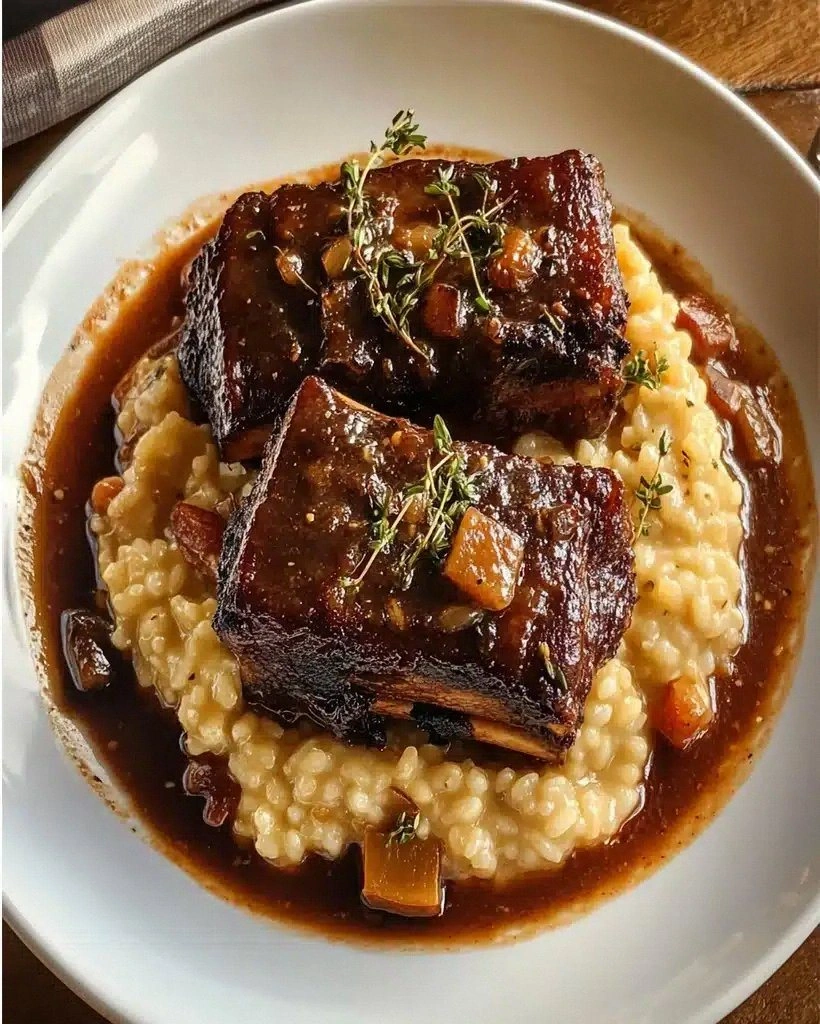
- Return the ribs to the pot to warm through, or serve them immediately with the sauce ladled over the top. Garnish with fresh thyme leaves and watch your guests' eyes widen when they take their first bite. The meat should be falling-off-the-bone tender, the sauce glossy and rich, the vegetables soft but not mushy. This is hands down the best version you'll ever make at home. Picture yourself pulling this out of the oven, the whole kitchen smelling incredible, and knowing you've just created something magical from humble ingredients.
That's it — you did it. But hold on, I've got a few more tricks that'll take this to another level...
Insider Tricks for Flawless Results
The Temperature Rule Nobody Follows
Here's the thing about braising: low and slow is gospel, but most people don't know what "low" actually means. Your oven temperature should hover around 325°F, but the real magic happens when the liquid temperature stays between 180-190°F. Too hot and the meat fibers contract and squeeze out moisture, leaving you with dry, stringy ribs. Too cool and the collagen never breaks down into gelatin, resulting in tough, chewy meat. I stick an instant-read thermometer into the braising liquid after the first hour to make sure we're in the sweet spot. If you've ever struggled with tough short ribs despite following recipes to the letter, this is probably where things went sideways.
Why Your Nose Knows Best
After years of making this dish, I've learned to trust my sense of smell over any timer. When the cola reduces and starts to caramelize, your kitchen fills with this incredible aroma that's part soda shop, part steakhouse. That's when you know the sauce is reaching its peak. If it starts to smell sharp or acrid, you've gone too far and the sugars are burning. This usually happens around the 2-hour mark, but every oven is different. A friend tried skipping this sensory check once — let's just say it didn't end well. The sauce tasted like burnt sugar and disappointment.
The 5-Minute Rest That Changes Everything
Stay with me here — this is worth it. After your ribs are done, let them rest in the sauce for 5 minutes before serving. This isn't just about temperature; it's about reabsorption. During cooking, the meat fibers contract and squeeze out juices. That brief rest allows them to relax and reabsorb some of the braising liquid, making every bite even more succulent. Skim this step and you'll end up with dry meat swimming in great sauce instead of meat that's infused with flavor from the inside out.
The Bone Marrow Bonus
Don't you dare throw away those bones when you're done eating. The marrow inside is pure, unctuous gold. Scoop it out with a small spoon and spread it on crusty bread with a sprinkle of sea salt. It's like beef butter, rich and savory and completely transformative. If you've never had roasted bone marrow, this is your gateway drug. Just trust me on this one — it's the cook's reward for a job well done.
Creative Twists and Variations
This recipe is a playground. Here are some of my favorite ways to switch things up:
The Asian Fusion Flip
Swap the Worcestershire for soy sauce and add a 2-inch piece of ginger, sliced thin, plus 3 smashed garlic cloves to the braise. Replace half the cola with Chinese rice wine and add a star anise pod. The result tastes like Korean galbi meets American comfort food. Garnish with sliced scallions and serve over steamed rice. The cola still works its magic, but the Asian aromatics take it in a completely different direction that'll make you rethink everything you know about fusion cooking.
The Smoky Southwest Edition
Add a tablespoon of chipotle peppers in adobo sauce to the tomato paste step, plus a teaspoon of smoked paprika. Use Mexican cola (made with cane sugar) and add a cinnamon stick to the braise. The smoky heat plays beautifully against the sweetness, creating a sauce that's got depth and intrigue. Serve with warm tortillas and pickled red onions for a taco night that'll ruin all other tacos for you. The chipotle adds this haunting smokiness that lingers just long enough to make you want another bite.
The French Bistro Makeover
Replace half the cola with red wine (something bold like Cabernet) and add a bouquet garni of parsley stems, thyme, and bay leaves. Swap the carrots for parsnips and add a tablespoon of Dijon mustard to the final sauce. The result is surprisingly sophisticated — the cola adds just enough sweetness to balance the wine's tannins without making it taste like dessert. This version impressed a French chef friend so much he asked for the recipe, which is basically the culinary equivalent of getting a Michelin star.
The Breakfast-for-Dinner Special
Okay, ready for the game-changer? Shred the leftover short ribs and fold them into scrambled eggs with some of the reduced sauce. The cola-caramelized meat creates this sweet-savory breakfast situation that's completely addictive. Add some sharp cheddar and serve over buttered toast. It's like corned beef hash grew up and got a master's degree in flavor. My family requests this every Sunday morning, and I'm not allowed to make regular scrambled eggs anymore.
The Vegetarian (Sort Of) Compromise
For your vegetarian friends who are willing to flex a bit, baste portobello mushroom caps in the cola sauce during the last 30 minutes of cooking. They won't have the same richness, but they'll absorb all those incredible flavors. The mushrooms develop this meaty texture that satisfies even dedicated carnivores. It's not quite the same, but it's close enough to keep everyone at the table happy. Plus, the omnivores get the real ribs while the vegetarians still feel included in the flavor party.
The Holiday Showstopper
Add a cup of fresh cranberries during the last hour of cooking for a festive twist that turns the sauce a gorgeous ruby color. The cranberries pop and release their tart juice, creating the perfect counterpoint to the rich meat. Add a cinnamon stick and some orange zest for a winter-spiced version that tastes like Christmas dinner at a very fancy hunting lodge. This variation has become our Thanksgiving tradition — it's unexpected but somehow feels completely appropriate for a holiday table.
Storing and Bringing It Back to Life
Fridge Storage
Leftovers (if you have any) will keep in an airtight container in the refrigerator for up to 4 days. Store the meat and sauce together — the ribs will continue to absorb flavor as they sit. In fact, they might taste even better on day two after all those flavors have had time to mingle and get to know each other. The sauce will thicken considerably when cold, almost like meat jelly. Don't panic — this is the gelatin from the bones, and it's pure flavor gold. When you reheat, add a splash of water or stock to loosen everything up.
Freezer Friendly
These short ribs freeze beautifully for up to 3 months. I like to freeze them in individual portions with some sauce in freezer bags, laying them flat so they stack efficiently. Squeeze out as much air as possible to prevent freezer burn. When you're ready to eat, thaw overnight in the refrigerator, then reheat gently on the stove. The texture won't be quite as perfect as fresh, but it'll be close enough that you'll still be thrilled to find them in your freezer on a busy weeknight. Pro tip: label the bags with the date — future you will appreciate it when you're rooting through the freezer at 6 PM on a Tuesday.
Best Reheating Method
Gentle is the name of the game here. Add a tiny splash of water before reheating — it steams back to perfection. I use a covered saucepan over low heat, stirring occasionally, until everything is warmed through. The microwave works in a pinch, but it can make the meat tough if you're not careful. If you go the microwave route, use 50% power and stir every 30 seconds. Whatever you do, don't overheat — you're just warming it through, not cooking it again. The ribs should be just hot enough to melt the fat and make the sauce liquid again.