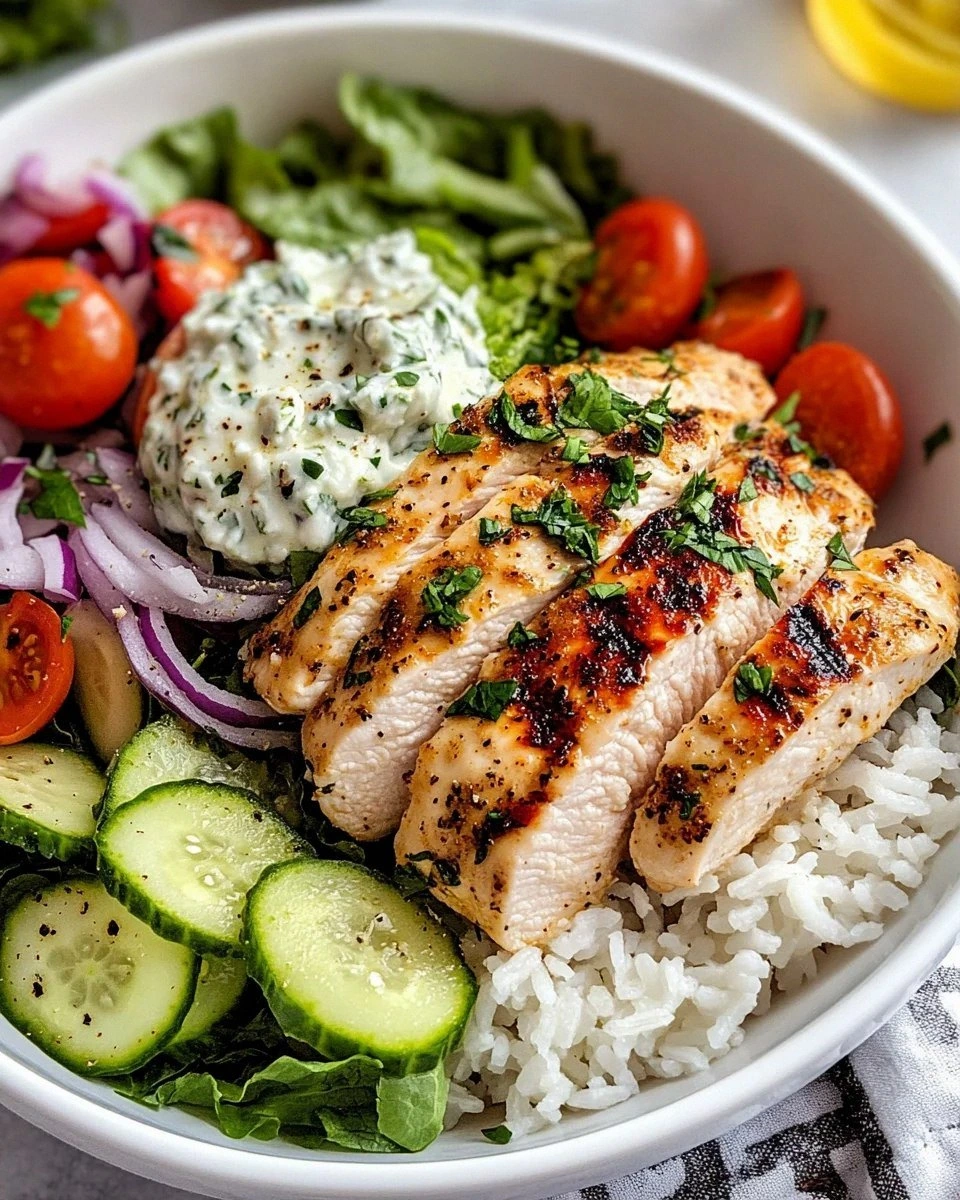
Picture this: you’re standing in a cramped kitchen, the fridge door squeaking, a stack of half‑cooked chicken breasts staring back at you like a silent challenge. You’ve been craving something buttery, garlicky, and utterly comforting all week, yet every recipe you’ve tried has been either too dry or too greasy. That night, a friend dared you to make a dish that would make the entire neighborhood swoon, and you decided to take the plunge. I didn’t have any fancy spices or a fancy pan, just a skillet and a handful of common pantry staples. The result? A dish that feels like a warm hug, with golden, crispy chicken enveloped in a garlic‑butter sauce that practically sings, and a velvety cauliflower mash that whispers “you’re doing great.”
I’ve spent months chasing the perfect balance of savory and buttery, and this version is the culmination of that quest. The chicken, when seared to a crisp, golden brown, releases a subtle nutty aroma that mingles with the fresh, sharp scent of garlic. As the butter melts, it coats the meat like velvet, locking in juices that make each bite melt‑in‑your‑mouth. Meanwhile, the cauliflower mash—soft, creamy, and lightly seasoned—provides a comforting backdrop that lets the sauce shine without overpowering the dish. Every bite is a symphony of textures: the crunch of the chicken skin, the silky smoothness of the mash, and the satisfying snap of fresh herbs at the end. This isn’t just a meal; it’s a culinary victory you’ll brag about for weeks.
What sets this recipe apart from the countless garlic‑butter chicken dishes out there is the subtle twist of lemon‑infused broth that brightens the sauce and the choice of smoked paprika that adds a gentle depth of flavor. The cauliflower mash isn’t just plain mashed; it’s blended with a splash of milk and a generous sprinkle of Parmesan, giving it a luxurious, almost decadent feel. And the finishing touch—a sprinkle of fresh parsley and a dash of cayenne pepper—adds a pop of color and a hint of heat that keeps the palate engaged. It’s the little details that transform an ordinary dinner into a memorable experience.
I dare you to taste this and not go back for seconds. If you’re skeptical, remember the moment the butter starts to sizzle when it hits the hot skillet—absolute perfection. Most recipes get this completely wrong by over‑sautéing or under‑seasoning. Here’s what actually works: sear the chicken until the skin is blistered and the interior is juicy, then finish it off in the garlic‑butter sauce that’s been simmering for just the right amount of time. Picture yourself pulling this out of the oven, the whole kitchen smelling incredible, and feeling that rush of accomplishment. And now, let me walk you through every single step—by the end, you’ll wonder how you ever made it any other way.
What Makes This Version Stand Out
- Flavor: The combination of smoked paprika and a splash of lemon juice elevates the classic garlic‑butter profile, giving it a bright, complex undertone that lingers on the palate.
- Texture: The chicken’s skin crisps to a buttery crunch while the interior stays moist, and the cauliflower mash achieves a silky consistency that’s almost dessert‑like.
- Simplicity: With just a handful of pantry staples and a single skillet, you can create a restaurant‑quality dish in under an hour.
- Uniqueness: The subtle addition of cayenne pepper and fresh parsley provides a pop of color and a hint of heat that sets this recipe apart.
- Crowd Reaction: Friends and family will keep asking for the recipe after the first plate, and you’ll become the go‑to host for dinner parties.
- Ingredient Quality: Using high‑quality butter and fresh garlic makes the difference between a good dish and an unforgettable one.
- Cooking Method: The two‑step process—searing then simmering—ensures maximum flavor extraction and moisture retention.
- Make‑Ahead Potential: The sauce can be prepped ahead and reheated without losing its silky sheen, making it perfect for busy weeknights.
Alright, let's break down exactly what goes into this masterpiece…
Inside the Ingredient List
The Flavor Base
The foundation of any great sauce is the aromatics you start with. In this recipe, fresh garlic takes center stage, its pungent aroma turning into a sweet, mellow sweetness once it’s sautéed with butter. The butter itself is the vehicle for flavor; choose a good quality unsalted butter to let the garlic shine without the interference of salt. Smoked paprika adds a subtle depth that mimics the smoky flavor of a grill, while a dash of cayenne pepper introduces a gentle heat that balances the richness. The lemon juice provides a bright, acidic counterpoint that cuts through the buttery heaviness and lifts the overall flavor profile.
The Protein Crew
The star of the show is the chicken breast. I’ve always believed that the best chicken comes from a simple seasoning of salt and pepper before searing. This allows the natural flavors to shine while the sear creates a caramelized crust. If you’re using bone‑in, skin‑on pieces, the skin will render down and add an extra layer of savory depth. For a leaner option, trim any excess fat but keep the skin; it’s the key to that coveted crispy texture.
The Unexpected Star
Cauliflower isn’t just a low‑carb filler; it’s a versatile canvas that takes on any flavor you throw at it. When steamed and mashed with milk, butter, and Parmesan, it becomes a creamy, indulgent side that complements the chicken’s savory bite. The subtle nutty flavor of cauliflower pairs beautifully with the garlic‑butter sauce, creating a harmony that’s both comforting and sophisticated. If you’re adventurous, you can add a pinch of nutmeg to the mash for an extra layer of warmth.
The Final Flourish
Fresh herbs are the finishing touch that elevates any dish. Parsley adds a burst of color and a fresh, slightly peppery note that cuts through the richness. A sprinkle of grated Parmesan on top of the mash gives it a savory, umami finish. If you’re craving a bit of crunch, consider adding toasted almonds or breadcrumbs on top before serving. These small details transform a simple dinner into a memorable experience.
Everything's prepped? Good. Let's get into the real action…
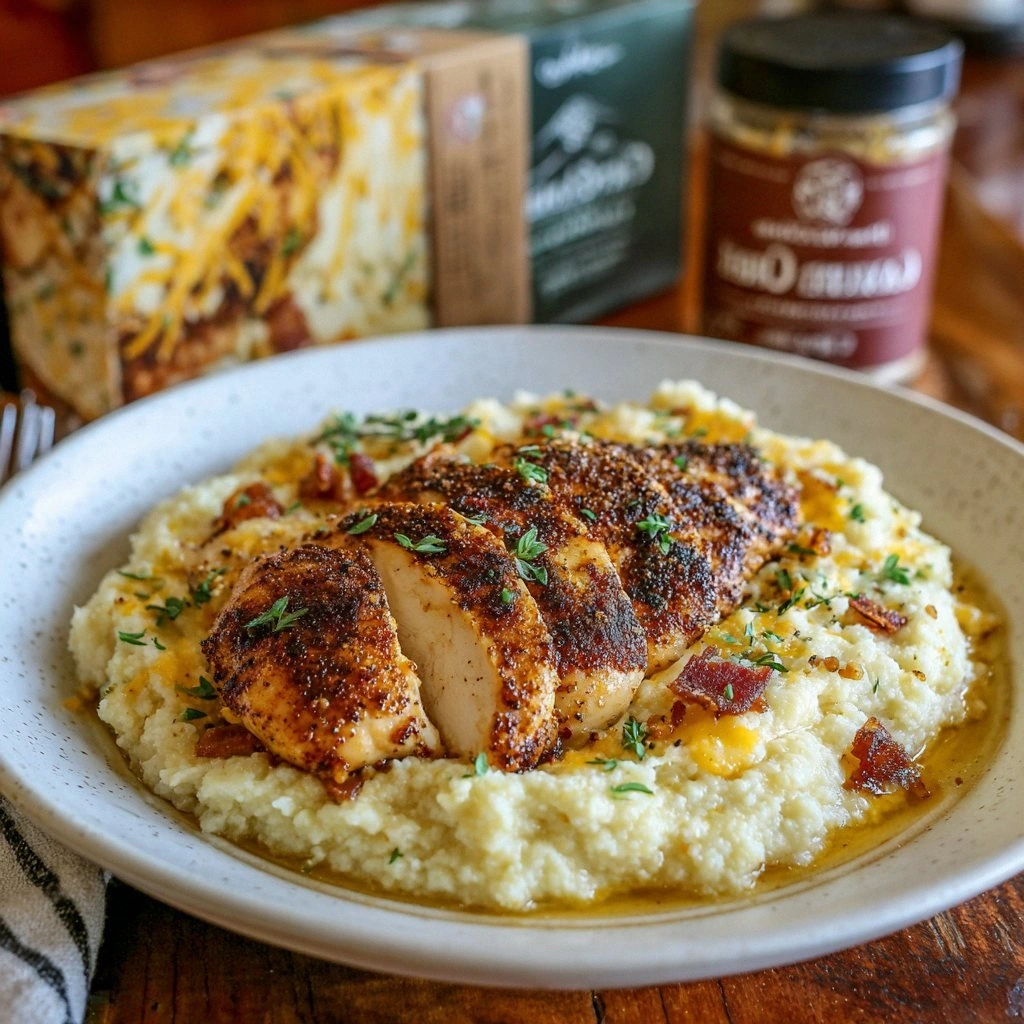
The Method — Step by Step
- Pat the chicken breasts dry with paper towels; this ensures a crisp skin. Season both sides generously with salt, pepper, and a light dusting of smoked paprika. Heat a tablespoon of olive oil in a large skillet over medium‑high heat until shimmering. Place the chicken skin side down and sear for 5–6 minutes until the skin is golden and releases easily from the pan. Flip and sear the other side for another 4–5 minutes. The goal is a beautiful caramelized crust that locks in juices.
- Remove the chicken from the skillet and set aside on a plate. In the same pan, lower the heat to medium and add the butter. Let it melt until it turns a light golden hue, indicating it’s ready to absorb the garlic. Add the minced garlic and sauté for 30 seconds, just until fragrant—watch out for burning. The garlic should release a sweet, nutty aroma, not a bitter one.
- Pour in the chicken broth and lemon juice, scraping up any browned bits from the pan—those are flavor gold. Bring the mixture to a gentle simmer, then add the cayenne pepper and the remaining smoked paprika. Let the sauce reduce for 3–4 minutes, allowing it to thicken slightly. The reduction should be glossy, not too thick, so it coats the chicken beautifully.
- Return the chicken breasts to the skillet, nestling them into the sauce. Reduce the heat to low and let them simmer in the sauce for 8–10 minutes, turning occasionally. The chicken should reach an internal temperature of 165°F (74°C). While it cooks, the sauce will deepen in flavor and develop a velvety sheen.
- While the chicken finishes, steam the cauliflower florets until tender—about 7–8 minutes. Drain well and transfer to a food processor or a bowl for mashing. Add the milk, a tablespoon of butter, and half a cup of grated Parmesan. Pulse or mash until silky and smooth, then season with salt and pepper to taste. The mash should be thick enough to hold its shape but creamy enough to coat the back of a spoon.
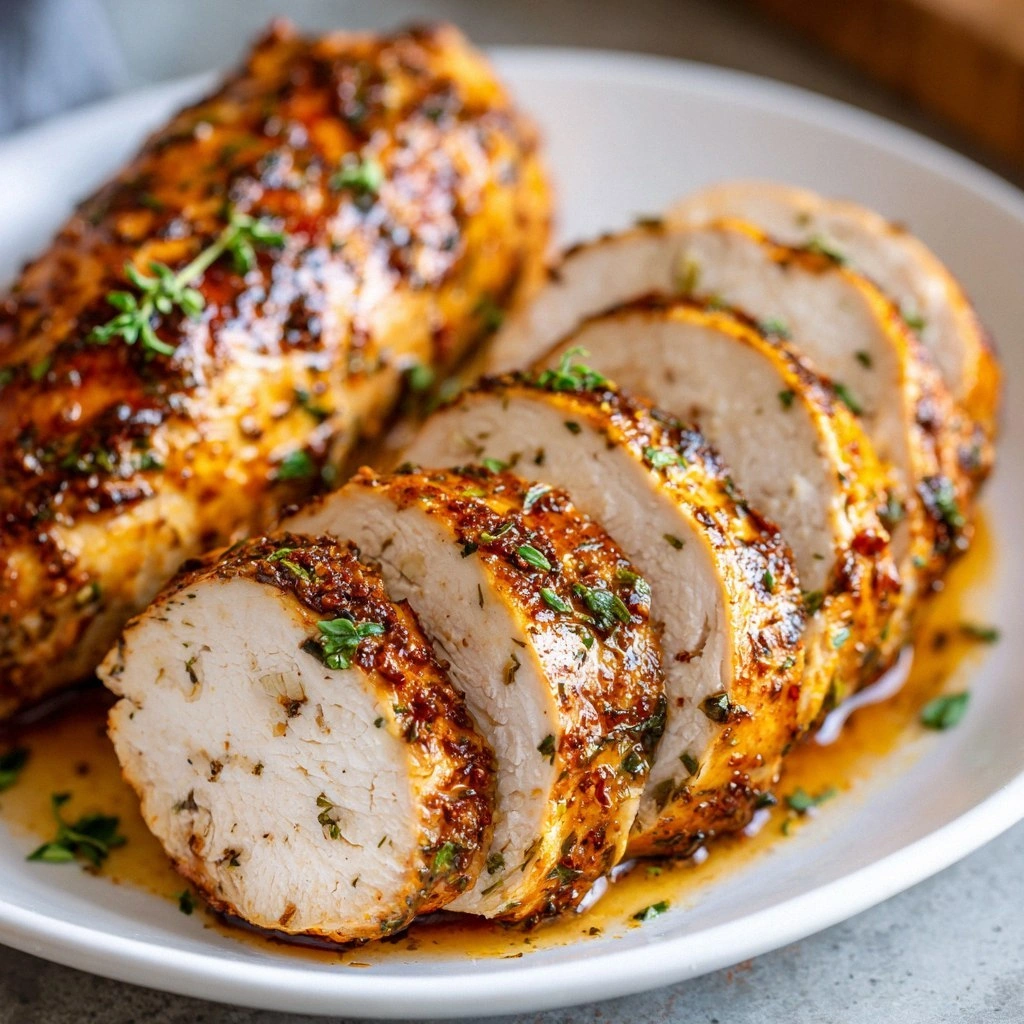
- Once the chicken is cooked through, remove the skillet from the heat and let it rest for a minute. This allows the juices to redistribute, keeping the meat moist. Meanwhile, spoon the cauliflower mash onto a serving platter. Drizzle a little of the remaining sauce over the mash for extra flavor.
- Arrange the chicken on top of the mash, spooning the buttery sauce over the breasts. Sprinkle fresh parsley and a final pinch of cayenne pepper for a pop of color and a subtle heat kick. Serve immediately, and watch your guests’ faces light up with delight.
- That’s it — you did it. But hold on, I've got a few more tricks that'll take this to another level. Keep the sauce warm by covering the skillet loosely with foil, and serve with a side of steamed green beans or a crisp salad for a balanced meal.
Insider Tricks for Flawless Results
The Temperature Rule Nobody Follows
Many cooks underestimate the importance of temperature when searing chicken. The pan must be hot enough to create a crust without burning the exterior. I’ve found that a pre‑heated skillet at 400°F (200°C) is ideal. If the oil starts smoking, lower the heat immediately. A properly seared skin will crackle when you flip it, signaling that it’s ready for the next step.
Why Your Nose Knows Best
The aroma of garlic and butter is a reliable indicator of doneness. When the garlic releases a sweet, nutty scent, it’s time to add the broth. If the smell is sharp or bitter, the garlic has burned. Trusting your nose can prevent a ruined sauce and save you from a bitter taste.
The 5-Minute Rest That Changes Everything
After the chicken finishes cooking, let it rest for at least 5 minutes before slicing. This allows the juices to redistribute, ensuring each bite is juicy rather than dry. If you cut into it immediately, the juices will run out, leaving a dry center.
The Secret of a Silky Mash
Using a food processor instead of a hand masher gives a smoother consistency. Add the milk gradually, and stop when the mash reaches the desired thickness. A slightly under‑melted butter will keep the mash glossy and prevent it from becoming too heavy.
The Final Coat of Butter
Right before serving, drizzle a tablespoon of melted butter over the chicken. This gives the sauce a glossy sheen and a richer flavor. If you prefer a lighter version, replace the butter with a splash of Greek yogurt for a creamy yet tangy finish.
The Power of Fresh Herbs
Fresh parsley not only adds color but also a burst of brightness that cuts through the richness. Chop it finely and sprinkle it over the finished dish. If you’re short on parsley, a pinch of dried dill or chives works as a suitable substitute.
Creative Twists and Variations
This recipe is a playground. Here are some of my favorite ways to switch things up:
Spicy Cajun Chicken
Swap the smoked paprika for Cajun seasoning and add a tablespoon of hot sauce. The result is a fiery version that pairs wonderfully with a cool cucumber salad.
Herb‑Infused Chicken
Replace the parsley with a mix of thyme, rosemary, and basil. The aromatic herbs give the dish a Mediterranean flair, especially when served with crusty bread.
Creamy Mushroom Sauce
Add sliced mushrooms to the skillet after searing the chicken. Sauté until golden, then follow the same sauce steps. The earthy mushroom flavor complements the garlic butter beautifully.
Cauliflower Rice Substitute
For a lighter side, pulse cauliflower florets into rice‑size grains and sauté them with a bit of olive oil. It’s a low‑carb alternative that still delivers that comforting cauliflower flavor.
Cheesy Cauliflower Gratin
Instead of plain mash, bake the cauliflower with a topping of Gruyère cheese until golden. The cheesy crust adds a decadent twist that’s perfect for a special occasion.
Storing and Bringing It Back to Life
Fridge Storage
Store leftovers in an airtight container in the refrigerator for up to 3 days. The sauce may thicken slightly; reheat gently on the stove with a splash of milk to restore its silky texture.
Freezer Friendly
The chicken and sauce can be frozen separately for up to 2 months. Thaw overnight in the fridge and reheat on low heat, adding a little broth if needed to keep it moist.
Best Reheating Method
To bring the dish back to life, reheat the chicken and sauce in a skillet over medium heat. Add a splash of water or broth to loosen the sauce, and finish with a drizzle of butter for that fresh finish.